

Die Entscheidung zwischen einem Strandzelt und einem Sonnenschirm kann für Strandbesucher, die das richtige Gleichgewicht zwischen Schatten, Schutz und Komfort suchen, sehr schwierig sein. Beide bieten unterschiedliche Vor- und Nachteile, und die beste Lösung hängt von der Gruppengröße, den Aufstellvorlieben und der geplanten Aufenthaltsdauer am Strand ab.
In diesem Leitfaden werden die wichtigsten Unterschiede in Bezug auf Abdeckung und Schutz aufgeschlüsselt, Tragbarkeit und Aufbauzeit verglichen und der Wert für Einzelreisende und Familien analysiert. Am Ende werden Sie wissen, welcher Sonnenschirm Ihren Bedürfnissen nach Komfort, Sicherheit und Leichtigkeit am Strand entspricht.
Strandzelt vs. Sonnenschirm: Die Hauptunterschiede
Strandzelte bieten im Vergleich zu Sonnenschirmen deutlich mehr Schatten, eine bessere Windbeständigkeit und einen besseren UV-Schutz und sind daher ideal für Familien oder Gruppen, die den ganzen Tag über Komfort und Sicherheit suchen; Sonnenschirme sind leichter und schneller aufzustellen und eignen sich für Einzelpersonen oder kurze Besuche.
Sowohl Strandzelte als auch Sonnenschirme sind beliebte Beschattungslösungen, aber beide bringen sehr unterschiedliche Stärken für einen kommerziellen Außenbereich mit.
Nachfolgend finden Sie eine Aufschlüsselung der wichtigsten Funktionen, Vorteile und idealen Anwendungsfälle, die B2B-Käufern dabei helfen, die beste Lösung für ihr Unternehmen zu finden.
Vergleich der wichtigsten Merkmale (Tabelle)
| Funktion | Strand-Zelt 🏖️ | Strandschirm ⛱️ |
|---|---|---|
| Erfassungsbereich | Bis zu 12′ x 12′ (passt 4-8 Menschen) ✅ | 6-8 Fuß Durchmesser (1-2 Personen) ❌ |
| UV-Schutz | UPF 50+ (Blöcke 98% UV) ✅. | Unterschiedlich; oft weniger, es sei denn, es liegt ein UPF vor ⚠️ |
| Windwiderstand | Hochgradig windbeständig mit Verankerungen ✅ | Geringer Widerstand, kann leicht wegfliegen ❌ |
| Einrichtungszeit | 5–10 min ⚠️ | 1–2 min 🚀 |
| Gewicht | 7-15 Pfund ⚠️ | 3-6 Pfund ✅ |
| Portabilität | Sperriger; benötigt Tragetasche ⚠️ | Sehr leicht, einfach zu tragen 🚀 |
| Preisspanne | $60-$150+ ⚠️ | $20-$60 ✅ |
| Lebensdauer | 3-5+ Jahre ✅ | 1–2 Jahre ❌ |
| Datenschutz | Geschlossene Seiten ✅ | Offene Gestaltung ❌ |
| Schutz vor Regen | Schützt vor leichtem Regen/Sprühwasser ✅ | Hält nur direkten Regen ab ❌ |
| Eignung der Gruppe | 4-8 Menschen ✅ | 1–2 Menschen ❌ |
Überlegungen und Anwendungsfälle
- 🏖️ Strand Zelte eignen sich für Familien, Gruppen oder gewerbliche Einrichtungen, in denen viel Schatten, Privatsphäre und ein hoher UV-Schutz erforderlich sind.
- ⛱️ Regenschirme eignen sich gut für Einzelanwender, Minimalisten oder Kurzzeitsets, die schnell Beschattung und Tragbarkeit.
- ⚠️ Beach-Zelte benötigen mehr Zeit für den Aufbau und sind sperriger, aber langlebiger 3-5+ Jahre und größere Gruppen zu schützen.
- 💸 Regenschirme sind erschwinglich ($20-$60), die leicht zu tragen sind, aber eine geringere Abdeckung bieten und schneller verschleißen.
- Für B2B-Käufer bieten Zelte eine bessere Rendite durch Langlebigkeit, Sicherheit und Gruppenkomfort, ideal für die Bewirtung oder Vermietung.
- Regenschirme sind eine kostengünstige Alternative für den einmaligen Gebrauch, den schnellen Umschlag oder minimalistische Anforderungen.
Häufige Missverständnisse und Empfehlungen von Experten
- ⚠️ Viele Benutzer glauben fälschlicherweise, dass Regenschirme starkem Wind standhalten oder UV-Strahlung immer abhalten - dies hängt von der korrekten UPF-Zertifizierung ab, und der Wind kann Standardmodelle umwerfen.
- ⚠️ Manche unterschätzen die Zeit, die für den Aufbau eines Zeltes benötigt wird, oder die Tendenz zu einem Hitzestau im Inneren, der empfindliche Gäste beunruhigen kann.
- 💡 Nach unserer Erfahrung, Strandzelte sind ideal für Familien, Kinder oder alle, die einen längeren Aufenthalt planen und einen robusten UV-Schutz benötigen.
- ⏱️ Regenschirme sind die beste Wahl für kurze Strandaufenthalte oder Einzelgäste, die Wert auf Schnelligkeit und Einfachheit legen.
- ✅ Bei B2B-Einkäufen sollten zertifizierte Materialien, bewährte Langlebigkeit, Garantieleistungen und einfache Reinigung im Vordergrund stehen. den langfristigen Wert maximieren.
Welcher Sonnenschirm ist der beste für Familien?
Für Familien bieten Strandzelte in der Regel die beste Lösung für den Sonnenschutz. Sie bieten einen starken UV-Schutz (UPF 50+), größere schattierte Flächen (40-60 sq. ft.), besserer Windwiderstand und höherer Komfort als beim Standard Strandschirme, die eine geringere Reichweite und Stabilität aufweisen.
Die Wahl des richtigen Sonnenschirms kann über den Erfolg oder Misserfolg eines Strandtages mit der Familie entscheiden. Verschiedene Optionen bieten einzigartige Vorteile, aber nicht alle bieten das gleiche Maß an Abdeckung, Schutz und Komfort.
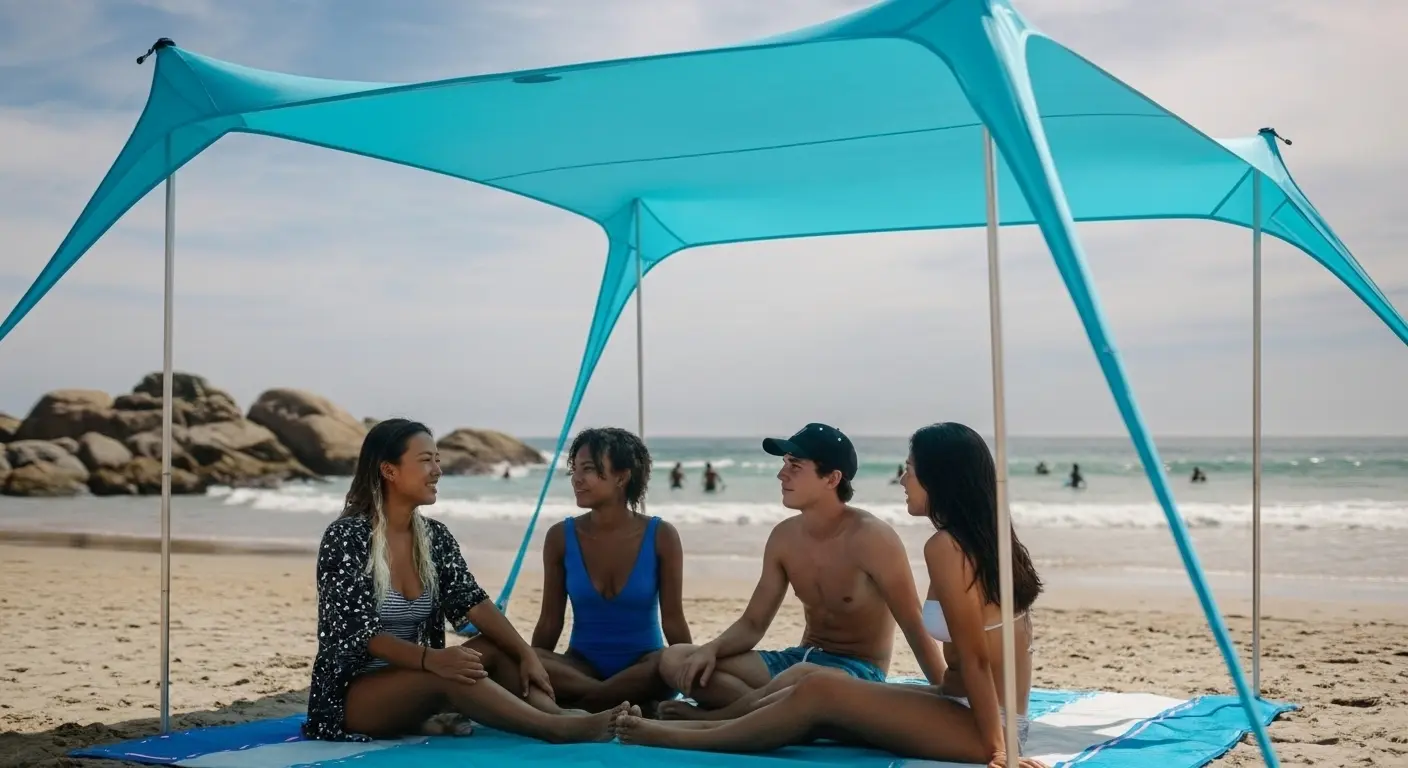
Übersicht über die gängigen Sonnenschirmtypen
- 💡 Sonnenschirme: Leichtgewicht, schnell einsatzbereit, geeignet für 1-3 Personen, mit kleineren Schattenbereichen (~28 sq. ft.).
- ✅ Zelte am Strand: Konzipiert für Familien und Paare, bietet es 40-60 sq. ft. der schattigen Fläche und UPF 50+ Stoff.
- 🚀 Kabinen: Bieten die größte Abdeckung (64-150+ sq. ft.), ideal für große Gruppen und Veranstaltungen, aber weniger mobil.
Hauptmerkmale der Sonnenschutzoptionen im Vergleich
| ☂️ Regenschirm | ⛺ Strand-Zelt | 🏖️ Cabana | |
|---|---|---|---|
| Maximale Gruppengröße | 1-3 | bis zu 4 | 2-10+ |
| Schattenbereich | Unter 30 sq. ft. | 40-60 sq. ft. | 64-150+ sq. ft. |
| UV-Schutz | ⚠️ Fehlt oft UPF 50+ | ✅ Zertifiziert UPF 50+ | ✅ Zertifiziert UPF 50+ |
| Windwiderstand | ❌ Neigung zum Kippen | ✅ Stabil in der Verankerung | ✅ Verstärkte Rahmen |
| Tragbarkeit und Einrichtung | 🚀 Sehr einfach | 💡 5-10 min | ⚠️ 10+ min, schwerer |
| Preisspanne | $30-$60 | $110-$120 | $199+ |
Warum Strandzelte die beste Wahl für Familien sind
- ✅ Gleichmäßiger, ganztägiger Farbton mit ausreichend Platz für Kinder, Ausrüstung und Snacks.
- 💡 UPF 50+ Stoffblöcke bis zu 98% vor schädlichen UV-Strahlen und schützt empfindliche Haut.
- ✅ Stabile Konstruktion und Verankerungsmöglichkeiten bieten mehr Sicherheit bei windigen Bedingungen vs. Regenschirme.
- 💡 Die verbesserte Luftzirkulation hält das Zeltinnere kühler und sorgt für mehr Komfort.
- 🚀 Moderne Pop-up-Zelte lassen sich leicht aufbauen, bieten Sichtschutz und Stauraum und sind für die Bedürfnisse von Familien geeignet.
Häufige Missverständnisse und Empfehlungen von Experten
- ⚠️ Nicht alle Regenschirme bieten einen echten UV-Schutz; achten Sie auf die UPF 50+ Etikett.
- ✅ Moderne Strandzelte sind schnell aufgebaut und benötigen oft nur 5-10 Minuten dank der Pop-up-Mechanismen.
- Regenschirme können bei Wind instabil und gefährlich werden, besonders in der Nähe von Kindern.
- 💡 Unserer Erfahrung nach empfehlen Experten durchweg Zelte für Familien, die auf Sicherheit, Komfort und lang anhaltenden Schatten bei Strandausflügen Wert legen.
Tragbarkeit und Einrichtungszeit
Ein Sonnenschirm ist am leichtesten zu transportieren und kann an jedem Ort aufgestellt werden. 2–5 Minuten von einer Person getragen werden kann, während ein Strandzelt mehr Schutz bietet, aber schwerer und sperriger ist und in der Regel mehr Platz benötigt. 5-10 Minuten oder mehr, und oft sind zwei Personen für den Aufbau erforderlich.
Bei der Wahl zwischen einem Sonnenschirm und einem Strandzelt sind Tragbarkeit und Aufbau die Zeit ist oft der entscheidende Faktor für Käufer. Unserer Erfahrung nach schätzen Familien, Paare und Alleinreisende alle den Schatten, aber ihre Prioritäten unterscheiden sich, wenn es um Komfort und Platz geht.
Vergleich von Gewicht, Tragbarkeit und Einrichtungszeit
| Strandschirm | Strand-Zelt | |
|---|---|---|
| Gewicht | ✅ 2-4 Pfund | ❌ 5-8 Pfund |
| Einrichtungszeit | 🚀 2-5 min (1 Person) | ⚠️ 5-10+ min (oft werden 2 Personen benötigt) |
| Portabilität | ✅ Kompakt, passt in die meisten Kofferräume | ❌ sperrig, benötigt möglicherweise eine Tragetasche/einen Wagen |
Sonnenschirme lassen sich leichter transportieren und aufbewahren und sind daher ideal für spontane Ausflüge oder für Personen mit begrenztem Platzangebot. Strandzelte bieten zwar mehr Schutz, erfordern aber mehr Planung für Transport und Aufbau.
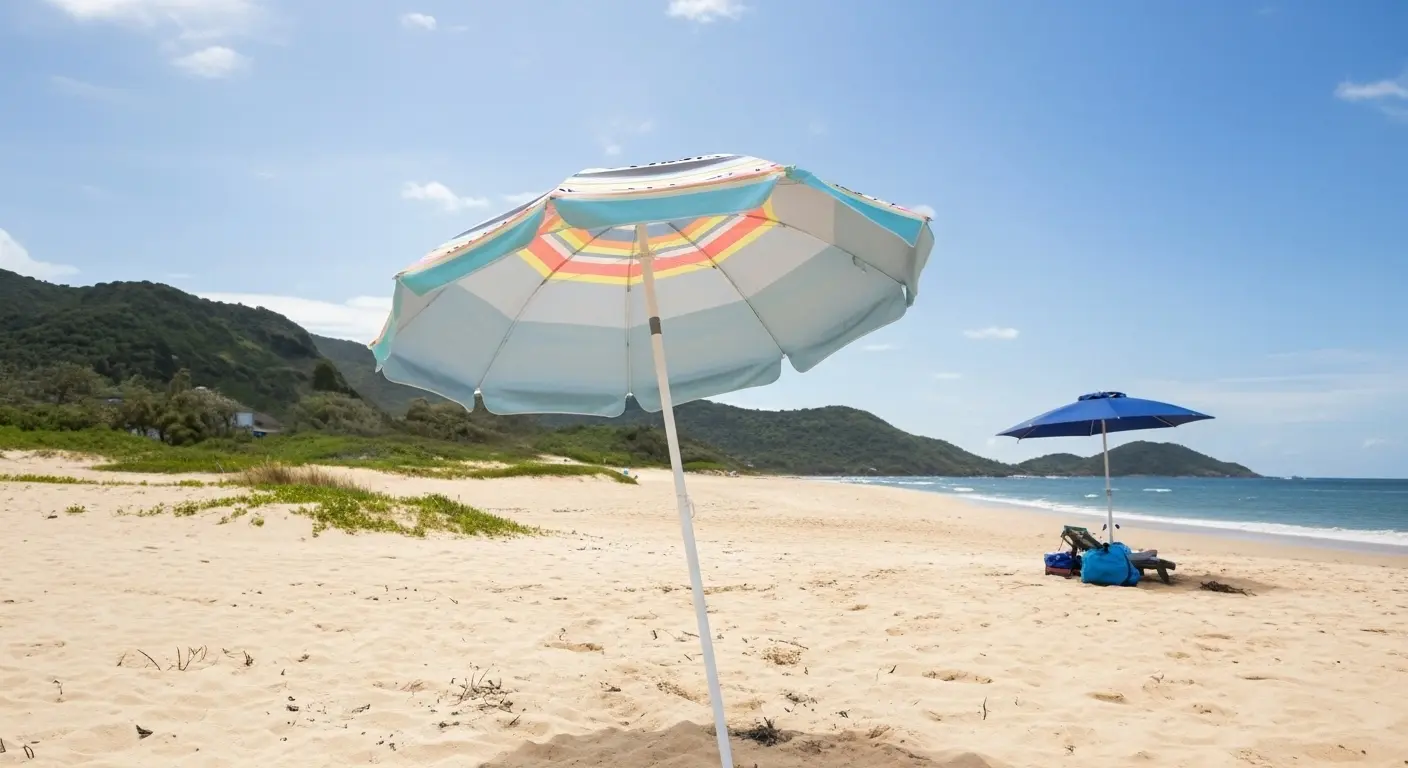
Komplexität der Montage und Eignung für Gruppen
- ✅ Regenschirm: Mit einer einzigen Stange, die in den Sand gesteckt wird, ist eine einfache und schnelle Montage möglich.
- ❌ Zelt: Dazu gehören mehrere Stangen oder ein Pop-up-Gestell sowie eine Verankerung mit Sandsäcken oder Pflöcken.
- ✅ Regenschirm: Am besten für 1-3 Personen und schnellen Schatten.
- ✅ Zelt: Kann decken bis zu 4 Personen und liefert mehr schattige Bereiche.
- ⚠️ Pop-up-Zelte: Der Aufbau geht schneller als bei herkömmlichen Zelten, ist aber immer noch nicht so einfach wie bei Schirmen und erfordert Übung.
Der einfache Aufbau ist vor allem für Alleinreisende wichtig. Unserer Erfahrung nach bevorzugen Familien Zelte wegen des zusätzlichen Schattens und Windschutzes, auch wenn der Aufbau Teamwork erfordert.
Kritische Sichtweise auf Benutzerfreundlichkeit und Kompromisse
Bei der Wahl zwischen einem Strandzelt und einem Sonnenschirm muss man zwischen Schutz und Komfort abwägen. Zelte bieten einen besseren Schutz vor Sonne und Wind, sind aber schwerer und langsamer aufzustellen.
- ⚠️ Pop-up-Zelte lassen sich schneller aufbauen als herkömmliche Zelte, sind aber immer noch sperriger und schwerer als Regenschirme.
- 💡 Sonnenschirme eignen sich am besten für diejenigen, die Wert auf Schnelligkeit und Mobilität legen, also für Alleinreisende oder Tagesausflügler.
- ✅ Zelte eignen sich für Familien oder Gruppen, die trotz des zusätzlichen Aufwands für den Aufbau mehr Schatten oder Privatsphäre wünschen.
Das Wissen um diese Kompromisse hilft den Käufern bei der Auswahl des Sonnenschirms, der zu ihrem Strandstil und ihrer Gruppengröße passt.
Verbessern Sie Ihr Outdoor-Geschäft mit langlebigen, anpassbaren Beschattungslösungen
Partner direkt mit Patiofurnituresco für Werksqualität Werbe-Regenschirme für eine Lebensdauer von mehr als 5 Jahren entwickelt. Voll genießen OEM/ODM-Anpassung, niedrige Mindestbestellmengen und eine globale Logistik, um Ihre Outdoor-Projekte schneller und intelligenter zu starten.

Schutz vor Sonne und Wind
Strandzelte bieten im Vergleich zu Sonnenschirmen einen deutlich besseren Schutz vor Sonne und Wind und bieten UPF 50+ Sie decken eine größere Fläche ab und sind besonders windbeständig, was sie zur bevorzugten Wahl für Familien und längere Strandausflüge macht.
Bei der Evaluierung Strandzelt vs. Sonnenschirm Lösungen für die gewerbliche und familiäre Nutzung zu finden, ist es wichtig, auf das Schutzniveau, die Stabilität, die einfache Einrichtung und den langfristigen Wert zu achten. Unserer Erfahrung nach spielt jeder Faktor eine wichtige Rolle für B2B-Käufer im Gastgewerbe oder im Vermietungssektor.
Vergleich von UV-Schutz und Erfassungsbereich
| Produkt | UV-Schutz | Erfassungsbereich |
|---|---|---|
| 🏖️ Strand-Zelt | ✅ UPF 50+ Blöcke bis zu 98% UV-Strahlen | ✅ 40-60 sq ft (Standard) 🚀 Über 150 sq ft (Premium-Kabinen) |
| 🌂 Strandregenschirm | ⚠️ In der Regel weniger als UPF 50+ Der Schutz variiert, wenn der UPF nicht spezifiziert ist. | ❌ 28-64 sq ft (Durchmesser 6-9 Fuß) |
Strandzelte bieten durchweg einen höheren UV-Schutz und einen größeren Schattenbereich, so dass sie sich für gewerbliche Objekte eignen, die einen breiten, zuverlässigen Schutz benötigen. Sonnenschirme bieten oft einen unvorhersehbaren Schutz, wenn der UPF-Wert unklar ist.
Windwiderstand und Stabilitätsmerkmale
- 🏖️ Strand Zelte: Entworfen mit Anker, Pfähle, und Abspannleinen um die Struktur zu sichern und die Stabilität zu erhalten, auch bei starkem Wind. ✅
- 🌂 Strandschirme: Anfällig für Kippen, Umdrehen von innen nach außen, oder wegblasend, auch mit Sandankern. ⚠️ Dies birgt Sicherheitsrisiken, insbesondere bei moderaten Windverhältnisse.
Unserer Erfahrung nach sind Zelte die bessere Lösung, wenn konstante Windbeständigkeit und Sicherheit erforderlich sind, wie z. B. in Ferienanlagen und bei Veranstaltungen am Strand.
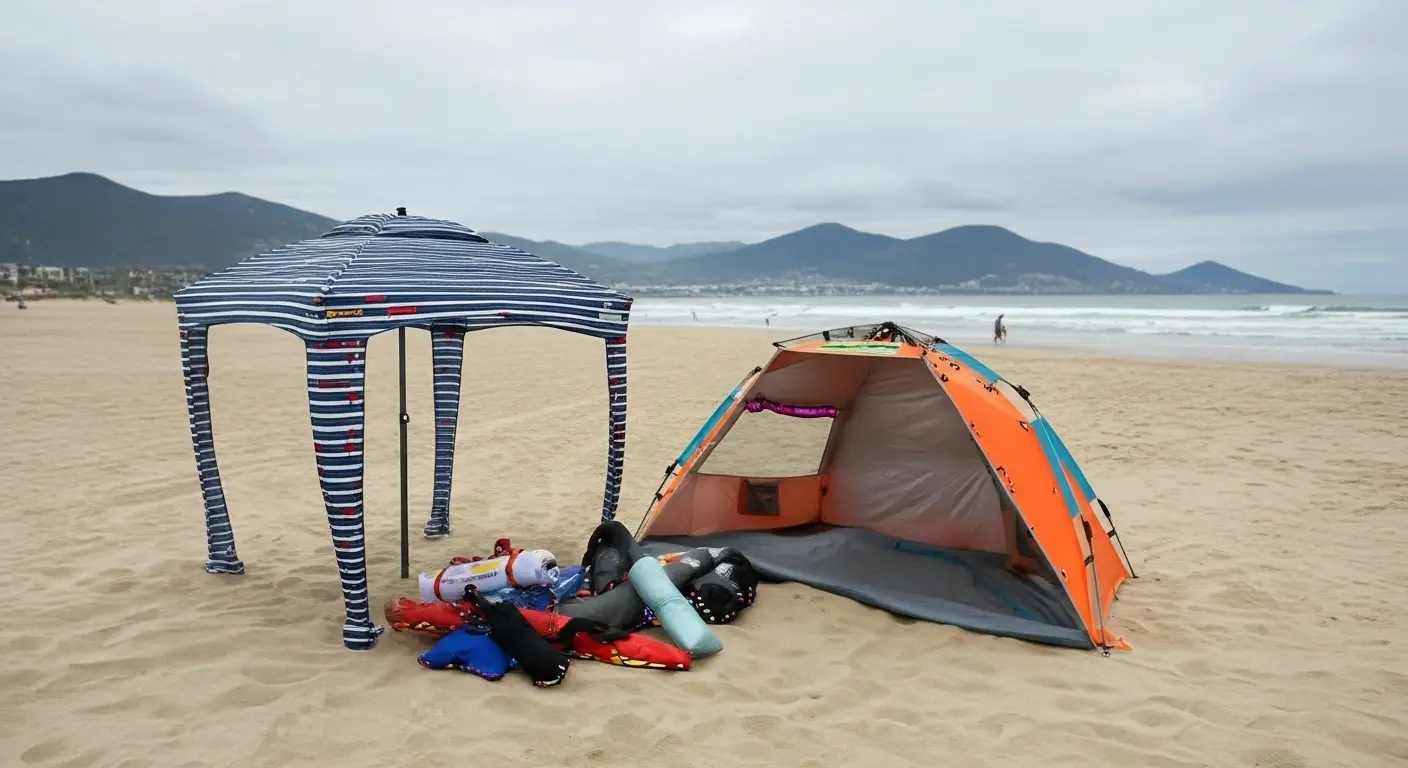
Einrichtung, Übertragbarkeit und zusätzliche Vorteile
| Produkt | Gewicht & Einrichtung | Tragbarkeit und Verwendung | Datenschutz | Preis |
|---|---|---|---|---|
| 🏖️ Strand-Zelt | ✅ ~15 lbs 🚀 Bläst sich auf ~30 Sekunden | ✅ Schnelles Aufstellen und Verpacken | ✅ Seitenwände und Wände als Sichtschutz | 💡 $110-199+ |
| 🌂 Strandregenschirm | ✅ Feuerzeug ⚠️ Umständlich zu tragen | ❌ Erfordert Aushub und sorgfältige Verankerung | ❌ Keine Datenschutzfunktionen | 💡 $30-60 |
Zelte sind schwerer, aber für ein schnelles Aufblasen ausgelegt, während Regenschirme zwar leichter, aber oft umständlicher zu transportieren und aufzustellen sind - vor allem, wenn der Wind zunimmt.
Kritische Betrachtung von Nutzung und Missverständnissen
- ⚠️ Viele Nutzer unterschätzen den Wert von Regenschirmen’ begrenzter UV-Schutz und ihre Anfälligkeit für starken Wind.
- ⚠️ Nur Regenschirme mit der Aufschrift UPF 50+ einen hohen UV-Schutz bieten - die meisten erfüllen diesen Standard nicht.
- 🌂 Sonnenschirme für Alleinreisende oder Kurzbesucher am Strand wo minimale Ausrüstung bevorzugt wird, aber es fehlt ihnen an Privatsphäre und sie haben mit dem Wind zu kämpfen.
- 🏖️ Strandzelte sind ideal für Familien, Gruppen, Vermietungen und Gaststättenbetriebe die den Komfort der Gäste und die ganztägige Abdeckung in den Vordergrund stellen.
- 💡 Die höhere Anfangskosten der Zelte wird durch ihre Langlebigkeit, ihre breite Abdeckung und ihre langfristige Rentabilität bei häufiger oder gewerblicher Nutzung ausgeglichen.
Langlebigkeit und Materialqualität
Strandzelte bieten in der Regel eine längere Lebensdauer und eine bessere Materialqualität als Sonnenschirme. Sie sind mit dicken, UV-beständigen Stoffen und rostfreien, flexiblen Gestellen ausgestattet, die den rauen Bedingungen an der Küste standhalten.
Bei der Abwägung einer Strandzelt vs. Sonnenschirm, Die meisten Käufer konzentrieren sich darauf, wie beide Optionen unter realen Bedingungen funktionieren. Materialauswahl und Konstruktionsmethoden haben großen Einfluss auf die Lebensdauer des Produkts und die Sicherheit an der Küste.
Vergleich der Materialqualität
| Strandschirm | Strand-Zelt | |
|---|---|---|
| Stoff | ❌ Dünnes, einlagiges Polyester ❌ 220 g kommerzielles Gewebe ⚠️ Verblasst und reißt nach einem Sommer | ✅ Hochwertige Spandex/Nylon-Mischungen ✅ Dicker, verstärkt, UPF 50+ bewertet (Blöcke bis zu 98% von UV) |
| Stangen/Rahmen | ❌ Kunststoff oder dünnes Metall (1,5 mm Aluminium) ⚠️ Rost- und Bruchgefahr ✅ Premium verwendet pulverbeschichtete Rahmen | ✅ Aluminium in Flugzeugqualität ✅ Rostfrei, dick, flexibel ✅ Entwickelt, um starken Winden zu widerstehen |
Unsere Erfahrung hat gezeigt, dass Zelte aus hochwertigen Materialien bei wiederholtem Einsatz im gewerblichen oder privaten Bereich besser funktionieren. Schirme sind zwar tragbar, zeigen aber unter rauen Bedingungen schnell Verschleißerscheinungen.
Langlebigkeit und Nutzungsdauer
- ✅ Günstige Regenschirme halten 1–2 Jahreszeiten; Premium-Modelle bis zu 3-6 bei sorgfältiger Anwendung
- ✅ Strandzelte mit Doppelnähten, Ripstop-Gewebe und UV-beständigen Farbstoffen für lange Lebensdauer
- ⚠️ Zelte müssen ordnungsgemäß getrocknet und gepflegt werden, um Schimmel zu vermeiden (vor allem unter feuchten Bedingungen).
- ✅ Trotz Leichtbauweise bieten die Zelte robuste Windbeständigkeit und Korrosionsschutz, die es bei Regenschirmen nicht gibt
Langlebige Zelte können jahrelang genutzt werden, vorausgesetzt, sie werden nach den Reisen ordnungsgemäß gereinigt und gewartet. Bei Regenschirmen ist die Lebensdauer aufgrund der empfindlicheren Komponenten selbst bei hochwertigen Modellen deutlich kürzer.
Vorteile einer qualitativ hochwertigen Konstruktion
- ✅ UPF 50+ Gewebe in Zelten bieten einen besseren Sonnenschutz als die meisten Regenschirme (98% UV-Block)
- ✅ Rostfreie Rahmen in Flugzeugqualität sorgen dafür, dass die Zelte auch bei starkem Wind sicher stehen
- ✅ Verstärkte Nähte und Ripstop-Gewebe verringern das Risiko von Rissen, Einschnitten oder Dehnungen (geringerer Wartungsbedarf)
- 💡 Besser geeignet für häufige Strandbenutzer, gewerbliche Vermietungen und Familien, die in langfristigen Outdoor-Komfort investieren
Kritischer Blick auf die Wahl der Dauerhaftigkeit
- ⚠️ Zelte haben eine hohe Haltbarkeit und UV-Sicherheit, bestehen aber aus synthetischen, nicht biologisch abbaubaren Stoffen - die Pflege ist der Schlüssel zur Verlängerung der Produktlebensdauer und zur Vermeidung von Schimmelbildung
- Regenschirme sind praktisch für diejenigen, die Wert auf Tragbarkeit und niedrige Anschaffungskosten legen (insbesondere Gelegenheitsnutzer oder Alleinreisende).
- 💡 Premium Schirme mit pulverbeschichteten Gestellen bieten eine bessere, aber immer noch begrenzte Langlebigkeit im Vergleich zu Zelten
- Die Entscheidung zwischen einem Zelt und einem Regenschirm hängt von der Häufigkeit der Nutzung, den zu erwartenden Wetterextremen und davon ab, ob die Haltbarkeit oder die Bequemlichkeit Vorrang hat.
Beide Optionen erfüllen unterschiedliche Bedürfnisse. Unserer Erfahrung nach eignen sich Strandzelte am besten für anspruchsvolle oder kommerzielle Zwecke, während Regenschirme eignen sich gut für Reisende, die schnell Schatten suchen und den einfachsten Transport.
Preisvergleich und Wert
Die Preise für Sonnenschirme liegen im Allgemeinen zwischen $30 und $160, und spendet Schatten für 1-3 Menschen und einen grundlegenden UV-Schutz. Strand Zelte Kosten $110-$130, bieten Versicherungsschutz für bis zu 4 Menschen, stärkerer UV-Schutz (UPF 50+), bessere Haltbarkeit und teilweiser Regenschutz, was die Zelte zu einem besseren Preis-Leistungs-Verhältnis für Familien und häufige Strandbesucher macht.
Bei der Wahl zwischen einem Sonnenschirm und einem Strandzelt ist nicht nur der Preis entscheidend. Jedes Design bietet unterschiedliche Vorteile in Bezug auf Abdeckung, Schutz und Gesamterlebnis.
Vergleich der wichtigsten Preise und Funktionen
| Funktion | ☂️ Strandregenschirm | ⛺ Strand-Zelt |
|---|---|---|
| Typische Preisspanne | $30-$160 | $110-$130 |
| Erfassungsbereich | 28 sq ft (1-3 Menschen) | 40-60 sq ft (bis zu 4 Menschen) |
| UV-Schutz | Einige UPF 50+ oder nicht spezifiziert | Normalerweise UPF 50+; Blöcke 98% UV |
| Gewicht | 1,8-9 Pfund | 4-7,3 Pfund |
| Haltbarkeit | Geringere Lebenserwartung ⚠️ Jährliche Erneuerung üblich | Die letzten Jahre ✅ |
| Komplexität der Einrichtung | Einfach und schnell ✅ | Moderate Einrichtung und Verankerung ⚠️ |
| Portabilität | Sehr tragbar ✅ | Tragbar, aber voluminöser ⚠️ |
| Schutz vor Regen | Nur Overhead ⚠️ | Teilweiser Seitenschutz ✅ |
| Bester Anwendungsfall | Solo/Kurzreisen | Familie/Gruppe, ganztägige Nutzung |
Kritische Sichtweise auf Wert und Nutzung
Unserer Erfahrung nach sind Regenschirme kostengünstig und lassen sich schnell zusammenpacken, aber ihr Schutz und ihr UV-Schutz sind begrenzt. Das macht sie zu einer soliden Option für Reisende mit leichtem Gepäck oder für kurze Ausflüge an die Küste.
- ✅ Regenschirme eignen sich für Alleinreisende oder Kurzausflüge, da sie leicht zu transportieren und preisgünstig sind ($30-$160).
- ⚠️ Wegen ihrer geringeren Haltbarkeit müssen sie in der Regel jede Saison ausgetauscht werden.
- ✅ Zelte mehr Platz bieten (40-60 sq ft), stärkerer UV-Schutz (UPF 50+), und halten Sie alle Personen im Schatten oder vor Wind und leichtem Regen geschützt.
- 💡 Vielnutzer oder Familien profitieren von Zelten, da diese mehrere Jahre halten, was zu langfristigen Einsparungen und höherem Komfort führt.
Experten raten, sich Gedanken über die GesamtbetriebskostenSchirme: Schirme eignen sich für diejenigen, die Wert auf Tragbarkeit und geringe Ausgaben legen. Zelte eignen sich besser für Familien oder diejenigen, die bei langen Strandtagen Wert auf Komfort, Sonnenschutz und Gruppenbedarf legen.
Ideale Anwendungsfälle für Solo-Strandbesucher
Für Alleinreisende am Strand sind Sonnenschirme die beste Wahl, da sie leicht sind, schnell aufgebaut werden können und sich für kurze Strandbesuche eignen. Sie bieten eine hervorragende Tragbarkeit und Luftzirkulation und sind damit ideal für Alleinreisende, die Bequemlichkeit und Einfachheit einer längeren Abdeckung vorziehen.
Viele alleinreisende Strandbesucher wünschen sich einen Sonnenschutz, der schnell aufzustellen und leicht zu transportieren ist und sich in eine einfache Strandroutine einfügt. Sowohl Strand Regenschirme und Zelte haben für verschiedene Szenarien Vorteile, aber Regenschirme sind in der Regel bequemer und eignen sich für kurze Besuche und kleines Packmaß.
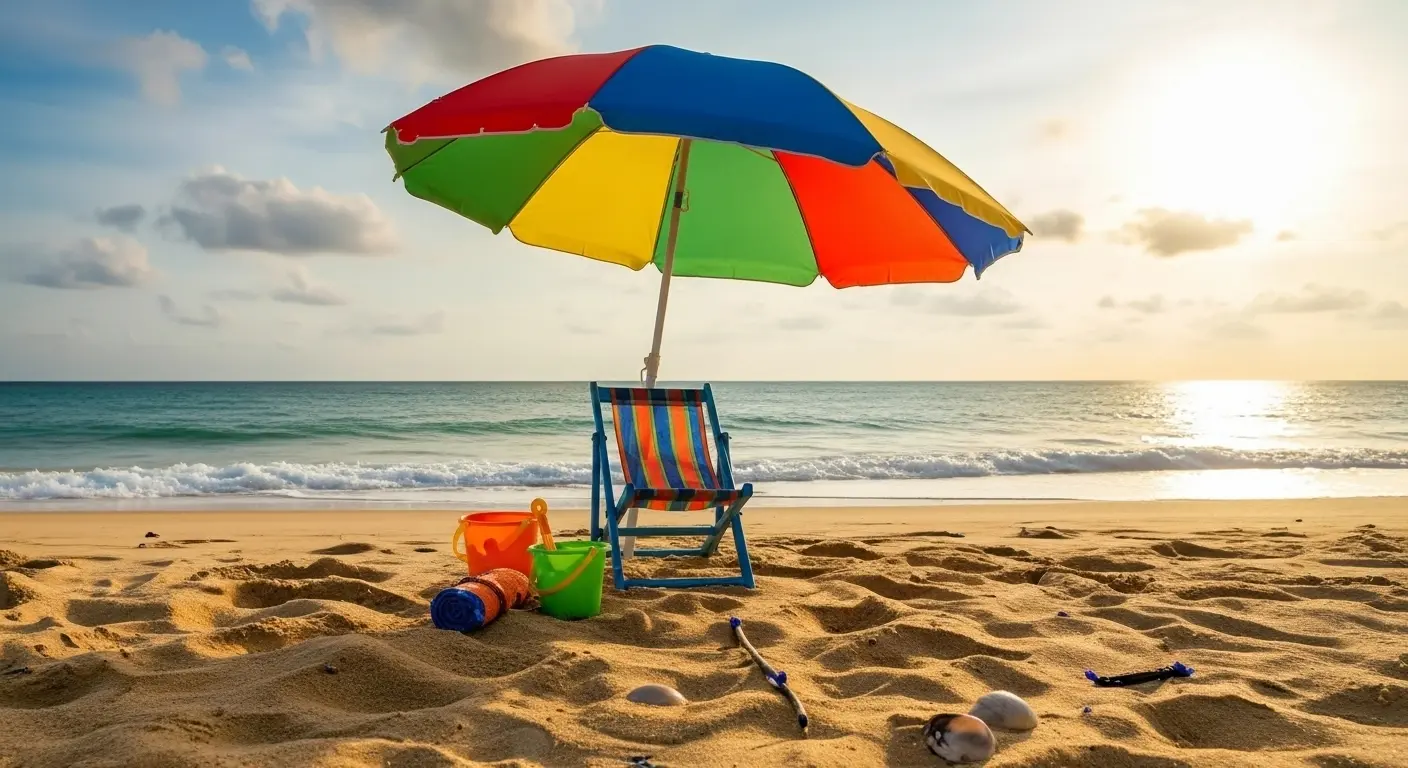
Vergleich von Sonnenschirmen und Zelten für die Alleinbenutzung
| Kriterien | Strandschirm | Strand-Zelt |
|---|---|---|
| Gewicht | ✅ 4-6 Pfund (Ultraleichtgewicht) | ❌ 15 Pfund (mehr zu tragen) |
| Einrichtungszeit | 🚀 Unter 1 Minute | 🚀 30 Sekunden zum Aufblasen, aber mit zusätzlichen Schritten |
| Portabilität | ✅ Faltet sich zu 1-2 Zoll Durchmesser | ❌ sperrig, benötigt Tragetasche |
| Ideale Verwendungsdauer | 💡 1-2 Stunden (kurze Besuche) | 💡 Ganztägige/verlängerte Aufenthalte |
| Preis | ✅ Geringere Kosten (budgetfreundlich) | ❌ In der Regel höher |
| Luftstrom und Kühlung | ✅ Bester Luftstrom (offene Bauweise) | 💡 Kühler, aber geschlossen |
| Windstabilität | ⚠️ Kann bei böigem Wind kippen | ✅ Stärkere Verankerung |
Unserer Erfahrung nach entscheiden sich Alleinreisende aus Gründen der Schnelligkeit und Tragbarkeit immer wieder für Regenschirme, vor allem, wenn es auf das Gewicht und die Einfachheit des Aufbaus ankommt.
Ideale Szenarien für alleinreisende Strandbesucher mit Regenschirmen
- 🚀 Frühmorgendliche Schwimmer und schnelle Tauchgänge: Mit Regenschirmen kann man ohne Verzögerung Schatten finden, ideal für kurze Stopps oder Badeausflüge.
- ✅ Leichtreisende und preisbewusste Besucher: Sparen Sie Platz beim Packen und senken Sie die Kosten mit einem kompakten Regenschirm, der in die meisten Gepäckstücke passt und flugtauglich ist.
- 💡 Flexible, spontane Strandtage: Einfaches Einstellen oder Umstellen Ihrer Regenschirm, während sich die Sonne ungebrochen bewegt ein volles Zelt abbauen, um Abreisen in letzter Minute und häufige Umzüge zu ermöglichen.
Kritische Überlegungen zur alleinigen Strandnutzung
- ⚠️ Anfälligkeit für Wind: Regenschirme können bei starkem Wind leicht umkippen, vor allem, wenn man allein ist und keine zusätzlichen Hände hat, um sie zu sichern.
- ⚠️ Eingeschränkter Regenschutz: Ein Regenschirm schützt Sie nicht vor seitlichem Regen oder Stürmen, während Zelte bei schlechtem Wetter mehr Schutz bieten.
- 💡 Kompromisse bei der Bequemlichkeit: Zelte können aufgrund der geringeren Luftzirkulation stickig sein, aber Regenschirme bieten keine Privatsphäre. Überlegen Sie, was für Ihre Solo-Reise wichtiger ist.
Für Solo-Strandausflüge, bei denen es auf Flexibilität, Kosten und einen schnellen, leichten Aufbau ankommt, sind Sonnenschirme eindeutig im Vorteil - man muss nur die Wetterbedingungen und die persönlichen Komfortbedürfnisse im Auge behalten.
Tipps zur Pflege und Lagerung
Strandzelte erfordern aufgrund ihrer Größe, der vielen Komponenten und der Stoffkonstruktion eine sorgfältigere Wartung und Lagerung als Sonnenschirme. Bei richtiger Pflege - einschließlich gründlichem Trocknen, Entfernen von Sand und sicherem Verpacken - können sie jedoch mehrere Jahre lang halten und bieten beständigen Sonnenschutz. Regenschirme sind einfacher zu pflegen, aber sie sind anfälliger für Windschäden und müssen oft häufiger Ersatz aufgrund von Abnutzung und Verschleiß.
Wenn Sie wissen, wie Sie Ihren Sonnenschirm pflegen müssen, verlängert sich nicht nur seine Lebensdauer, sondern Ihre Investition bleibt auch funktionell und sieht gut aus. Sowohl Strandzelte als auch Sonnenschirme profitieren von regelmäßiger Reinigung, richtigem Trocknen und richtiger Lagerung.
Wichtige Wartungs- und Speicherdaten
| Spezifikation | Strand-Zelt | Strandschirm |
|---|---|---|
| Lebensdauer | ✅ 3–5 Jahre (bei entsprechender Sorgfalt) | ⚠️ 1-2 Saisons, oft jährlich ersetzt |
| Gewicht | ❌ 15 Pfund (ca.) | ✅ 4-7 Pfund |
| Einrichten/Abpacken Zeit | 🚀 2-5 min. (Aufblasbar: 30 Sek.) | ✅ 1-2 min. |
| Speichergröße | ❌ Tragetasche 24-36 Zoll. lang | ✅ Gefaltete Länge 40-48 Zoll. |
| Reinigungshäufigkeit | ⚠️ Nach jedem Gebrauch gründliche Sandentfernung, Stoffpflege | ✅ Nach jedem Gebrauch - einfachere Reinigung |
| Anforderungen an die Trocknung | ⚠️ Muss vollständig an der Luft trocknen, um Schimmel zu vermeiden. | ✅ Sollte trocken sein; weniger anfällig für Schimmel |
| Wiederbeschaffungskosten | 💡 $110-$120 | 💡 $30-$60 |
| Wichtigste Schritte bei der Wartung |
| |
Detaillierte Pflegeroutine für Strandzelte und Sonnenschirme
- ✅ Den Sand ausschütteln nach jedem Gebrauch, um Abrieb und Verstopfung zu vermeiden.
- ✅ Stoff und Stangen ausspülen mit Süßwasser, um Salz, Sand und Ablagerungen zu entfernen.
- ⚠️ Jedes Teil an der Luft trocknen vollständig zu reinigen, insbesondere Zelte, um Schimmel und Stoffschäden zu vermeiden.
- ✅ Masten und Verankerungen inspizieren häufig auf Korrosion, Verbiegung oder Beschädigung.
- 💡 Kleine Risse flicken um den UV-Schutz aufrechtzuerhalten und weiteren Verschleiß zu verhindern.
- ✅ Faltbare oder rollbare Zelte wie vom Hersteller für die Lagerung in Tragetaschen empfohlen.
- ✅ An einem kühlen, trockenen Ort aufbewahren vor direkter Sonneneinstrahlung schützen, um Ausbleichen und Materialermüdung zu vermeiden.
- ⚠️ Niemals in feuchtem Zustand lagern um Schimmel- und Rostprobleme zu vermeiden.
Häufige Missverständnisse und praktische Einblicke
- 💡 Im Gegensatz zu dem, was viele denken, machen schnell faltbare Rahmen und leicht zu reinigende Stoffe bei neuen Strandzelten die Pflege einfacher.
- ✅ Die regelmäßige Pflege dauert nur wenige Minuten nach jedem Strandtag und verlängert die Nutzungsdauer und den Schutz.
- ⚠️ Schirme sind einfacher zu warten, aber sie sind anfälliger für Windschäden und müssen häufiger ersetzt werden.
- Bei beiden Produkten ist es wichtig, sie richtig zu lagern und vollständig zu trocknen, um Schimmel, Rost und frühzeitigen Produktausfall zu vermeiden.
- ✅ Eine kleine Investition in die Wartung kann die Lebensdauer und Leistung Ihres Sonnenschutzes verlängern.
- 💡 Familien und regelmäßige Strandbesucher sollten die Pflege nach dem Strandbesuch in ihre Routine einbeziehen, um ihre Investition zu schützen.
Häufig gestellte Fragen
Was ist bei starkem Wind besser: ein Zelt oder ein Regenschirm?
Unserer Erfahrung nach kommen Strandzelte im Allgemeinen besser mit starkem Wind zurecht als Sonnenschirme. Zelte haben ein niedrigeres Profil und sichere Verankerungspunkte, was die Stabilität gegen Böen erhöht.
Die meisten Strandzelte halten Windstärken bis zu 25–30 mph, aber auch handelsübliche Regenschirme müssen möglicherweise geschlossen werden bei starkem Wind, um Brüche zu vermeiden. Prüfen Sie immer die Windstärke Ihres spezifischen Produkts vor der Verwendung.
Kann eine Person allein ein Strandzelt aufstellen?
Ja, viele moderne Strandzelte sind für den alleinigen Aufbau konzipiert. Achten Sie auf Pop-up- oder vormontierte Rahmenmodelle, die oft weniger als 5 Minuten zu montieren.
Schwerere und größere Zelte erfordern möglicherweise immer noch zwei Personen, insbesondere bei Wind, um das Zelt während des Aufbaus stabil zu halten.
Wird es in Strandzelten zu heiß?
Strandzelte können sich im Inneren aufheizen, besonders bei direkter Sonneneinstrahlung. Belüftungspaneele und Mesh-Fenster helfen, die Wärme abzuleiten und die Luftzirkulation zu verbessern.
Wählen Sie Zelte mit hellem oder reflektierendem Stoff und zu öffnenden Seiten, um einen übermäßigen Hitzestau zu vermeiden. Einige Modelle reduzieren die Innentemperatur um 5-10°F im Vergleich zur Außenwelt.
Was ist tragbarer, ein Zelt oder ein Regenschirm?
Regenschirme sind in der Regel tragbarer als Strandzelte. Die meisten Standard-Sonnenschirme wiegen unter 5 Pfund und kollabieren zu einem 3-4 Fuß Länge.
Die Basiszelte reichen von 5-12 Pfund und benötigen oft eine Tragetasche. Wenn Sie Wert auf Tragbarkeit legen, ist ein kompakter Regenschirm leichter zu transportieren.
Welcher bietet einen besseren UV-Schutz?
Sowohl Strandzelte als auch Sonnenschirme können einen hohen UV-Schutz bieten, aber es kommt auf den Stoff und das Design an. Achten Sie auf Artikel mit der Kennzeichnung UPF 50+, die mindestens die 98% von UV-Strahlen.
Geschlossene Zelte bieten oft einen breiteren Schattenbereich und blockieren die vom Sand reflektierten Strahlen, während Sonnenschirme gezielten Schatten über dem Kopf spenden. Für ganztägigen Sonnenschutz ist ein Zelt mit UV-blockierendem Material oft die sicherere Wahl.



 English
  Spanish
  French
  German
  Portuguese