


Verifying a “factory” in China has become a critical step for buyers in the outdoor furniture and umbrella industry. Many suppliers present polished photos, certificates, and showrooms, yet operate as trading companies with little real control over production and quality. Without a clear verification process, buyers take on hidden risks in lead time, consistency, and compliance.
This article, “Factory vs. Trader: The ‘Real Factory’ Verification Test,” gives buyers a practical framework to separate real manufacturers from trading fronts by checking photo authenticity, business licenses, ISO 9001 certificates, export records, factory scale, showroom investment, and technical knowledge on the shop floor. It is written for importers, brands, and project buyers who need a repeatable checklist before committing to large orders or long-term partnerships.
The “Photo Trap”: Identifying Stock Images vs. Real Production
The “Photo Trap” is a common deception where suppliers use generic stock images to fake their manufacturing capabilities. To avoid this, buyers should analyze photos for unique, verifiable details, check for contextual red flags, use reverse image searches, and request live video tours to confirm authenticity.
Why Suppliers Use Stock Photos to Misrepresent Operations
The “Photo Trap” is a common tactic where suppliers use generic stock images of factories, machinery, or products to fake their operational capabilities.
This deception aims to attract buyers by creating a false impression of a large, professional, and well-equipped manufacturing facility, hiding their actual status as a small workshop or trading company.
Techniques for Spotting Fakes and Verifying Authenticity
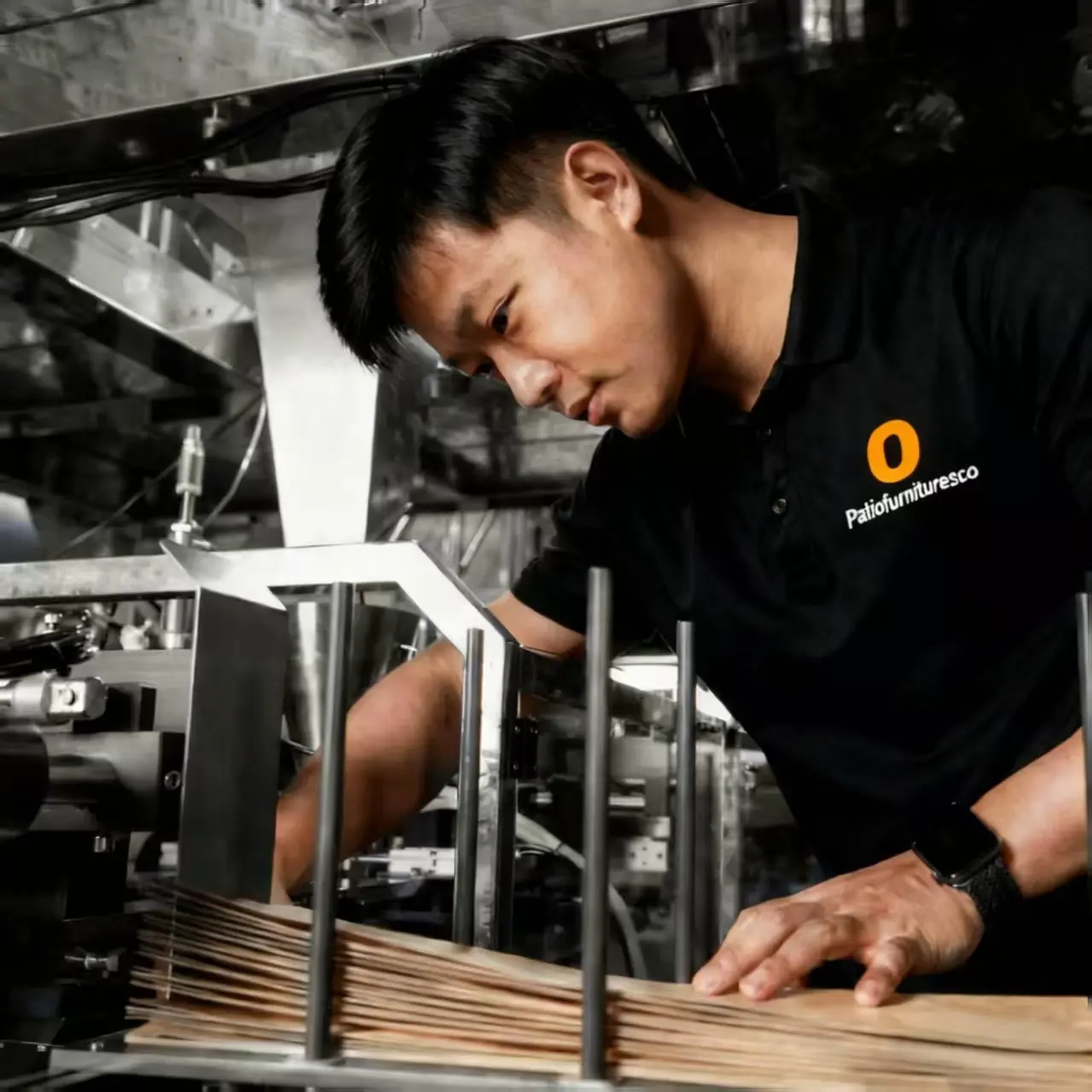
Look for unique details that generic images lack, such as company logos on employee uniforms, custom safety signage with the supplier’s Chinese name, or specific product samples.
Analyze photos for contextual red flags. Real factories often have some dust or oil stains, unlike unnaturally clean stock photos. Also check for generic watermarks or workers not wearing appropriate Personal Protective Equipment (PPE).
Use Google Reverse Image Search to check if a photo appears on stock image websites. A match confirms the image is not from the supplier’s own facility.
Request a live video tour via WeChat or Zoom to see machinery operating and workers in motion. This provides dynamic proof that is much harder to fake than static images.
Analyzing the Business License: “Manufacturing” vs. “Wholesale”
A supplier’s business license is a critical document for verification. The “business scope” section clearly defines whether you are dealing with a manufacturer or a trading company. A factory’s license will list terms like “manufacturing” or “production,” while a trader’s will focus on “wholesale” or “distribution.” You can cross-reference this information with Alibaba’s own verification reports to confirm a supplier’s claimed business type.
| Key Indicator | Manufacturer License | Wholesaler/Trading License |
|---|---|---|
| Business Scope Terms | Contains terms like “manufacturing,” “processing,” or “production” (e.g., 制造/加工/生产). | Focuses on “wholesale,” “retail,” “distribution,” or “import/export of goods.” Lacks production terms. |
| Product Specificity | Scope is limited to specific and related product categories. | Scope often covers a broad and diverse range of unrelated products. |
| Alibaba Verification Match | Verified business type listed as “Manufacturer” or “Manufacturer, Trading Company.” | Verified business type listed only as “Trading Company.” |
Key Wording That Indicates a Manufacturer
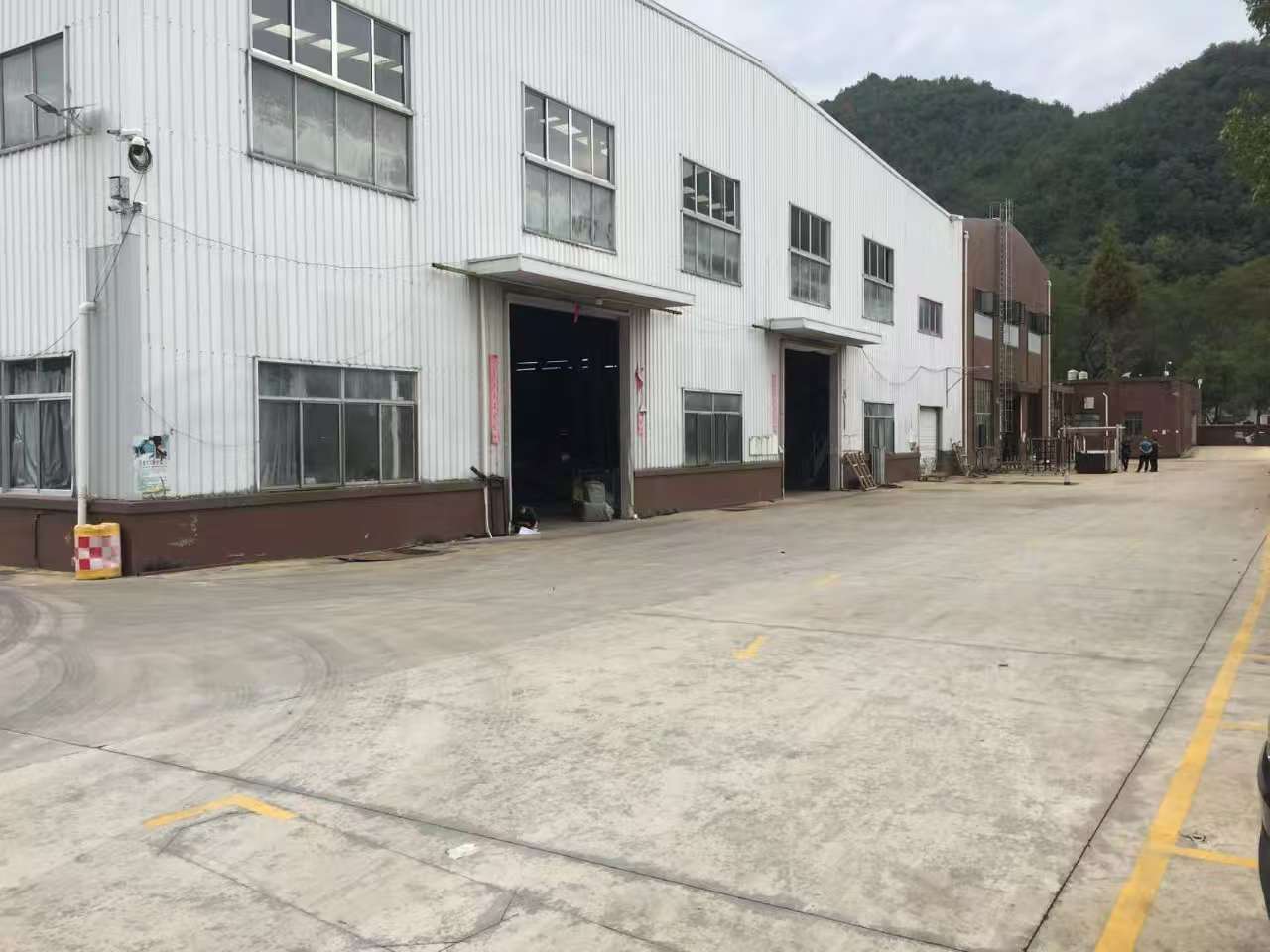
A genuine factory’s business license explicitly includes terms like “manufacturing,” “processing,” or “production” (e.g., 制造/加工/生产 in Chinese) within its official business scope. This section should also specify the exact product categories the company is legally permitted to produce, which must align with what they sell. The license often confirms the operation of production facilities at the registered company address, a detail that should match the factory location verified on their Alibaba profile.
How to Spot a Wholesaler or Trading Company
A trading company’s license centers on different activities, using terms like “wholesale,” “retail,” “distribution,” or “import and export of goods.” These licenses are notable for what they lack—any language related to manufacturing or processing. Their business scope might also cover a wide and varied range of product categories, a common practice for traders but unusual for a specialized factory focused on a specific production process.
Using Alibaba’s Verification to Confirm the License
Alibaba’s verification services, like the A&V Check and Onsite Check, directly inspect the supplier’s business license and confirm their business type in official reports. This makes it easy to spot inconsistencies. A major red flag appears when a supplier claims to be a factory, but their verified business type on Alibaba is listed only as “Trading Company.” Many legitimate factories have a mixed scope covering both manufacturing and trading, which allows them to legally export the goods they produce.
The Live Video Audit: What to Look for on the Floor
A live video audit is a practical way to verify a factory’s day-to-day operations. You should focus on tangible evidence: check that production systems are guided by current SOPs, inspect machinery for active safety features, and observe the actual flow of materials to confirm proper storage and in-process quality control. This visual check helps confirm that documented procedures are actually being followed on the production floor.
Production Systems and Safety Protocols
During a live tour, it’s important to see how the factory manages its processes and ensures a safe environment. You can ask your guide to show you several key areas to get a clear picture of their operations.
- Ask to see up-to-date process flowcharts, SOPs, and work instructions available to workers on the floor.
- Inspect machinery for visible maintenance schedules, recent calibration records, and working safety features like guards and emergency stops.
- Look for clearly marked fire exits, check for correct PPE usage by staff, and observe if waste management systems are organized.

Material Flow and In-Process Quality Control
Understanding how materials move through the factory and how quality is maintained is critical. Watch the production process from start to finish to see these systems in action.
- Observe how the facility handles raw materials, checking for proper storage conditions and clear inventory labeling (like FIFO).
- Watch the live production line to confirm workers are following approved procedures and monitoring key process parameters.
- Verify that quality checks are performed at key stages and see how the team manages rejected or non-conforming products in real time.
Source Custom, Commercial-Grade Umbrellas Direct from the Factory

ISO 9001 Certifications: Verifying Authenticity Numbers
To confirm an ISO 9001 certificate is authentic, you need to check its unique number, scope, expiration date, and the issuing and accrediting bodies. The final step is always to validate these details using official online databases.
Key Details to Check on the Certificate Itself
When examining an ISO 9001 certificate, locate the unique certificate number used for online searches. Confirm the scope of certification covers the supplier’s claimed operations and locations. Check the expiration date; certificates are valid for up to three years but depend on successful annual audits. You should also be able to identify the logos for both the issuing Certification Body (CB) and its accrediting Accreditation Body (AB).
Using Online Databases for Validation
You can validate a certificate through official online resources. The IAF CertSearch global database (iafcertsearch.org) allows you to confirm a certificate’s validity, scope, and status. It is also a good practice to verify the Certification Body’s accreditation through its national Accreditation Body’s website, such as ANAB in the United States or UKAS in the United Kingdom. Many issuing CBs also provide their own verification tools on their websites.
Common Red Flags and What to Avoid
Certain signs can indicate a fake certificate. The document is likely fraudulent if it lacks an Accreditation Body (AB) logo or comes from an unaccredited Certification Body. Be cautious if the listed scope of operations does not align with the products you are sourcing. Most importantly, never rely solely on a PDF document sent by the supplier. You should always perform an independent check using official databases to be sure.
Checking Export Records: Customs Data Verification
Checking a supplier’s customs export records is a critical step to verify they are a legitimate exporter with a proven history of shipping goods. This data lets you cross-reference their official company name, product types (via HS codes), shipment volumes, and destination markets against their business license and marketing claims. A strong match confirms their operational experience and helps separate real factories from trading fronts.
Why Export Records Are a Key Verification Tool
Customs data provides hard evidence that a supplier is a real exporter with a history of shipping goods, effectively separating them from simple trading fronts. Consistent export activity that matches their claimed products and markets is a strong signal that the factory is operational and experienced. These records also let you cross-check important details like declared HS codes, shipment volumes, and destinations against the supplier’s stated business scope and production capacity.
Key Data Points to Cross-Reference in Customs Records
When reviewing customs data, focus on a few key areas for verification. First, check the Exporter Name; it must exactly match the name on the business license and company profiles, as any discrepancy is a red flag. Next, analyze the HS Codes and Product Descriptions to ensure the exported goods align with what the supplier advertises. A major mismatch, like a claimed electronics factory exporting apparel, signals a problem. Also, examine Shipment Volume and Frequency for a stable history of regular shipments, since a long-established factory with sparse export activity requires more investigation. Finally, review the Destination Markets to confirm that any claims of experience in regulated regions like the EU or North America are backed by actual shipping records.
Factory Size & Staff Count: Does it Match Capacity?
A supplier’s factory size and staff count should directly align with their stated production capacity. Verified suppliers often have third-party audit reports that inspect their physical premises, production lines, and human resources, providing objective data to confirm that their claims match reality.
Using Audit Reports to Verify Physical Scale
Verified suppliers often have third-party audit reports, such as an ‘Assessed Supplier’ check, that confirm their operational scale. These inspections provide objective data on a factory’s physical size, workforce, and production capabilities.
Look for reports from independent firms like Bureau Veritas or TÜV Rheinland, which detail factory floor space, machinery, and human resources. These documents provide concrete data on production and export capacity, helping to validate a supplier’s self-reported claims.
Practical Checks for Spotting Mismatches
Directly ask the supplier for their full audit report; legitimate factories should provide this documentation without hesitation. The report serves as a baseline for your other checks and confirms they have undergone an independent assessment.
Schedule a live video tour to visually confirm that the number of staff and active production lines align with their stated monthly output. A supplier with a small team claiming the ability to handle high-volume production is a significant red flag. What you see during a live call should be consistent with the data in their audit report.

The “Showroom” Red Flag: Why Traders Have Better Showrooms than Factories
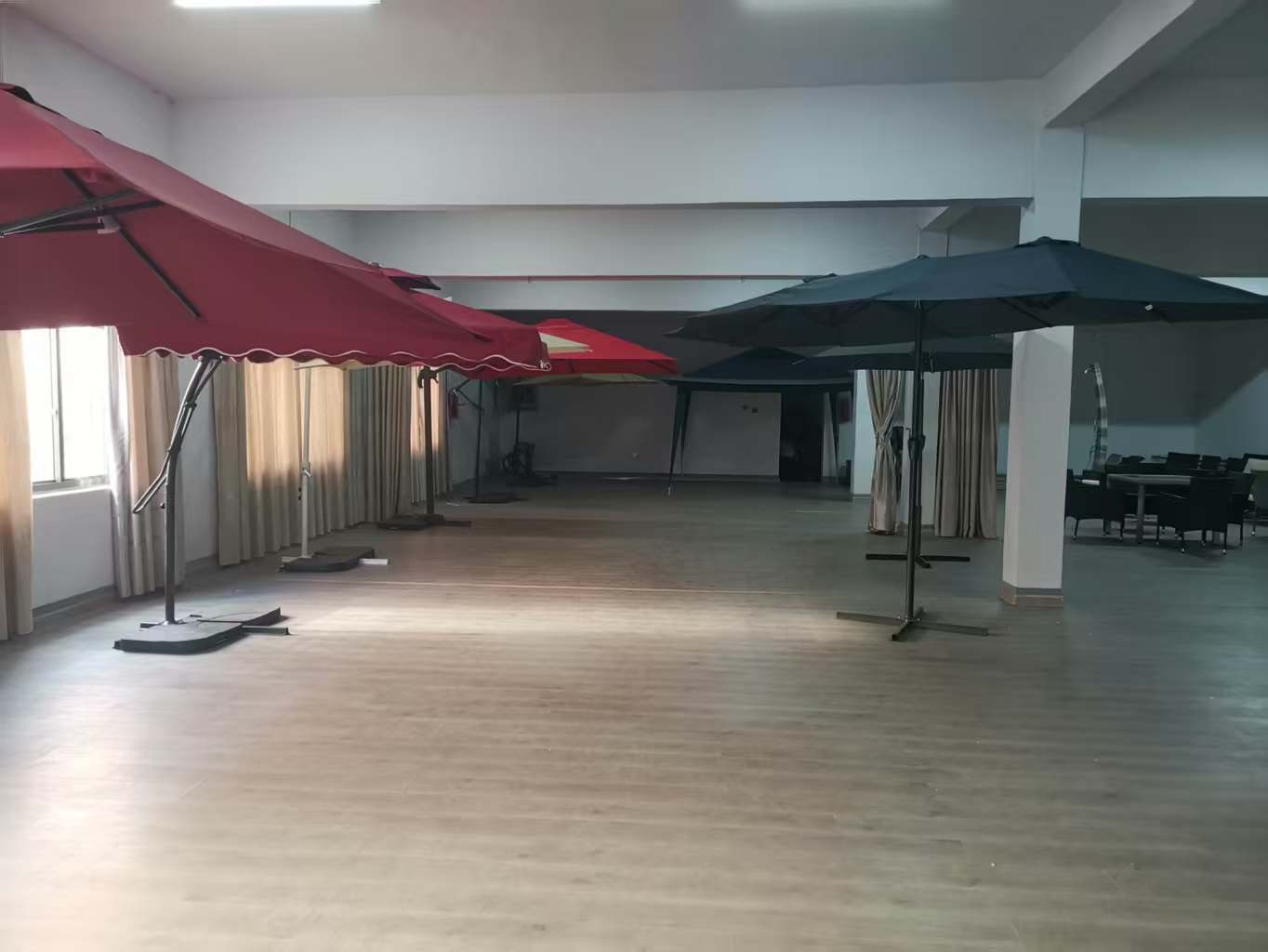
A lavish showroom paired with a weak or disorganized production facility is a classic red flag in factory verification. Genuine manufacturers invest capital in production assets like machinery and testing labs, while trading companies often prioritize polished showrooms as their main sales tool. This mismatch suggests the supplier may not be the actual factory, leading to risks like inconsistent quality and poor control over production.
The Investment Mismatch: Showrooms vs. Production Assets
Trading companies often invest heavily in impressive showrooms with polished aesthetics to attract buyers, as this is their primary sales tool. Their focus is on presentation. Genuine manufacturers, on the other hand, prioritize capital investment where it counts: in production assets. Their funds go toward CNC machines, molding lines, testing labs, and warehouses that support efficient and quality manufacturing. A lavish showroom paired with a weak, small, or disorganized production area is a strong indicator that the supplier may not be the actual factory but a front for other operations.
Associated Risks and Buyer Verification Actions
Working with such suppliers introduces key risks, including outsourced production to unknown workshops, unstable quality between showroom samples and mass-produced goods, and weak control over lead times. To verify a supplier’s authenticity, buyers should request live video tours of the actual production lines, not just the customer-facing areas. This allows you to see the machinery in operation and assess the real working environment. You can also cross-check their claims by reviewing official third-party reports, like Alibaba’s “Assessed Supplier” or “Verified Supplier” audits, which focus on production capacity and process control, not interior design.
Asking Technical Questions: Testing Engineering Knowledge
Moving beyond general inquiries to ask specific, technical questions is essential for verifying a supplier’s true capabilities. By questioning their production machinery, capacity data, quality control systems, and material expertise, you can effectively test their engineering knowledge and confirm if their operational reality matches their marketing claims.
Probing Production Capacity and Process Flow
To gauge a supplier’s actual production strength, ask for a detailed list of their primary machines, including specific brands and models. This helps confirm they have the right equipment for your product. Follow up with questions about hard data points like cycle times for key processes, the number of production lines, and standard shift patterns. A legitimate factory can provide their typical monthly output and average yield rates, giving you a clear picture of their real-world capacity.
Push further by asking the representative to identify their main production bottlenecks. A knowledgeable manager can explain their constraints and how they manage them. Inquire about their process for scaling up to handle larger or urgent orders. Their answer reveals their operational flexibility and planning capabilities, separating experienced manufacturers from those who might overpromise or rely on undisclosed subcontracting.
Questioning Quality Control and Material Specifications
A supplier’s approach to quality is a critical indicator of reliability. Ask them to describe their quality management procedures at each stage: incoming material inspection (IQC), in-process quality control (IPQC), and final product inspection. A mature factory will have documented standard operating procedures (SOPs) for these checks. Also, ask about their product traceability system. They should be able to explain how they track a specific batch of raw material through production all the way to the finished, packaged good.
Test their technical depth by asking about specific material grades and industry standards relevant to your product. For example, you could ask them to explain the functional differences between 6061 and 7075 aluminum alloys or what is required to meet a certification like EN581 for outdoor furniture. A supplier with genuine engineering expertise can answer these questions confidently. A trading company or a less experienced factory will likely struggle, exposing a critical gap in their claimed knowledge.
Frequently Asked Questions
How can I verify a Chinese business license online in 2026?
Use the official National Enterprise Credit Information Publicity System (GSXT). You will need the supplier’s full legal name in Chinese characters and their 18-digit Unified Social Credit Code. Entering these details on the GSXT website lets you check their official registration status, business scope, and address. If the information doesn’t match what the supplier gave you, it is a major red flag.
Should I ask for a live video tour of the factory before placing an order?
Yes, a live video tour is a great way to verify a supplier. A legitimate factory should be willing to show you their production lines, warehouse, and office in real-time. If a supplier refuses or will only send a pre-recorded video, it suggests they may not be a genuine manufacturer.
What is the main difference between a manufacturer and a trading company?
A manufacturer produces goods in its own factory and usually has a narrow, specialized product range. A trading company does not produce anything; it buys finished goods from different factories and resells them, often offering a very broad product catalog. A manufacturer’s business license will include ‘manufacturing’ (生产) in its business scope.
Do real factories always have English-speaking sales staff?
No, many legitimate factories do not have fluent English-speaking staff. They might rely on translation software or a third-party agent for communication. Judging a supplier based on their English skills is not a reliable verification method; focus instead on official documents, certifications, and video audits.
Final Thoughts
Verifying whether a supplier is a real factory or a trading company is not a one-time task; it is a habit that you build into every sourcing decision. Each check—photos, licenses, certifications, export records, factory size, showroom balance, and technical depth—adds another layer of protection against hidden outsourcing and unstable quality.
When you treat verification as a standard part of your process, you send a clear signal about the type of partner you want to work with. Factories that value transparency and long-term relationships will respond well to this level of scrutiny, while weaker suppliers will struggle to keep up. Over time, this simple discipline helps you build a supply base that supports your brand with consistent quality, realistic lead times, and honest communication.