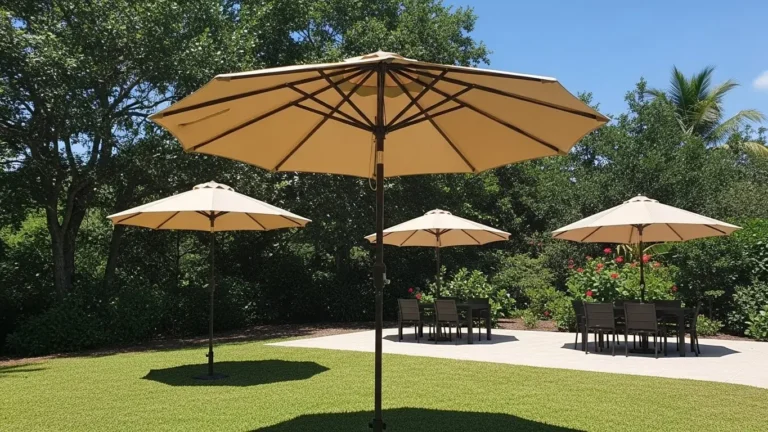



In-pool mounting specifications are critical; using the wrong materials leads directly to failure. Submerging a standard aluminum or phosphated steel pole in chlorinated water guarantees rapid corrosion, triggering expensive warranty claims and potentially damaging the client’s pool structure.
This analysis outlines the correct engineering standards for this application. We detail why a 316SS pre-embed sleeve is mandatory and cover the NEC electrical bonding requirements essential for a safe, compliant, and durable installation that avoids costly retrofitting.
What Is a Baja Shelf (or Sun Shelf) and Why Is It Popular?
A Baja shelf is a wide, shallow ledge in a pool, usually 6-18 inches deep. Its popularity comes from its versatility as a space for lounging, socializing, or supervising kids.
Defining the Multi-Purpose Lounging Ledge
A Baja shelf is a shallow platform built into a pool’s edge, sitting just 6 to 18 inches below the water’s surface. The design is large enough to hold lounge chairs, letting people relax while partially submerged. Its function is what makes it so common in modern pools. It works as a social hub for adults, a tanning spot, and a safe, shallow play area for children. This flexibility makes it useful for just about anyone who uses the pool.
The Key Feature for Shade: Integrated Umbrella Sleeves
One of the most practical customizations for a Baja shelf is a built-in umbrella sleeve. This feature is installed directly into the pool’s structure, creating a secure mount for an umbrella pole. It transforms the shelf from a simple ledge into a shaded relaxation zone. The sleeve is the core component that makes stable, safe in-water umbrella use possible, preventing any tipping or movement.

The Challenge: What Happens to Aluminum When It Is Submerged in Pool Water?
Submerged in a pool, aluminum corrodes fast. Chlorine destroys its protective layer, and conductive water creates an electrochemical reaction that eats away at the metal.
How Chlorine Breaks Down the Protective Oxide Layer
Aluminum naturally forms a tough, passive oxide layer in the open air. This invisible skin is what typically protects it from corrosion. But pool water is a completely different environment. The chlorides from the pool chemicals are aggressive and specifically target this protective layer. They penetrate the oxide skin, exposing the raw, vulnerable aluminum underneath directly to the chemically treated water.
Electrochemical Corrosion from Water Conductivity
The attack is not just chemical; it’s also electrical. Pool chemicals like chlorine and various salts act as electrolytes, making the water much more electrically conductive. This turns the pool into a perfect environment for electrochemical corrosion. The submerged aluminum part effectively becomes a sacrificial anode in a low-power battery, rapidly degrading as it gives up its electrons to the surrounding environment.
Source Commercial-Grade Umbrellas Direct from the Factory

The Solution: Why Is a 316SS Pre-Embed Sleeve Essential?
A 316SS pre-embed sleeve resists corrosion from pool chemicals and integrates securely into the structure during construction, preventing future failures and expensive retrofitting.
Superior Corrosion Resistance in Pool Environments
Pools are harsh environments. The constant exposure to chlorides from salt or chlorine systems aggressively corrodes most metals. While Type 304 stainless steel is common, it simply doesn’t hold up in these conditions. Type 316 stainless steel provides far greater protection.
The key difference is molybdenum. This element, present in 316SS, is critical for resisting chloride-induced corrosion. It prevents the premature rust and structural decay that leads to leaks, instability, and costly warranty claims. For any in-pool metal fixture, 316SS is the only reliable choice.
Structural Integrity Through Pre-Embed Installation
The best time to install an umbrella sleeve is during the pool’s construction. By embedding it directly into the gunite or shotcrete shell, the sleeve becomes an integral part of the pool’s structure. It’s not an afterthought; it’s a permanent and stable mount.
This method completely eliminates the need for retrofitting later. Trying to drill through an existing concrete pool shell is difficult, expensive, and risks compromising the pool’s integrity. A pre-embed installation ensures a clean, seamless, and maintenance-free mounting point from day one.

Bonding and Grounding: What Are the Electrical Safety Code Requirements?
Electrical codes require bonding to connect all metal components and grounding to create a safe path for fault current to the earth, preventing electrical shock.
Bonding and grounding are two separate but related requirements under NEC Article 250. They work together to create a safe electrical system, especially in environments with water and conductive materials. Understanding the specific role of each is critical for compliance and safety.
Understanding the Difference: Bonding vs. Grounding
While people often use the terms interchangeably, they serve distinct functions. Bonding equalizes electrical potential, and grounding provides a path for fault current.
- Bonding: This process connects all non-current-carrying metal components together. The goal is to create an equal electrical potential, ensuring there are no dangerous voltage differences between any two metal objects a person might touch.
- Grounding: This establishes a direct physical connection from the electrical system to the earth. It provides a low-resistance path to safely dissipate fault currents, which helps trip breakers and prevent equipment damage or shocks.
Core Mandates of NEC Article 250
The National Electrical Code (NEC) sets the minimum standards for safe installation. Article 250 outlines the foundational rules for both practices.
| Requirement | Description |
|---|---|
| Grounding Electrode System | Any structure supplied by feeders or branch circuits must have a compliant grounding electrode system installed. |
| Equipment Connection | All non-current-carrying metal parts of electrical equipment must be connected to the equipment grounding bus at the building’s main disconnect point. |
How Do You Customize Pole Length for Specific Water Depths?
First, measure the water depth from the pool floor to the surface. Then, use an umbrella with a telescopic pole and locking cams to extend and secure it at that exact length.
Measuring Your Water Depth for a Custom Fit
Getting the pole length right starts with an accurate measurement of your baja shelf or tanning ledge. It’s a straightforward process that ensures the umbrella fits securely without any guesswork.
- Stick a measuring pole straight down until it hits the floor of the shelf.
- Use a waterproof marker to draw a line on the pole right at the water’s surface.
- Pull the pole out and measure from its bottom tip up to your mark. That’s the exact submersion length you need.
Adjusting Telescopic Poles with Locking Cams
Telescopic poles are the standard for this application. They’re designed to extend and lock, providing a solid, custom fit for various water depths without needing to cut or modify anything permanently.
- These poles extend or retract to match the depth measurement you just took. Common models adjust anywhere from 4 to 18 feet.
- Most use an external locking cam. You just twist the mechanism, and it locks the pole securely at the desired length.
- This system creates a stable, wobble-free installation. It also means you can easily remove the pole and collapse it for compact storage.

Removal Caps: How Do You Ensure Safety When the Umbrella Is Removed?
When an umbrella is removed, a flush-fitting plastic cap covers the sleeve. This eliminates tripping hazards and keeps debris out of the opening, ensuring deck safety.
Using Protective Caps to Prevent Tripping Hazards
Leaving an empty umbrella sleeve exposed on a pool deck is a significant tripping hazard. Protective caps and plugs are the essential safety components designed specifically to cover these openings when the umbrella is not in use. They are not optional accessories; they are a required part of a safe installation.
- Material: Caps are typically made from durable, weather-resistant plastic that won’t degrade from chlorine, salt, or sun exposure.
- Common Designs: You’ll generally find two types—threaded plugs that screw into the sleeve for a secure fit, and drop-in plugs that often have an integrated handle for easy removal.
Ensuring a Flush, Trip-Safe Installation
A removal cap is only effective if the sleeve itself is installed correctly. The goal is to create a surface that is perfectly level with the surrounding deck, leaving nothing to catch a foot on. Proper installation is the key to preventing accidents.
- Recessed Placement: A professional installer will set the sleeve so its top lip sits slightly *below* the final plaster or deck level. They often chip away about an inch of gunite around the hole to create this recess.
- Snug Fit: The cap must fit tightly inside the sleeve opening. Any wobble indicates a poor fit, which can create an uneven edge and fail to provide a secure, trip-safe cover.
Water Drag: How Does Water Resistance Impact Umbrella Stability?
Water resistance protects an umbrella’s materials from rust and mold. True stability depends on base weight, anchoring, and its certified wind rating, not water drag.
Distinguishing Water Resistance from Physical Stability
People often confuse water resistance with physical stability, but they solve different problems. Water resistance is a material quality. We use polyester fabric to repel moisture, which helps prevent mold and mildew on the canopy. Our steel frames are treated with a phosphating wash and then powder-coated to provide a basic layer of rust protection against rain and humidity.
Stability is about withstanding physical force. An umbrella’s ability to stay upright in a pool or on a patio has nothing to do with its fabric coating. Stability is a result of a heavy base, a secure anchoring system, and a frame strong enough for its environment. Using specialized components like marine-grade stainless steel for in-pool mounts is about fighting long-term corrosion from chlorine, not about preventing the umbrella from tipping over.
Wind Resistance: The Critical Metric for Umbrella Stability
The most important rating for umbrella stability is its wind resistance. Our standard promotional-grade umbrellas are rated for Wind Grade 3, which handles a gentle breeze of up to 19 km/h. Anything more than that poses a risk.
Even with a secure in-pool mount, the canopy acts like a sail. A sudden gust of wind is the most significant destabilizing force it will face. This is why we are clear with all our buyers: for safety and to prevent damage, the umbrellas must be closed when not in use or during any breezy conditions. This isn’t a recommendation; it’s a required operating procedure for this class of product.

Installation Guide: Where Can Contractors Find the Technical Diagram?
Contractors find technical diagrams in manufacturer manuals, from pool design firms creating custom schematics, and via industry organizations publishing standardized construction drawings.
For any in-pool installation, working off the correct technical diagram isn’t just a best practice—it’s essential for structural integrity and safety. Generic advice won’t cut it. The plans you need are typically found in a few reliable places, depending on whether the project is a standard build or a custom design.
Official Manufacturer and Industry Resources
The most direct source for reliable diagrams is the manufacturer of the pool system or component itself. Companies maintain technical document repositories that include detailed installation guides, dig specifications, and reinforcement requirements. These documents provide the baseline schematics for their specific products, ensuring you meet their exact engineering standards.
Beyond a single manufacturer, broader industry organizations publish technical design manuals. These resources offer standardized construction drawings for common scenarios, such as drain placement, pipe penetrations, and substrate preparation. They are invaluable for understanding the accepted methods for ensuring a durable and compliant installation.
Custom Schematics from Professional Service Providers
Standard diagrams don’t cover every situation, especially in renovations or high-end custom builds. For these projects, you need to engage a professional service provider. A specialized pool service company can analyze an existing site and create custom plumbing and equipment layout schematics tailored to that specific environment.
For highly complex systems, like infinity edges or advanced water features, it’s best to partner with a water design firm. These specialists focus on hydraulic design and circulation layouts, producing the detailed schematics required to make sure sophisticated systems function correctly and efficiently.
Frequently Asked Questions
Can I put a regular patio umbrella on a Baja shelf?
Only if it is specifically designed as an in-pool umbrella. These models feature rust-resistant materials like aluminum poles and fade-resistant canopies to withstand chlorine and saltwater. A standard patio umbrella will quickly degrade and is not safe for this use.
What are the best materials for a sun shelf umbrella?
The best options use rust-resistant aluminum or fiberglass poles, as wood is unsuitable for submerged use. The canopy should be made from a UV-protected, fade-resistant fabric designed to handle constant sun and pool chemical exposure.
How do you install an umbrella sleeve in a pool?
For a new pool, the sleeve is embedded into the shelf during the construction phase. For an existing pool, a hole must be core-drilled through the concrete shell, and the sleeve is then secured with plaster or concrete. This is a specialized job that requires the right tools.
Do in-pool umbrellas need to be electrically grounded?
This depends on local electrical codes, such as the NEC Article 680, and your specific installation. While the main pool structure requires bonding, it is critical to consult a licensed electrician or your local building authority to determine the requirements for an umbrella pole.
Final Thoughts
A permanent 316SS sleeve is a non-negotiable part of a quality installation. But the umbrella itself is a running cost, subject to seasonal fading and wear. Using a cost-effective, promotional-grade umbrella is a smarter commercial strategy to manage replacement budgets and protect your long-term margins.
Verify the fit and finish for yourself. We recommend ordering a sample to test compatibility with standard pole diameters and see our material quality. Contact our sales team to get a full catalog or discuss container-load pricing for your next project.