

Commercial facility managers often find that selecting the wrong outdoor hardware leads to premature equipment failure and increased maintenance budgets. When a single hub or fastener fails under wind load, the resulting downtime affects both guest experience and operational efficiency.
This guide examines the mechanical performance of various materials and assembly methods used in heavy-duty furniture. We look at data showing that high-purity recycled Nylon 6 maintains 97% of the mechanical properties found in virgin resin, and explain why Grade 316 stainless steel requires 2.0–2.5% molybdenum to survive chloride-rich coastal environments.
Hub Material: Virgin Nylon vs. Recycled Plastic
Commercial umbrella hubs require high-impact materials to withstand constant tension. Virgin Nylon 6 provides the baseline for tensile strength and fatigue resistance, but 2026 manufacturing standards show that high-purity recycled Nylon 6 retains up to 97% of these mechanical properties while reducing energy consumption by 85%.
Mechanical Properties and Structural Integrity
Nylon 6 serves as the primary polymer for load-bearing umbrella components due to its specific molecular structure. It provides superior impact stress and elongation compared to Nylon 6.6, allowing hubs to flex under sudden wind loads without cracking or catastrophic failure. While virgin Nylon 6 offers a predictable baseline for tensile strength in heavy-duty hospitality environments, the material’s single monomer structure makes it highly compatible with recycling processes. This characteristic supports a circular manufacturing loop for outdoor hardware without compromising the structural integrity required for commercial use.
Recycling Efficiency and Material Performance Data
Modern purification technologies like Toray CYCLEAD™ enable recycled Nylon 6 to retain 95% to 97% of the tensile strength found in virgin resins. Data indicates only a marginal 2-3°C reduction in melting point and a heat deflection temperature within 5-8°C of original specifications. Chemical recycling of this polymer achieves significant environmental gains, cutting energy consumption by up to 85% and greenhouse gas emissions by 80% compared to virgin production methods.
The production process for recycled compounds consumes only 150-300 L/kg of water, a sharp decrease from the 500-1000 L/kg required for virgin extraction. Manufacturers often blend 30% virgin nylon with recycled stock to restore performance to near-virgin levels. This approach ensures components meet 2026 commercial durability standards while significantly reducing solid waste and the overall carbon footprint of outdoor furniture hardware.
Fasteners: Rivets (Bad) vs. Bolts (Good)
Bolts are the superior choice for commercial furniture because they provide high clamping force and allow for on-site repairs. Rivets create permanent joints that are difficult to service, often requiring the entire piece of furniture to be replaced if a single joint fails or loosens over time.
| Fastener Feature | Threaded Bolts (A325/A490) | Soft Steel Rivets |
|---|---|---|
| Clamping Force | High (via nut threading compression) | Limited (unthreaded shank) |
| Maintenance | Reusable with standard tools | Permanent; requires drilling for removal |
| Material Strength | High-strength structural steel | 30,000 – 50,000 psi (Soft steel) |
Mechanical Stability and Field Serviceability
Threaded bolts use nut compression to create a high clamp load, keeping joints tight during constant commercial use. This mechanical pressure prevents the frame from wobbling even under high-traffic conditions. Bolt-and-nut assemblies allow maintenance teams to perform on-site repairs and part replacements with standard tools. This design choice ensures that a single loose joint does not compromise the entire product.
Rivets create an irreversible bond that requires drilling or cutting for removal. This characteristic makes them impractical for long-term maintenance in professional settings. If a rivet fails or the joint loosens, the piece often becomes unusable because technicians cannot easily reset the fastener. Furniture with bolt-based construction supports a circular economy by allowing individual components to be refreshed as of 2026, extending the product lifecycle indefinitely.
Tensile Strength and Structural Performance Data
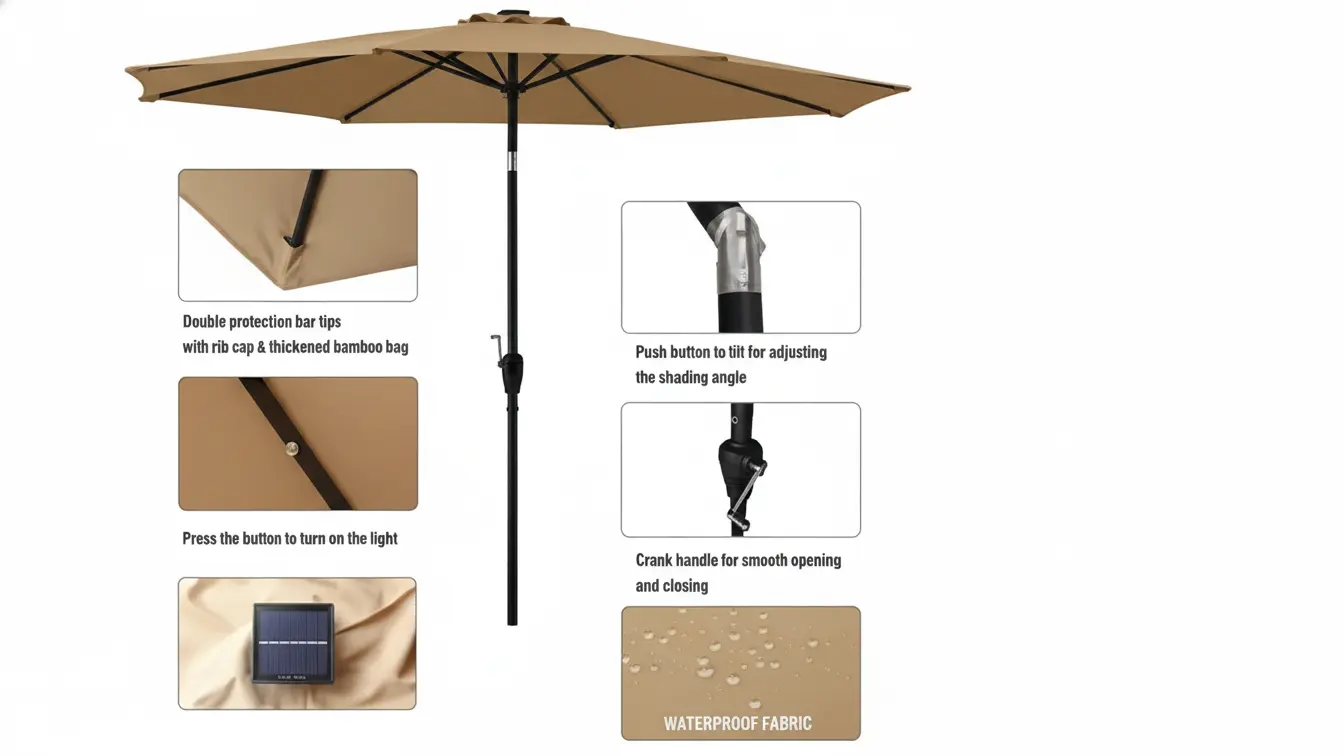
High-strength structural bolts, such as A325 (Group A) and A490 (Group B), offer superior tensile force resistance compared to soft steel rivets. These bolts handle the heavy-duty demands of large umbrellas and seating frames where tensile stresses often lead to hardware failure. Rivets generally provide a material strength of 30,000 to 50,000 psi. They fail more easily under the high-tension loads found in heavy commercial equipment, whereas they typically perform best in lightweight, shear-resistant joints.
Engineers prioritize bolts for applications requiring heavy load support. While rivets resist vibration due to their lack of rotation, technicians solve the vibration issue for bolts by using Nord-Lock washers. This combination prevents the bolt from loosening while maintaining the serviceability that a rivet lacks. Choosing bolts ensures the frame remains structurally sound and repairable throughout its service life.
Stainless Steel Grades: 304 vs. 316
By 2026, 304 and 316 remain the industry standards for outdoor hardware. The primary difference is molybdenum; 316 contains 2.0–2.5% of this element, making it resistant to salt and chloride corrosion. While 304 is ideal for inland use, 316 is necessary for coastal environments to prevent pitting and structural degradation.
Chemical Composition and Corrosion Resistance
Both 304 and 316 belong to the austenitic AISI 300 series, corresponding to European designations EN 1.4301 and EN 1.4401 respectively. These materials share a non-magnetic structure and high weldability, but their elemental makeup creates distinct performance profiles. Molybdenum serves as the primary differentiator. Grade 316 includes 2.0% to 2.5% molybdenum, an element entirely absent in grade 304.
Nickel and chromium levels also vary between the two alloys. Grade 304 contains between 17.5% and 19.5% chromium and 8.0% to 10.5% nickel. In contrast, grade 316 utilizes a slightly lower chromium range of 16.5% to 18.5% but requires a higher nickel concentration of 10.0% to 13.0%. This chemical shift significantly improves pitting resistance in chloride-rich environments, such as coastal regions or areas treated with de-icing salts.
Mechanical Properties and Site Suitability
Grade 316 demonstrates superior mechanical strength compared to 304. It offers a yield strength of 34,800 psi (240 MPa) and an ultimate tensile strength of 79,800 psi. Grade 304 provides a yield strength of 31,200 psi (215 MPa) and an ultimate tensile strength of 73,200 psi. On the Rockwell B hardness scale, 316 measures at HRB 80, while 304 typically measures around HRB 70. These metrics indicate that 316 provides greater resistance to plastic deformation and wear.
Site conditions dictate the appropriate material choice for commercial hardware. Grade 316 prevents structural failure from pitting and crevice corrosion in marine settings or chemically treated hospitality zones. Grade 304 remains the cost-effective standard for inland applications where salt exposure is minimal. While 316 is more expensive, its durability in harsh environments reduces long-term replacement costs and maintenance requirements.
Scale Your Business with Premium, Factory-Direct Commercial Umbrellas

The Crank Mechanism: Zinc Alloy Internal Gears
Zinc alloy internal gears provide the mechanical strength and dimensional precision required for heavy-duty umbrella lift systems. Unlike plastic components, these die-cast gears use ZAMAK or ZA alloys to ensure high torque resistance and natural lubricity. In 2026, precision die casting remains the standard for producing durable, net-shape gear trains that resist wear in high-traffic commercial environments.
Material Properties and Alloy Selection
Engineers utilize ZAMAK 3, 5, and ZA alloys like ZA-12 or ZA-27 to balance shear strength with dimensional stability in umbrella crank systems. ZA-12 and ZA-27 alloys serve as direct substitutes for bronze bearings, offering a 43% weight reduction while maintaining the high-load capacity necessary for low-speed gear drives. These materials provide the structural integrity required to lift large-format commercial canopies without the deformation risks associated with polymer alternatives.
ZAMAK 5 is frequently selected for its superior creep resistance, which ensures gear teeth maintain their profile under the constant tension of a deployed umbrella. The natural lubricity of zinc alloys facilitates smooth meshing between the internal ring gear and steel crank pinions. This characteristic reduces the need for heavy external lubrication, preventing the accumulation of abrasive dust and grit that can degrade the mechanism over time.
Engineering Tolerances and Performance Data
Hot-chamber die casting produces internal gears with pitch tolerances of ±0.002 inches and flatness held to 0.006 inches over long production runs. Precision casting techniques maintain shaft-to-hub runout at a maximum of 0.003 inches, ensuring consistent alignment within the crank housing. These tight tolerances allow for zero-draft or near-zero draft on internal teeth, which optimizes the contact area between moving parts and increases the mechanical efficiency of the lift drive.
The casting process achieves a Brinell hardness between 100 HB and 118 HB, providing the wear resistance necessary for repetitive daily operation in commercial settings. Integrated casting allows manufacturers to consolidate the internal ring gear, bearing journals, and thrust faces into a single part. This consolidation reduces assembly costs by 40% compared to machined steel components while eliminating potential points of failure at joined interfaces.
Rope and Pulley: The Simple, Durable Choice
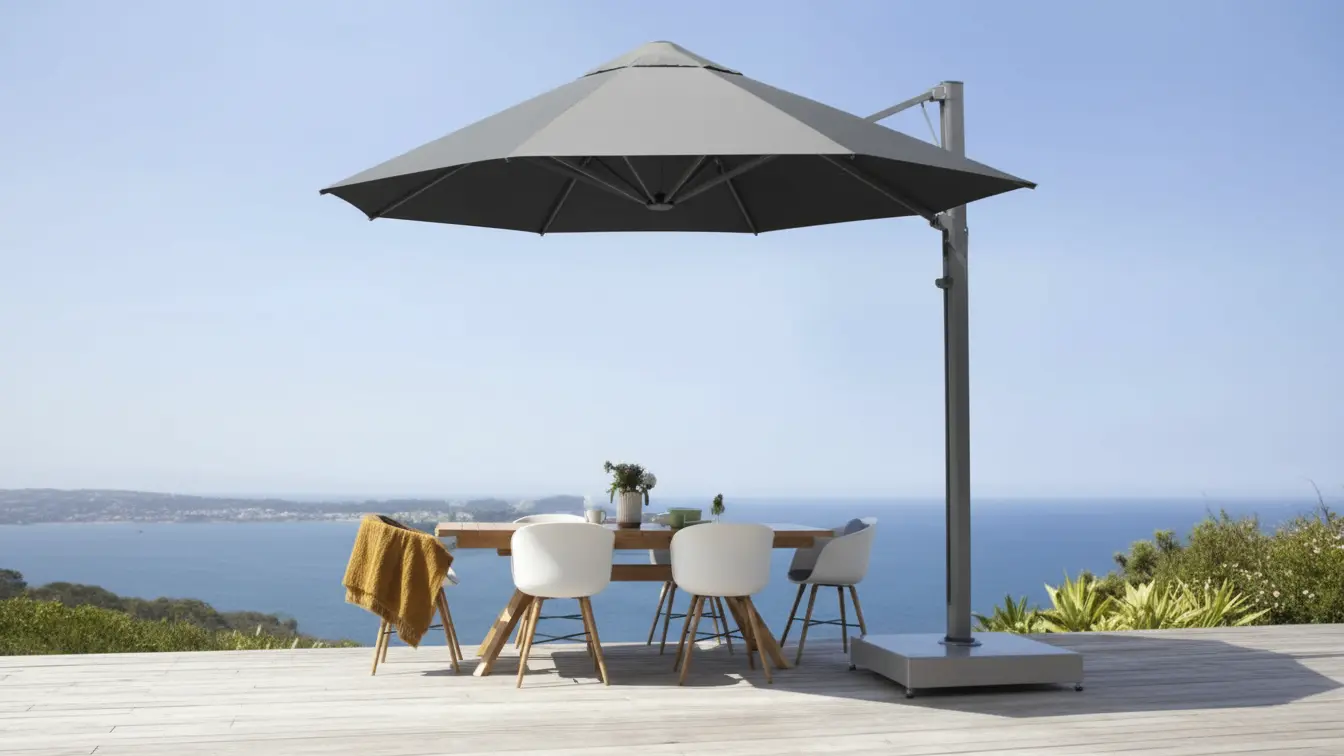
Rope and pulley systems remain a favorite for 2026 commercial installations because they offer high reliability with fewer moving parts. By utilizing 3/8-inch poly rope and galvanized steel components, these systems handle working loads up to 4000LB, providing a 7:1 lifting ratio that ensures smooth operation even in harsh seaside environments.
Longevity Through Minimalist Mechanical Design
Eliminating internal gear housings prevents sand, salt, and environmental debris from causing mechanical jams during daily operation. This minimalist approach proves essential for high-traffic B2B environments where equipment must perform consistently without the need for frequent deep cleaning or specialized lubrication. Visual wear indicators on the poly ropes allow maintenance teams to perform proactive safety checks without dismantling the umbrella frame, ensuring safety protocols remain efficient and visible.
Field-replaceable components like nylon sheaves and zinc-plated hooks reduce downtime by allowing on-site repairs with standard tools. Unlike complex internal crank systems that often require factory service, these parts are easily swapped to keep shade structures operational during peak seasons. Furthermore, the significant reduction in weight compared to heavy internal crank systems facilitates easier transport and setup for event rental programs and seasonal venue reconfigurations.
Technical Performance and High-Load Specifications
Engineering standards for these systems prioritize an 18:1 pitch diameter-to-rope ratio to minimize groove pressure. This specific design choice significantly extends the lifespan of 11-13mm diameter ropes by reducing internal friction and heat buildup during operation. By utilizing pulleys with a 40 kN Minimum Breaking Strength (MBS), the structures maintain structural integrity even when facing unexpected wind gusts or heavy usage in public spaces.
The deployment of 3/8-inch poly rope supports a 4000LB working load capacity, providing the necessary strength for heavy-duty contract-grade canopies. Heat-treated steel shafts and galvanized frames provide the corrosion resistance required for coastal resort applications. These materials withstand salt spray and constant humidity, preventing the seizing common in lower-grade alloy alternatives. The combination of high-tensile materials and mechanical advantage ensures that even the largest commercial umbrellas operate smoothly throughout their service life.
Tilt Mechanisms: Push Button vs. Crank Tilt
Crank tilt mechanisms rely on complex internal geartrains and cables to adjust the canopy, offering ergonomic ease but introducing multiple failure points. Push-button mechanisms utilize a simplified spring-loaded detent pin system that offers higher durability and lower maintenance, making them the preferred choice for high-traffic contract environments where mechanical simplicity equates to longevity.
Mechanical Architecture and Failure Profiles
Crank systems convert rotational torque at the handle into linear motion through zinc alloy gears, winch assemblies, and internal cable linkages. This architecture allows the user to adjust the canopy angle from a waist-high position, but it depends on the precise synchronization of several moving parts. Push-button designs simplify this interaction by employing a spring-loaded detent pin that engages a mating socket directly at the pivot joint. This configuration removes the need for internal drive trains or hidden cables, creating a more transparent mechanical structure.
Failures in crank tilt systems often stem from stripped plastic gears or cable fatigue caused by repeated over-travel during the canopy opening phase. Because these components reside inside the umbrella pole, they are difficult to inspect or repair. Push-button mechanisms localize stress at the pivot joint itself. High-grade units utilize glass-fiber-reinforced housings to prevent boss cracking under heavy use. Contract-grade builds for 2026 prioritize push-button systems specifically to reduce the part count and eliminate hidden failure sites inside the frame.
Engineering Performance and Load Distribution
Robust push-button assemblies can achieve performance ratings of 5 g vibration and 20 g shock resistance according to IEC 60068-2-27 standards. These benchmarks indicate the mechanism’s ability to withstand the oscillations common in windy environments. Crank mechanisms manage mechanical stress by distributing user-applied torque through a gear reduction path. This path protects the tilt knuckle from direct manual levering forces, though it places the burden of the load on the gears and cable linkages instead.
Adjusting a push-button mechanism requires the user to manually lever the upper pole, which places direct shear stress on the stainless steel pivot pin and the surrounding housing. Industrial-spec detent springs and metal-threaded fasteners prevent the loosening issues frequently found in consumer-grade plastic assemblies. Effective maintenance protocols for both systems include applying water-resistant lubricants to the moving joints and checking for pin fatigue to ensure reliable operation through 2026.
Why We Avoid “Auto-Tilt” for Commercial Use
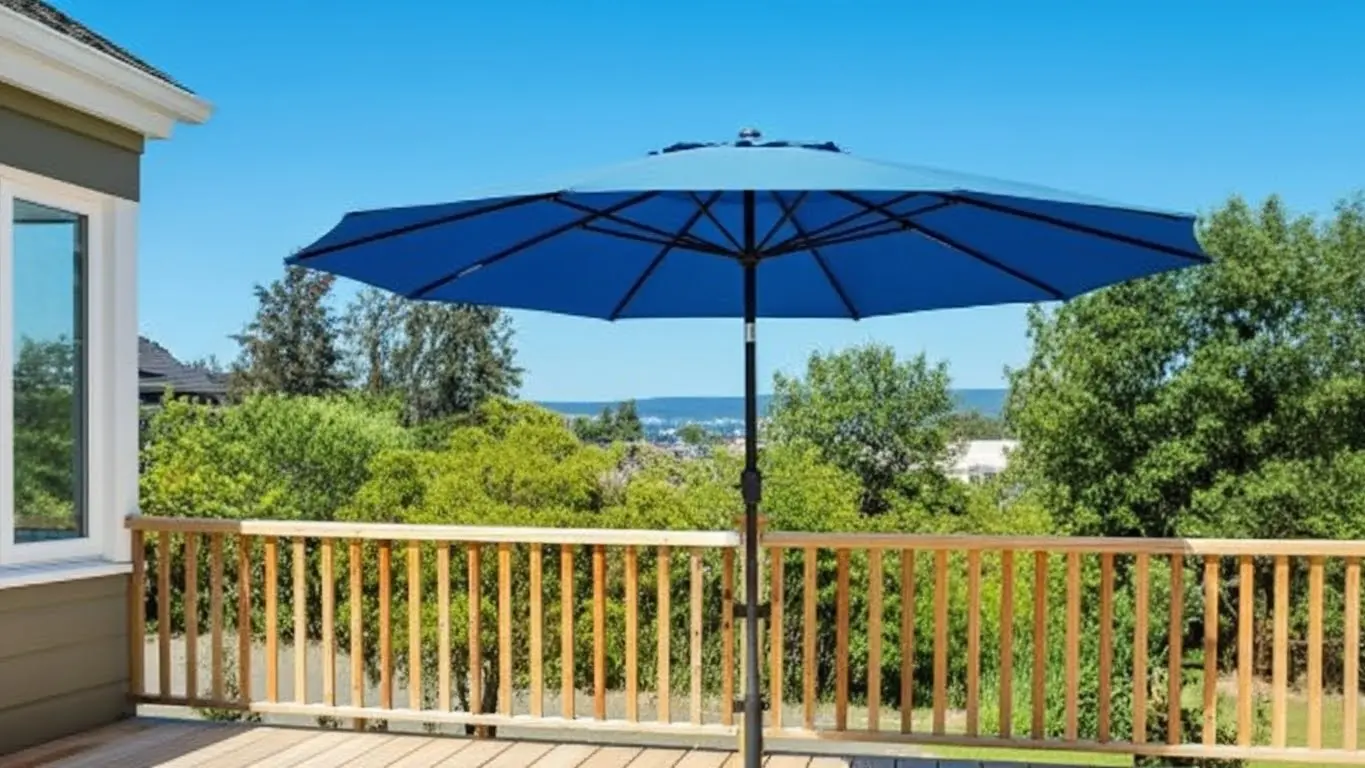
Auto-tilt mechanisms frequently fail in commercial settings because they rely on continuous gear tension that cannot withstand unpredictable wind loads. For 2026 installations, we prioritize manual locking systems or industrial-rated hardware that features defined load capacities, 6000-series aluminum components, and integrated safety brakes to prevent mechanical fatigue.
Mechanical Fatigue and Gear Failure in Automatic Systems
Internal zinc alloy gears in auto-tilt units lack the structural integrity to manage shock loads from sudden wind gusts, which often leads to stripped teeth. Constant tension on the tilt cable causes stretching and mechanical slip, compromising the umbrella’s ability to maintain a fixed 0–89° angle. Unlike manual systems that use lockable brakes and viscous damping, automatic motion under load creates unpredictable dynamics that can tip weighted bases. Consumer-grade mechanisms also lack factory-set safety relief valves found in industrial tilters, providing no fail-safe for over-extension.
Engineering Standards for High-Capacity Tilt Hardware
Commercial-grade tilt hardware requires 6000-series aluminum or stainless steel housings to support payloads exceeding 10 kg without structural deformation. Industrial units specify static and dynamic load capacities, whereas consumer auto-tilt hardware rarely provides documented weight limits. High-capacity commercial systems utilize hydraulic or electromechanical controls rated for intermittent pressures up to 3,200 psi to ensure stability during adjustment. Manual pan-and-tilt heads with defined windows, such as ±60°, provide a more reliable user experience than the continuous, non-locking rotation of standard auto-tilt designs.
User-Serviceability: Can You Fix It On-Site?
Commercial serviceability relies on design features that minimize Mean Time To Repair (MTTR). By following SAE J817/1 and ISO 55000 standards, operators can perform field fixes—such as replacing ribs using screws instead of rivets—ensuring that 80% of maintenance remains preventive rather than reactive.
| Standard / Metric | Technical Focus | Operational Benefit |
|---|---|---|
| ISO 55000 | Asset Management | Optimizes lifecycle costs from equipment purchase through disposal. |
| SAE J817/1 | Serviceability Design | Defines the speed of diagnostics and ease of component access. |
| MTTR | Corrective Maintenance | Quantifies the time needed to restore system availability. |
| ISO 13374 | Condition Monitoring | Uses diagnostic data to shift from reactive to predictive maintenance. |
Measuring Maintenance Efficiency: MTTR and ISO 55000
SAE J817/1 guidelines define serviceability through the speed of diagnostics and ease of access to mechanical components. Engineers prioritize Mean Time To Repair (MTTR) as a critical B2B metric to reduce equipment downtime in 2026 hospitality projects. When hardware allows for rapid on-site intervention, facility managers can maintain high availability without returning products to the manufacturer.
ISO 55000 frameworks help facilities manage the lifecycle of hardware, focusing on cost forecasting from purchase through the wear-out phase. High Mean Maintenance Time (MMT) indicates poor design, often caused by inaccessible lubrication points or non-removable fasteners. Choosing hardware with high serviceability ratings lowers long-term operational costs by making routine upkeep faster and more reliable.
Field-Replaceable Design and the 80/20 Rule
Reliability-Centered Maintenance (RCM) per SAE JA1011 favors modular components like bolted ribs over permanent rivets for immediate field replacement. Effective operations follow the 80/20 rule, where 80% of maintenance time goes toward preventive tasks to stop failures before they happen. This strategy ensures that the remaining 20% of effort handles minor corrective repairs without disrupting daily business operations.
ISO 13374 standards support condition monitoring, allowing staff to use diagnostic data to identify worn internal gears before they seize. Designing for 2026 standards means using 5S methodology to simplify on-site repair kits, reducing the need for specialized factory tools. Modular designs allow for the replacement of specific high-wear parts, preventing the total loss of the asset during peak seasonal usage.
Final Thoughts
Selecting commercial outdoor hardware requires a balance between material science and mechanical simplicity. High-purity recycled Nylon 6 and Grade 316 stainless steel provide the structural foundation needed for harsh environments. Choosing threaded bolts over permanent rivets and push-button tilts over complex internal cranks reduces mechanical failure. These choices prioritize components that withstand high wind loads and salt exposure while remaining easy to inspect during routine maintenance.
Investment in field-serviceable components aligns with 2026 durability standards and lowers the total cost of ownership. Modular frames allow maintenance teams to replace individual ribs or fasteners on-site, extending the product lifecycle far beyond disposable alternatives. Focusing on high-load specifications and minimalist designs ensures that shade structures remain functional and safe throughout years of heavy commercial use.
Frequently Asked Questions
What is the most durable umbrella mechanism for high-wind areas?
The most durable systems utilize fiberglass ribs and marine-grade stainless steel fasteners. High-end frames like those from Le Parapluie de Cherbourg endure wind-tunnel tests up to 155 km/h. Fiberglass provides a critical advantage by flexing under pressure without permanent deformation, while 316 stainless steel prevents corrosion in salt-heavy coastal environments.
Can you repair a broken umbrella rib on-site?
Yes. A standard field repair involves using a 6-inch length of 5/8-inch copper sleeve to bridge the break. You secure the sleeve by drilling a small hole through the rib and fastening it with nuts and bolts. This method restores structural integrity to the frame without requiring a full canopy replacement.
Is a rope and pulley system more efficient than a crank mechanism?
Pulleys offer a mechanical advantage of 2:1 to 4:1, making them effective for lifting heavy commercial canopies. But they suffer a 15% efficiency loss per sheave due to rope stiffness and bending friction. Cranks provide higher precision and torque multiplication via internal gears, though they contain more moving parts that require maintenance.
Why is 316 stainless steel preferred over 304 for outdoor hardware?
Grade 316 contains 2% molybdenum, which specifically resists chloride-induced pitting and corrosion from salt water or pool chemicals. It also delivers higher physical performance, with a tensile strength of 79,800 psi compared to the 73,200 psi found in Grade 304 stainless steel.


 English
  Spanish
  French
  German
  Portuguese