
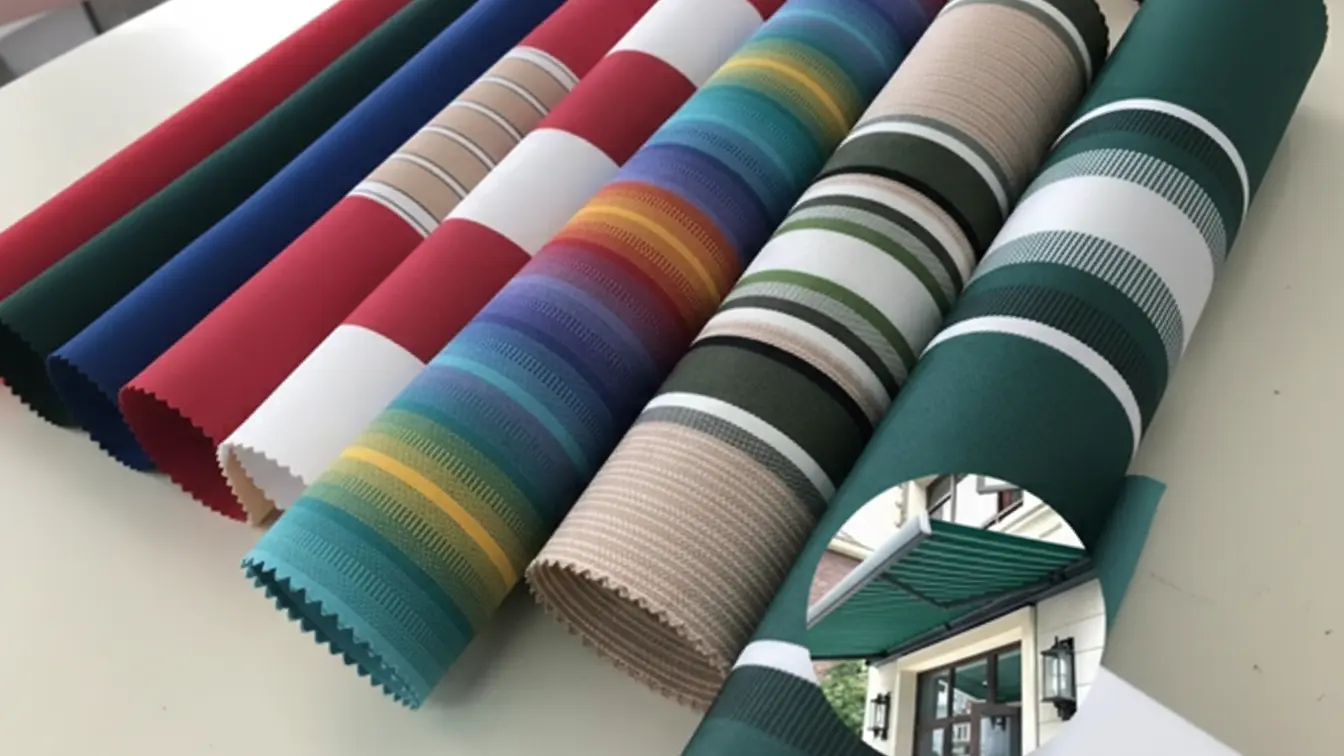
Many homeowners find their patio umbrellas fading within a single season, leaving dull, uneven colors after just one summer. If you’re tired of replacing cheap umbrellas, understanding what makes a fade resistant patio umbrella truly last can help you invest wisely for lasting color and durability.
This guide covers why cheap umbrellas fade quickly, how solution-dyed fabrics like Sunbrella outperform others, and what to consider when choosing or maintaining a premium umbrella. It helps homeowners keep their outdoor spaces looking fresh and vibrant season after season.
Why Do Cheap Patio Umbrellas Fade Quickly?
Cheap patio umbrellas fade quickly due to inferior pigment composition, low-quality fabrics, and lack of UV protection. They typically use unstable natural dyes or low-grade synthetic pigments combined with untreated polyester fabric, resulting in rapid color loss under sun exposure.
Many homeowners are frustrated when their new umbrella loses its vibrant color after just one summer. The difference between a fading canopy and one that stays bright often comes down to material quality, pigment type, and UV treatment. Let’s explore these factors in detail.
Key Differences in Fabric and Pigments
In our experience, the quality of the fabric and dye system determines how long a patio umbrella can resist fading. Budget umbrellas usually rely on untreated polyester, which provides almost no UV protection and typically fades within a single season.
- ❌ Budget umbrellas use untreated polyester that deteriorates under UV rays.
- ✅ High-quality options use acrylic, olefin, or Sunbrella fabrics treated with UV inhibitors offering UPF 50+ protection.
- ✅ Premium pigments are engineered with stabilized molecules designed for outdoor use, preventing color breakdown from sunlight exposure.
These technical differences not only influence the look of the fabric but also extend the umbrella’s usable life in outdoor environments.
Cost and Longevity Comparison
While cheap umbrellas may seem appealing at first glance, they often result in higher long-term expenses. Budget units cost between $50 and $150 but typically fade after one season. Replacements accumulate to a cost of around $400–$500 yearly.
| Type | Average Price | Fade Resistance | Expected Lifespan | Annual Replacement Cost |
| ❌ Budget Umbrella | $50–$150 | Fades in 1 season | 1 year | $400–$500/year |
| ✅ Premium Umbrella | $400–$500 | Stays bright for 5+ years | 5–7 years | Minimal replacement cost |
Investing in a fade resistant patio umbrella built from contract-grade materials leads to lower total cost of ownership and superior outdoor aesthetics over time.
Additional Factors Influencing Fading
Besides pigment and fabric quality, other design choices affect durability. Bright shades such as red, orange, and yellow contain less stable molecules, making them more sensitive to UV exposure and faster to fade.
- ⚠️ Bright colors fade faster under direct sunlight.
- ❌ Low-end models often use steel frames that rust or peel due to lack of powder coating.
- ✅ Premium umbrellas feature rustproof aluminum frames with durable powder finishes for extended outdoor performance.
Both color selection and structural materials directly shape how long your patio umbrella maintains its look and integrity. A thoughtfully chosen umbrella using fade resistant fabric ensures long-lasting shade and a consistent visual appeal year after year.
What is Solution-Dyed Fabric and Why It Lasts Longer?
Solution-dyed fabric is made by integrating color pigments directly into the polymer solution before fiber extrusion, making color a permanent part of the fiber. This produces fabrics that resist fading from UV light, washing, and abrasion far better than traditionally dyed fabrics, resulting in significantly longer-lasting color and durability.
When shopping for a fade resistant patio umbrella, the secret to long-lasting color lies in the type of fabric used. Among all materials, solution-dyed fabric stands out for its durability and vibrant color retention, even under strong sun exposure and frequent use.
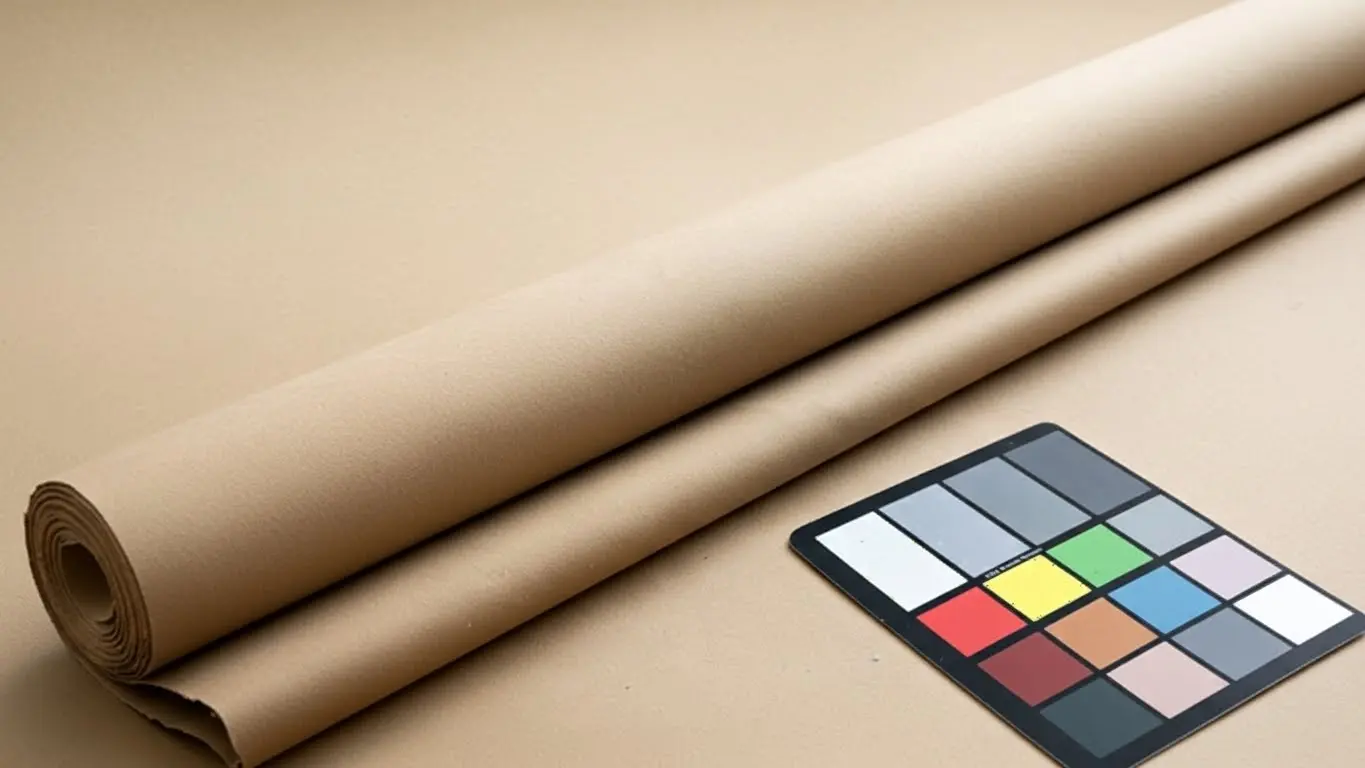
What Is Solution-Dyed Fabric?
Solution-dyed fabric is engineered differently from traditional dyed textiles. Instead of applying color after production, pigments are mixed directly into the liquid polymer before the fiber is formed. This process embeds the color throughout the entire fiber strand.
- 💡 Color pigments are blended into the polymer solution before fiber extrusion.
- ✅ The color becomes part of the fiber’s molecular structure, not just on its surface.
- 🚀 Common fibers used include polyester, acrylic, nylon, and polypropylene.
Because the pigment is locked within each filament, the result is a fabric that resists fading, UV damage, and wear far better than any surface-dyed alternative—perfect for long-lasting outdoor use.
Key Advantages and Data Comparison
Our experience with commercial-grade outdoor materials shows that solution-dyed fabric dominates in both performance and sustainability. Here’s how it stacks up against traditional dyeing methods:
| Feature | Solution-Dyed Fabric ✅ | Traditional Dye ❌ |
|---|---|---|
| Water Usage | 80% less (no immersion needed) | Requires large dye baths |
| UV Resistance | Thousands of hours before fading | Color fades within months in direct sunlight |
| Chemical & CO2 Output | Lower waste and emissions | High wastewater and energy use |
| Color Penetration | Pigment runs through 100% of fiber | Surface layer only |
| Stain & Mildew Resistance | Non-porous surface resists absorption | More porous and prone to staining |
These combined advantages make solution-dyed fabrics the top choice for commercial umbrellas and outdoor furnishings designed to withstand years of sunlight, washing, and weather exposure.
Why Solution-Dyed Fabric Lasts Longer: The Science Behind Durability
The remarkable fade resistance of solution-dyed fabric comes down to material science. By locking the color at the molecular level, the pigment can’t wash off, bleach, or degrade easily under environmental stress.
- ✅ Molecularly integrated pigments prevent fading from UV rays, chlorine, saltwater, and detergents.
- 💡 Less porous fibers resist dirt and inhibit mildew growth.
- 🚀 Reinforced fiber structure reduces microfiber shedding and fabric thinning during washing.
- ⚙️ While traditional dyes wear through rubbing, solution-dyed fibers keep their color even after surface abrasion.
This technology ensures that a fade resistant patio umbrella retains its deep, rich color season after season, even under intense sunlight and frequent cleaning.
Environmental and Practical Benefits for Commercial Patio Umbrellas
Beyond vibrant color retention, solution-dyed fabrics support sustainability and cost efficiency—critical factors in large-scale hospitality and retail projects.
- 💧 Up to 80% reduction in water use and no chemical discharge in production.
- 🌱 Lower energy use and a smaller carbon footprint.
- 🕒 Longer fabric life reduces replacement frequency and operational waste.
- ✅ Superior resistance to stains, mildew, and saltwater, ideal for poolside or coastal environments.
- 🏖️ Perfect for commercial patio umbrellas where durability, sustainability, and long-term value are essential.
In our experience manufacturing contract-grade outdoor furniture, pairing solution-dyed fabric with robust aluminum or teak frames ensures every fade resistant patio umbrella performs flawlessly across years of demanding use in resorts, cafés, and retail spaces.
Comparing Sunbrella with Other Fade-Resistant Fabrics
Sunbrella leads the premium fade-resistant fabric market with outstanding color retention and UV protection. Alternatives like Outdura and Tempotest offer similar durability at lower costs, while budget fabrics such as polyester and olefin provide affordability but compromise on longevity and colorfastness.
When selecting fabric for a fade resistant patio umbrella, understanding how each material performs under UV exposure can save money and frustration in the long run. Here’s an expert comparison outlining the differences between leading options such as Sunbrella, Outdura, Tempotest, polyester, and olefin.
Key Fabric Comparison Metrics
| Fabric | Material Composition | Fade Warranty | Color Fastness (1–8) | UV Resistance | Durability Highlights |
|---|---|---|---|---|---|
| Sunbrella | 100% solution-dyed acrylic | 5–10 years | 8/8 | ✅ Top-tier | Mold and mildew resistant |
| Outdura | Solution-dyed acrylic | 5–10 years | 8/8 | ✅ Excellent | Water and stain resistant |
| Tempotest | Solution-dyed acrylic | 5–8 years | 8/8 | ✅ Excellent | Affordable alternative to Sunbrella |
| Polyester | Synthetic blend | 2–3 years | 4–5/8 | ⚠️ Moderate | Less durable overall |
| Olefin | Solution-dyed synthetic fiber | 1–2 years | 4/8 | ⚠️ Weak | Quick drying, less fade resistance |
From our experience manufacturing contract-grade umbrellas, Sunbrella consistently delivers the best fade performance. Outdura and Tempotest follow closely as durable and price-balanced solutions.
Durability, Maintenance, and Cost Considerations
- ✅ Sunbrella’s Color to the Core™ technology keeps pigment evenly distributed through each fiber, reducing visible wear from UV exposure.
- 💡 The average lifespan is 8–10 years, lowering replacement frequency compared to polyester or olefin, which last just 1–3 years.
- ✅ Outdura and Tempotest offer similar resilience at mid-premium prices, suitable for commercial umbrellas where heavy traffic is expected.
- ⚠️ Budget options may look good at purchase but incur extra maintenance and replacement costs within a few seasons.
While the upfront price for high-end acrylic fabrics is higher, their long-term performance often makes them the more economical choice for patios or resort environments that face strong sunlight year-round.
Practical Recommendations Based on Use Cases
- ✅ For high-traffic commercial or resort areas, choose Sunbrella Marine or Awning grades with 10-year warranties or Outdura for consistent color durability.
- 💡 Homeowners with strong sunlight exposure should consider Sunbrella Upholstery fabric or Tempotest for good UV resistance at balanced cost.
- ⚙️ For covered patios or shaded balconies, polyester or olefin provides reasonable durability and cost savings.
- 🌊 Olefin’s quick-drying nature makes it ideal for poolside zones even though it fades faster than acrylic options.
Matching fabric type to environmental exposure and usage intensity ensures better value and longevity for your fade resistant patio umbrella setup.
Common Misconceptions About Fade Resistance
Fade resistance is not absolute. It’s a spectrum influenced by material type, dye process, and sun exposure. Premium acrylics like Sunbrella and Outdura can maintain brightness for 5–10 years, while polyester often shows fading within 2–3 seasons.
In field testing under strong UV conditions, visible differences appear after just one summer when comparing high-end acrylics with low-cost synthetics. This highlights how fiber chemistry plays a major role in longevity and appearance.
Selecting materials without considering climate or daily exposure often leads to premature fading and added expense—something our long-term commercial clients have learned to avoid through experience-driven choices.
Launch Your Custom Outdoor Shade Solution with Confidence
Partner directly with a trusted manufacturer offering premium commercial umbrellas engineered for durability and innovation. Benefit from low MOQs, seamless global logistics, and tailored OEM/ODM customization designed to elevate your brand.

How to Choose a Fade-Resistant Patio Umbrella
Choosing a fade-resistant patio umbrella requires evaluating fabric type—prioritizing Sunbrella or solution-dyed blends over polyester—UV protection rating (aim for UPF 50+), and colorfastness standards (AATCC Level 4+). Premium fabrics offer fade warranties up to 5 years, outperforming standard polyester options.
A patio umbrella’s color longevity depends on the quality of its fabric and construction. Buyers aiming for lasting outdoor elegance should assess material type, UV standards, and warranty protection before purchasing.
Key Factors to Consider When Choosing Fabric
Fabric quality plays the most critical role in preventing fading. In our experience, commercial clients who invest in premium textiles see umbrellas maintain their color even after years of sun exposure.
- ✅ Premium fabrics like Sunbrella, Protexture, and solution-dyed blends embed color into the fiber itself, creating deeper, longer-lasting hues.
- ❌ Budget options such as standard polyester or olefin often lack fade warranties and lose color more quickly.
- 💡 Opt for higher-density materials (240gsm+) to boost durability and UV resistance.
- ✅ Solution-dyed fabrics last significantly longer than surface-dyed ones, preserving vibrancy over time.
Understanding UV Protection and Colorfastness Ratings
UV resistance protects not only the fabric but also the underlying color pigments. A strong UV rating ensures shade that retains its appeal and protection value throughout multiple seasons.
- ✅ Choose a UPF 50+ rating to block around 98–99.9% of UV rays.
- 💡 Reference AATCC colorfastness standards: Grade 5 delivers maximum fade protection, while Grade 4 suits typical residential use.
- ✅ Premium fabrics from brands like Sunbrella often reach Level 4–5, keeping color intact in direct sunlight.
Warranty and Pricing as Quality Indicators
Warranty length often mirrors material quality. Longer coverage means greater confidence in fade and weather resistance.
| Umbrella Type | Fade Warranty | Typical Price Range | Notes |
|---|---|---|---|
| ✅ Premium (Sunbrella, Bluu, Westshade) | 5 years | $399–$599+ | Includes UV and fade coverage, water resistance |
| ⚠️ Mid-range Acrylic Blends | 2–3 years | $250–$400 | Good compromise between price and durability |
| ❌ Budget Polyester | None | $120–$250 | Prone to fading within one season |
Additional Considerations for Long-Term Durability
Fade resistance is only part of an umbrella’s overall longevity. The frame and mechanical build determine how well it withstands outdoor conditions.
- ✅ Aluminum frames with rust-resistant ribs reduce corrosion and prolong service life.
- ⚠️ Fiberglass ribs are lightweight but can warp or break in high winds.
- 💡 Matching sturdy frames with solution-dyed fabric results in the best long-term commercial-grade performance.
Common Misconceptions About Fade Resistance
Many buyers assume that price or UV protection alone guarantees fade performance, but that’s only part of the equation.
- ⚠️ Not all UPF 50+ umbrellas maintain color—fade resistance depends on dye integration and testing grade.
- ✅ Mid-range acrylics can outperform higher-priced polyester when tested for colorfastness.
- 💡 While Sunbrella is a trusted standard, brands like Bluu and Westshade also provide strong warranties and excellent fade control.
Step-by-Step Guide to Selecting Your Patio Umbrella
This simple framework helps both homeowners and commercial buyers choose an umbrella that stays beautiful season after season.
- 1️⃣ Determine your budget:
- ✅ Under $350 – 2–3 year warranty models
- ✅ $350–$500 – 5-year fade warranty mid-range options
- ✅ $500+ – premium Sunbrella-grade coverage
- 2️⃣ Verify fabric labels for terms like “solution-dyed” or “Sunbrella”.
- 3️⃣ Check colorfastness testing—target AATCC Grade 4+.
- 4️⃣ Confirm fade warranty length, ideally 5 years for lasting performance.
- 5️⃣ Match your material choice to your climate—high-UV regions demand top-tier fabrics.
Maintenance Tips to Extend Umbrella Life
Extending umbrella lifespan requires a multi-faceted approach combining regular cleaning, proper storage, weather protection, and timely repairs. A well-maintained umbrella can serve for many years through simple preventive care that takes minimal time but prevents significant deterioration.
Homeowners investing in a fade resistant patio umbrella want to know their purchase will hold up season after season. In our experience, consistent maintenance, correct storage, and protective practices go a long way in keeping both the fabric and frame looking new.
Essential Maintenance Tasks and Schedule
Routine care keeps umbrellas performing reliably through heavy use and exposure. A planned schedule makes upkeep effortless and effective.
- 💡 Regular Cleaning: Wipe down weekly or bi-weekly to prevent dirt accumulation that wears out fabric and frame.
- 💡 Air Drying: After every use, leave the umbrella fully open until fabric is completely dry to stop mold growth.
- 💡 Storage Inspection: Check umbrellas each spring and fall to spot rust, loose joints, or seam damage early.
- 💡 Frame Tightening: Tighten all screws and bolts monthly to maintain a stable and safe frame structure.
- 💡 UV Protection: Keep umbrellas closed when not in use to reduce UV fading and extend color vibrancy.
- ⚠️ Mold/Mildew Treatment: For contamination, soak affected areas in a diluted bleach mix for about 15 minutes, rinse, and dry thoroughly.
Cleaning Techniques and Material Care
A gentle yet consistent cleaning process prevents weakening of protective coatings and color fading, especially for canopies treated to resist UV damage.
- 💡 Use a soft brush to remove surface dirt before washing with lukewarm water and mild soap.
- ⚠️ Avoid harsh chemicals or routine bleach use so the waterproof and fade-resistant coatings stay intact.
- 💡 For persistent stains, clean with a diluted bleach mix (max 15 minutes of contact) and rinse per manufacturer’s guidance.
- 💡 Condition wooden handles using a soft cloth and quality wood polish to preserve the surface finish and durability.
Storage Best Practices and Environmental Protection
Storage plays a vital role in umbrella longevity. Improper storage can shorten fabric life, cause fading, or lead to frame warping.
- 💡 Always ensure the umbrella is thoroughly dry before storage to prevent mold or odor.
- 💡 Keep umbrellas in a cool, dry place using breathable covers or original sleeves to block dust accumulation.
- ⚠️ Avoid stacking heavy objects on stored umbrellas to protect the frame and fabric from bending or compression damage.
- 💡 When not shading, keep canopies closed to reduce unnecessary UV exposure and frame strain from wind.
- 💡 Use covers or manufacturer-recommended fabric protectors to shield against dirt buildup and ultraviolet weakening.
Frame and Structural Maintenance
Umbrella strength depends heavily on its frame condition. Whether aluminum, steel, or wood, each needs consistent inspection to prevent costly damage.
- 💡 Check monthly for fabric tears, corrosion, or missing hardware so issues can be fixed before they worsen.
- 💡 Tighten screws and bolts regularly to maintain the umbrella’s alignment and overall balance.
- ⚠️ Remove rust immediately using a mild rust remover or steel brush, especially for metal or aluminum parts.
- 💡 For commercial or heavy seasonal use, schedule a full inspection before the high-use period each year.
Weather Protection Strategies
Outdoor conditions are among the biggest threats to umbrella life. Taking preventive steps against wind, rain, and intense sunlight helps preserve both functionality and appearance.
- 💡 Secure the umbrella with a heavy, stable base to avoid tipping during strong gusts.
- ⚠️ Close umbrellas during extreme or high wind events to keep fabric from tearing and reduce frame strain.
- 💡 Always cover umbrellas when not in use to block UV rays and dirt buildup.
- 💡 For extra protection, apply manufacturer-approved fabric and water-repellent sprays to strengthen weather resistance.
Repair versus Replacement
Minor repairs often restore umbrellas at a fraction of replacement cost. Taking a proactive approach saves both time and resources.
- 💡 Patch small fabric tears using compatible repair kits to prevent spreading.
- 💡 Replace worn or damaged parts such as screws, canopy sections, or crank joints rather than discarding the full umbrella.
- 🚀 Rotate multiple umbrellas through the season to distribute wear more evenly and increase total lifespan.
Consistent preventive care helps even affordable patio umbrellas compete with premium brands in performance. For clients investing in fade-resistant solutions, these maintenance practices ensure that fabric color and mechanical reliability stay intact for many years.
Frequently Asked Questions About Patio Umbrellas
What is the most fade-resistant umbrella fabric?
In our experience supplying contract-grade umbrellas to resorts and retailers, the most fade-resistant fabric is solution-dyed acrylic. Brands like Sunbrella® are known for this type of material.
Each fiber is dyed before the yarn is woven, which locks in color and resists UV degradation. It typically withstands over 2,000 hours of direct sun exposure before noticeable fading occurs, making it ideal for long-term outdoor use.
How long does a Sunbrella umbrella last?
A well-maintained Sunbrella umbrella can last between 7–10 years in residential settings and around 5–7 years in commercial use.
These fabrics are engineered to resist fading, mold, and water penetration. Regular cleaning and storing the umbrella during prolonged bad weather will further extend its lifespan.
Why did my patio umbrella turn white?
When a fabric umbrella starts turning white, it’s usually due to surface chalking caused by UV breakdown or detergent residue from cleaning. This happens when the pigment layer deteriorates or builds up with salts.
If your umbrella fabric wasn’t solution-dyed, fading and whitening can appear within the first season. Investing in a fade resistant patio umbrella from a certified manufacturer helps avoid this early wear.
Is Olefin fade resistant?
Olefin is moderately fade resistant thanks to its UV-stable polyolefin fibers. It performs best in low to medium sun exposure areas but tends to show fading faster than acrylic fabrics in tropical climates.
For commercial installations or high UV zones, we recommend specifying solution-dyed acrylic to maintain color vibrancy for several years longer than olefin alternatives.
Can I spray my umbrella to stop fading?
Yes, applying a UV-protection fabric spray can slow fading, but it’s more of a preventive measure than a cure. The spray adds a temporary barrier against sun damage and water penetration.
We suggest reapplying every 2–3 months for best protection. For professional-grade settings, starting with solution-dyed acrylic ensures built-in fade resistance without the need for frequent re-spraying.
Final Thoughts
Choosing a fade-resistant patio umbrella comes down to investing in long-lasting materials and informed design. Solution-dyed fabrics like Sunbrella, Outdura, and Tempotest outperform budget polyester thanks to their integrated color pigments and superior UV protection. When paired with sturdy, corrosion-resistant frames and proper maintenance, they deliver years of consistent color and dependable shade without continual replacements.
For homeowners and commercial buyers alike, this approach protects budgets and maintains outdoor aesthetics across multiple seasons. Prioritizing fabric quality, UV ratings, and warranty coverage ensures safer investments and fewer disruptions. Working with a trusted supplier that sources genuine solution-dyed fabrics can streamline selection and guarantee durability that aligns with both visual and financial goals.


 English
  Spanish
  French
  German
  Portuguese