


Specifying products for a Marine Environment is a high-stakes decision where a single material choice dictates profitability. Choosing a standard steel frame for a coastal hotel guarantees premature failure, triggering costly, non-warrantable replacements that erode client trust and your bottom line.
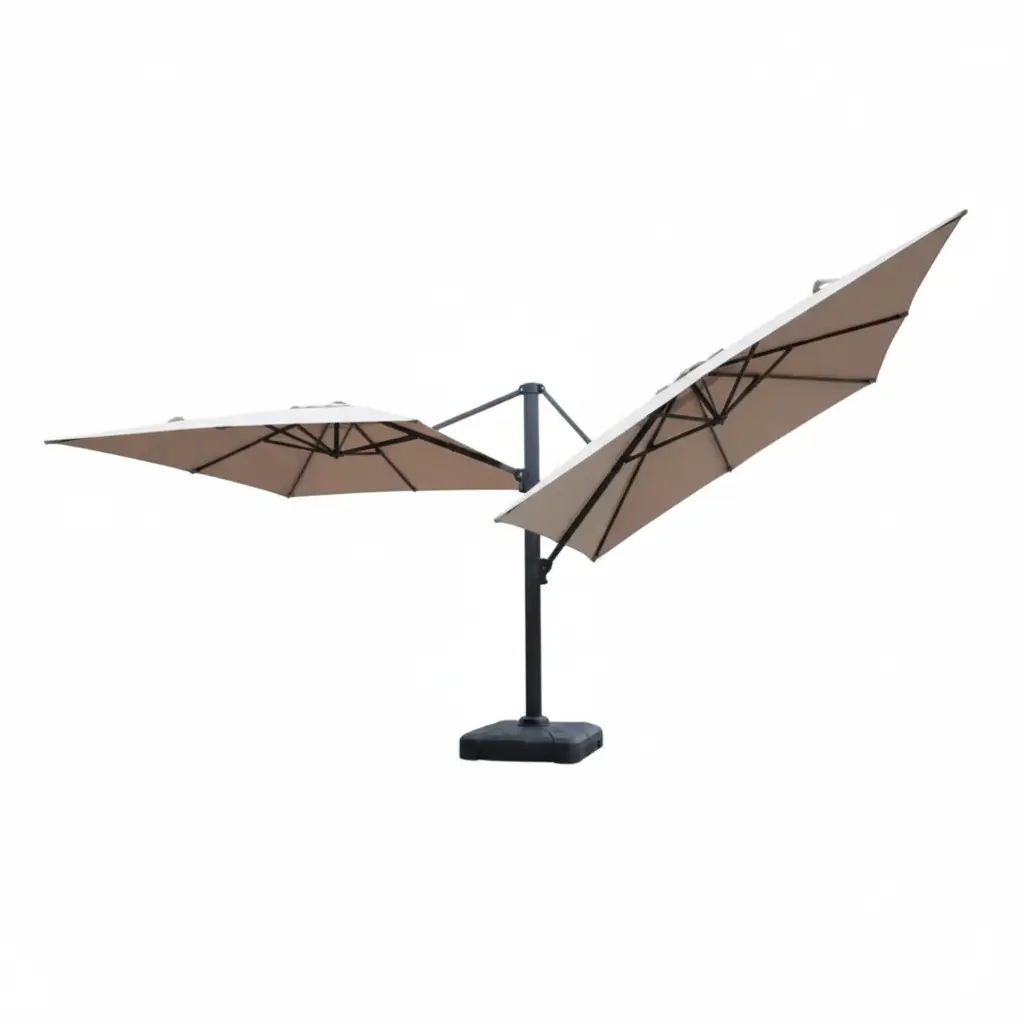
This technical breakdown clarifies the ISO C5 corrosion rating and the mechanics of salt creep. We contrast the performance of powder-coated steel against all-aluminum frames, like the Roma PTZHU-020, to provide clear material guidelines for high-risk coastal and poolside contracts.
What Are the C1 to C5 Corrosion Zones and Which One Are You In?
ISO 12944-2 zones (C1-C5) classify environmental corrosivity from indoor (C1) to marine (C5). Your project’s location and climate dictate the zone and required material durability.
Choosing the right frame material comes down to understanding your environment. The ISO 12944-2 standard gives us a simple framework for this, ranking atmospheric corrosivity from C1 (very low) to C5 (very high). Getting this wrong means premature failure and unhappy clients. Getting it right means specifying a product that lasts. This table breaks down each zone and matches it with the correct material choice for our outdoor furniture range.
| Zone | Environment & Corrosivity Level | Typical Examples | Recommended Frame Material |
|---|---|---|---|
| C1 | Very Low | Controlled indoor spaces like offices, shops, and hotels. | Powder-Coated Steel |
| C2 | Low | Rural areas or unheated buildings where condensation can occur, such as warehouses. | Powder-Coated Steel |
| C3 | Medium | Urban areas with moderate pollution or coastal zones with low salinity. Suitable for most residential patios. | Powder-Coated Steel |
| C4 | High | Chemical plants, swimming pools, and coastal areas with moderate salinity. | Premium Aluminum |
| C5 | Very High (Marine) | Coastal and offshore locations with high salinity and direct salt spray exposure. | Premium Aluminum |
For the majority of inland commercial and retail projects, our powder-coated steel frames provide more than enough rust resistance for C1 to C3 zones. But for any contract work in C4 or C5 environments—especially coastal hotels, resorts, or high-humidity locations—specifying our premium aluminum frames is the only reliable option. Aluminum is naturally rust-proof and provides the long-term durability your clients expect in those harsh conditions.
What Is “Salt Creep” and How Does It Get Under Paint?
Salt creep is the crusty residue left after saltwater evaporates. It gets under paint through microscopic cracks, where expanding salt crystals corrode the metal and force the paint to bubble off.
The Mechanism of Salt Evaporation and Crystal Formation
The process starts when airborne saltwater mist settles on a surface. As the water component evaporates, it leaves behind highly concentrated salt crystals. These tiny, abrasive crystals work their way into microscopic pores, scratches, or imperfections in a paint finish. This creates an entry point for moisture and corrosion to begin, attacking the metal from beneath the protective layer.
Why a Powder-Coated Finish Is a Critical Barrier
To prevent this, our steel furniture frames are protected with a thick, non-porous layer of powder coating. This finish creates a seamless and durable barrier that completely seals the metal from any contact with salt-laden moisture. We use an Anthracite Powder Coating specifically for its proven durability and rust-resistant properties in tough outdoor environments, effectively stopping salt creep before it can start.
Get Commercial Umbrellas Engineered for 5+ Years of ROI.

Chlorine vs. Salt Water: How Do Their Chemical Attacks Differ?
Traditional chlorine pools have high chemical spikes and form irritating chloramines. Saltwater pools are steadier but introduce corrosive salt spray, creating two distinct threats for furniture.
Chloramine Formation vs. On-Site Chlorine Generation
The main issue with traditional chlorine pools isn’t just the chlorine itself, but the chemical byproducts. Manually adding chlorine tablets or liquid creates concentration spikes. These high levels react with organic matter (like sweat and sunscreen) to form chloramines. This is what causes the classic “chlorine smell,” irritates eyes, and actively degrades furniture finishes.
Saltwater systems work differently. They use electrolysis to generate pure chlorine from salt at a low, consistent rate. This automated process avoids the harsh chemical spikes, which means significantly less chloramine buildup. The result is a gentler environment for people, but the constant, fine salt spray introduces a different corrosive threat to metal components.
Resisting Corrosion with Powder-Coated Steel and Aluminum Frames
We engineer our umbrella frames specifically for these poolside environments. For our standard steel frames, we apply a protective anthracite powder-coating. This creates a tough physical barrier that shields the metal from both direct chlorine splashes and the airborne salt that causes oxidation.
For commercial clients or projects in harsh coastal zones, we specify our high-strength aluminum frames. Aluminum is inherently rust-proof, so it provides superior, long-term resistance to the corrosive salt atmosphere common to saltwater pools without relying solely on a coating. This makes it the premium choice for maximum durability.
What Is Galvanic Corrosion? (The Danger of Mixing Aluminum and Steel)
Galvanic corrosion is an electrochemical reaction that rapidly degrades a less noble metal, like aluminum, when it touches a more noble one, like steel, in saltwater. The metals create a battery, and the aluminum corrodes much faster than it would alone.
How a Simple ‘Battery Effect’ Destroys Metal
This reaction happens when you have three things: two different metals, direct contact between them, and an electrolyte like saltwater. Think of an aluminum umbrella frame fastened with steel bolts. In a coastal environment, the saltwater acts as a conductor, turning the connection point into a small battery.
In this setup, the less noble metal—aluminum—becomes the “anode.” It starts to dissolve or corrode at a much faster rate. The more noble metal—steel—becomes the “cathode” and is protected from corrosion. The steel essentially sacrifices the aluminum to preserve itself, which leads to rapid structural failure at the joint.
Why Premium Umbrellas Use All-Aluminum Structures
The most effective way to prevent this failure is to avoid mixing metals in the first place. Our premium Roma Series umbrellas, like the PTZHU-020, are built with all-aluminum frames, poles, and components. By using a single material, we completely eliminate the trigger for galvanic corrosion, ensuring long-term structural integrity in demanding commercial and coastal settings.
For our standard models that use steel components, we apply a thick anthracite powder coating. This coating creates a durable, non-conductive barrier that isolates the steel from other metals and the environment. It’s a practical way to prevent direct contact and stop the corrosive battery effect before it can start.
How Does Humidity Act as an Invisible Killer for Outdoor Furniture?
High humidity lets furniture absorb moisture, causing mold, rot, and warping. On metals, it partners with airborne particles to accelerate rust and structural failure.
Why High Humidity Leads to Mold and Warping
Humid air is loaded with moisture, and porous materials like wood and fabric cushions act like sponges, absorbing and retaining that water. This isn’t just a surface-level issue; the moisture gets trapped deep inside the material.
Once trapped, that moisture creates the perfect breeding ground for mold and mildew. This results in stains and odors, but more importantly, it causes the material itself to break down. For wood, the constant absorption of water causes it to swell, twist, and warp. Left unchecked, this process leads directly to rot, destroying the furniture’s structural integrity.

Using Powder-Coated Steel to Fight Corrosion
Humidity is also a major catalyst for rust on any unprotected metal. The moisture in the air creates the electrolytic environment needed for corrosion to take hold and spread rapidly.
To combat this, our steel frames get an Anthracite powder coating. This isn’t just paint. The coating is electrostatically applied and then cured under heat to form a hard, durable barrier. This finish completely seals the metal from direct contact with moist air, effectively stopping the rusting process before it can even start. It’s a necessary step to ensure the furniture has a long service life, especially in damp or coastal climates.
Is “Rust Proof” a Myth? (Why Everything Corrodes Eventually)
The term “rust proof” is a marketing concept. All metals eventually corrode. Quality manufacturing slows this process with corrosion-resistant materials and protective coatings to ensure long-term durability.
You see the term “rust proof” thrown around, but in the real world, it’s not a permanent state. Every metal reacts with its environment. The real job of a manufacturer isn’t to fight a losing battle against physics, but to manage the rate of corrosion so the product delivers a long, reliable service life for your customers.
Why ‘Corrosion-Resistant’ Is a More Accurate Term
All common metals will oxidize when exposed to oxygen and moisture. This natural process is the root of all corrosion. The goal of any protective measure is to dramatically slow down this chemical reaction, not to stop it forever. Materials like aluminum are excellent examples; they are highly resistant to corrosion because they form a protective oxide layer, but they aren’t permanently immune to degradation, especially over many years in harsh environments.
How We Use Powder Coating on Steel Frames
We apply these principles directly to our products. Our steel-framed umbrellas, common in our cost-effective Market and Banana series, are treated with a layer of Anthracite or Black powder coating. This coating creates a durable physical barrier, sealing the steel from direct contact with corrosive elements like rain and humidity. It’s a reliable method to provide effective rust resistance, balancing longevity with the price point our volume-driven retail clients require.

Total Cost of Ownership (TCO): Is Marine Grade Cheaper Than Annual Replacement?
Yes, marine-grade is cheaper over its lifetime. The high initial cost is offset by durability and avoiding the recurring expense and labor of annual replacements.
The TCO Calculation: Upfront Price vs. Lifetime Value
Total Cost of Ownership looks past the initial purchase price. It forces you to compare that price against the product’s entire lifespan and the maintenance it requires. It’s a simple financial model that exposes the hidden costs of buying cheap.
Low-cost outdoor furniture often needs to be replaced every year in harsh coastal zones. Those annual replacement costs, including labor and disposal fees, quickly add up. They can easily surpass the one-time investment in a durable, well-built product within just a few seasons.
The calculation also includes risk. Quality materials prevent sudden structural failures and the expensive emergency repairs that follow. A budget that isn’t constantly being drained by replacements is a more predictable and stable budget.
The Advantage of Aluminum Frames and PA-Coated Fabrics
This TCO principle is clear when you look at materials. Our premium cantilever umbrellas, like the heavy-duty Roma series (PTZHU-020), use rust-proof aluminum frames. Standard steel frames will corrode and fail in humid or salty air, but aluminum won’t. This eliminates a primary point of failure and a common reason for replacement.
The same logic applies to the canopy. We use fabrics with a PA (Polyamide) coating on our commercial-grade models. This treatment provides superior water resistance and durability, extending the canopy’s functional life and preventing premature tearing or fading.
These features aren’t just for show; they are engineered for commercial longevity. For a hotel or resort, this directly lowers the Total Cost of Ownership by pushing the replacement cycle out for years, not months.
What Warranty Exclusions Should You Watch for in Coastal Zones?
In coastal zones, warranties exclude damage from corrosion, rust, and mold. These are seen as predictable results of the environment or poor maintenance, not manufacturing defects.
Exclusions for Corrosion and Normal Wear
Let’s be blunt. No factory warranty will cover rust or corrosion on furniture used near the ocean. Manufacturers view this as a predictable outcome of saltwater exposure, not a defect in their product. Claims tied to predictable wear and tear or a clear lack of regular maintenance—like rinsing salt off the frame—are also typically denied.
How Material Choice Affects Warranty Reality
This is where material selection becomes critical. Since you can’t rely on a warranty to cover environmental damage, you have to choose a frame that can handle the conditions. Our premium umbrellas, like the heavy-duty Roma series, use aluminum frames. Aluminum is naturally rust-proof and is the correct material for high-humidity and salt-air zones. In contrast, standard steel frames rely entirely on a powder-coating for rust resistance. If that coating gets scratched or compromised by constant salt exposure, corrosion can begin. Steel requires much more diligent upkeep to prevent issues in these environments.
Frequently Asked Questions
What defines marine grade outdoor furniture?
Marine grade outdoor furniture is engineered with materials designed to resist harsh coastal conditions like salt water, high humidity, and intense UV rays. Common materials include marine grade polymer (MGP), specially treated aluminum, and solution-dyed acrylic fabrics. These materials prevent corrosion, fading, and moisture damage, making them ideal for coastal homes, resorts, and poolside areas.
Will a standard aluminum umbrella corrode near the ocean?
Yes, while aluminum doesn’t rust like iron, standard aluminum will corrode when exposed to salt air and moisture, causing it to flake and weaken. Marine-grade aluminum is specifically alloyed to create a protective oxide layer that resists this type of salt-induced corrosion, ensuring durability and a longer lifespan in coastal environments.
What does a C5 corrosion rating mean for outdoor products?
A C5 rating, based on the ISO 12944 standard, signifies a ‘very high’ level of corrosion resistance for the most aggressive environments, such as coastal and marine areas with high salinity. Products with a C5 rating have protective coatings tested to withstand extreme humidity, salt spray, and chemical exposure, ensuring maximum durability in harsh conditions.
What is the typical lifespan of a beach umbrella?
A typical beach umbrella lasts 3-5 years, but this depends heavily on material quality and maintenance. Constant UV exposure can degrade the fabric’s strength and color, while salt air can corrode the frame. Umbrellas made with high-quality, UV-resistant fabrics and corrosion-resistant poles, combined with regular cleaning and proper storage, can last significantly longer.
Final Thoughts
While our powder-coated steel frames meet the price point for C1-C3 zones, specifying our all-aluminum Roma series is the only way to safeguard your reputation in coastal markets. This isn’t a technical choice; it’s a business decision to eliminate rust claims and protect client trust. Your margin depends on selling a product engineered for the environment, not one that constantly fights it.
Don’t risk an entire container order on a spec sheet—verify the engineering firsthand. We recommend requesting a sample of our heavy-duty Roma PTZHU-020 to validate its marine-grade construction and finish quality. Contact our team to discuss your OEM requirements and secure inventory for your next project.



 English
  Spanish
  French
  German
  Portuguese