


Effective maintenance planning is the primary defense against warranty claims driven by customers confusing cosmetic tea staining with structural rust. This common misunderstanding erodes profitability through unnecessary returns and damages B2B relationships, particularly on high-volume, promotional-grade orders.
This brief outlines the exact care protocol for our Phosphated and Powder Coated steel frames. We detail why a simple weekly rinsing schedule is critical for seasonal equipment, enabling you to manage customer expectations and reduce service calls from the start.
Tea Staining vs. Red Rust: How Do You Tell the Difference?
Tea staining is a cosmetic brown discoloration on stainless steel in coastal areas; it doesn’t harm the metal. Red rust on standard steel indicates structural decay that weakens the material.
Identifying Cosmetic Stains vs. Structural Corrosion
Knowing the difference comes down to recognizing a surface issue versus a material failure. Tea staining looks bad but is harmless. Red rust is a clear sign the steel is actively breaking down.
| Characteristic | Tea Staining (on Stainless Steel) | Red Rust (on Standard Steel) |
|---|---|---|
| Appearance | A thin, brown or dark red discoloration that follows the surface grain of the metal. | Flaky, bubbling, or pitted corrosion that eats into the metal. |
| Structural Impact | Purely cosmetic. It does not affect the material’s structural integrity or longevity. | Indicates the underlying steel is breaking down and losing strength. |
| Common Location | Primarily found in coastal or marine environments due to salt exposure on stainless steel. | Can occur on any unprotected standard steel component exposed to moisture. |
How Phosphating and Powder Coating Prevents Red Rust
Our products use standard steel frames, so preventing destructive red rust is the priority. We use a two-step process designed for reliable performance in typical outdoor settings.
- First, our steel components are treated with phosphating. This is an acid wash pre-treatment that cleans the metal surface and prepares it for a durable bond.
- Next, we apply a final powder coating. This layer creates a tough, sealed barrier that blocks moisture and oxygen from reaching the steel, effectively preventing red rust from forming.

What Is the Ideal Maintenance Schedule? (Why Weekly Rinsing Matters)
Your maintenance schedule depends on the environment. For our standard steel frames, a simple weekly rinse is the best way to prevent rust and extend product life.
How Environment and Usage Dictate Frequency
There is no single “ideal” maintenance schedule. The right frequency depends entirely on your specific conditions. Furniture in a harsh coastal area with salt spray needs far more attention than pieces sitting in a dry, inland climate. The same logic applies to usage—a cafe patio set used daily will show wear faster than a residential umbrella used only on weekends.
Our recommendations provide a baseline. You should adjust that baseline based on what you see in the real world. If you notice grime or salt building up, it’s time to clean, regardless of what the calendar says.
Why Weekly Rinsing is Critical for Phosphated Steel Frames
Our steel frames are treated with a standard Phosphating and Powder Coating process. This offers basic rust resistance that’s perfectly suitable for seasonal, promotional-grade products. It’s not designed to be maintenance-free, especially in tough environments.
A simple weekly rinse with fresh water is the most effective action you can take. It washes away corrosive deposits like salt, pollen, and bird droppings before they have a chance to eat through the powder-coated layer. This small, consistent effort is what maximizes the lifespan of budget-friendly furniture, particularly in marine zones or areas with heavy pollution.
Get Durable, Custom Umbrellas Factory-Direct

What Is Passivation and How Does It Restore the Chromium Oxide Layer?
Passivation uses an acid bath to strip free iron from a metal’s surface. This lets chromium react with oxygen, forming a protective chromium oxide layer that prevents rust.
The Role of Acid in Removing Surface Iron
The process starts with an acid bath, usually nitric or citric acid. This chemical treatment doesn’t add a layer; it purifies the existing surface by dissolving contaminants. Its main target is “free iron”—microscopic loose particles left over from manufacturing that are the primary starting points for rust when exposed to moisture.
By chemically removing this iron, the treatment leaves behind a surface that is richer in chromium. This cleaned, chromium-heavy surface can then react with oxygen in the air. Over the next 24 to 48 hours, it forms a thin, stable, and passive chromium oxide film that acts as a barrier against corrosion.
How Phosphating Pre-Treats Our Steel Frames
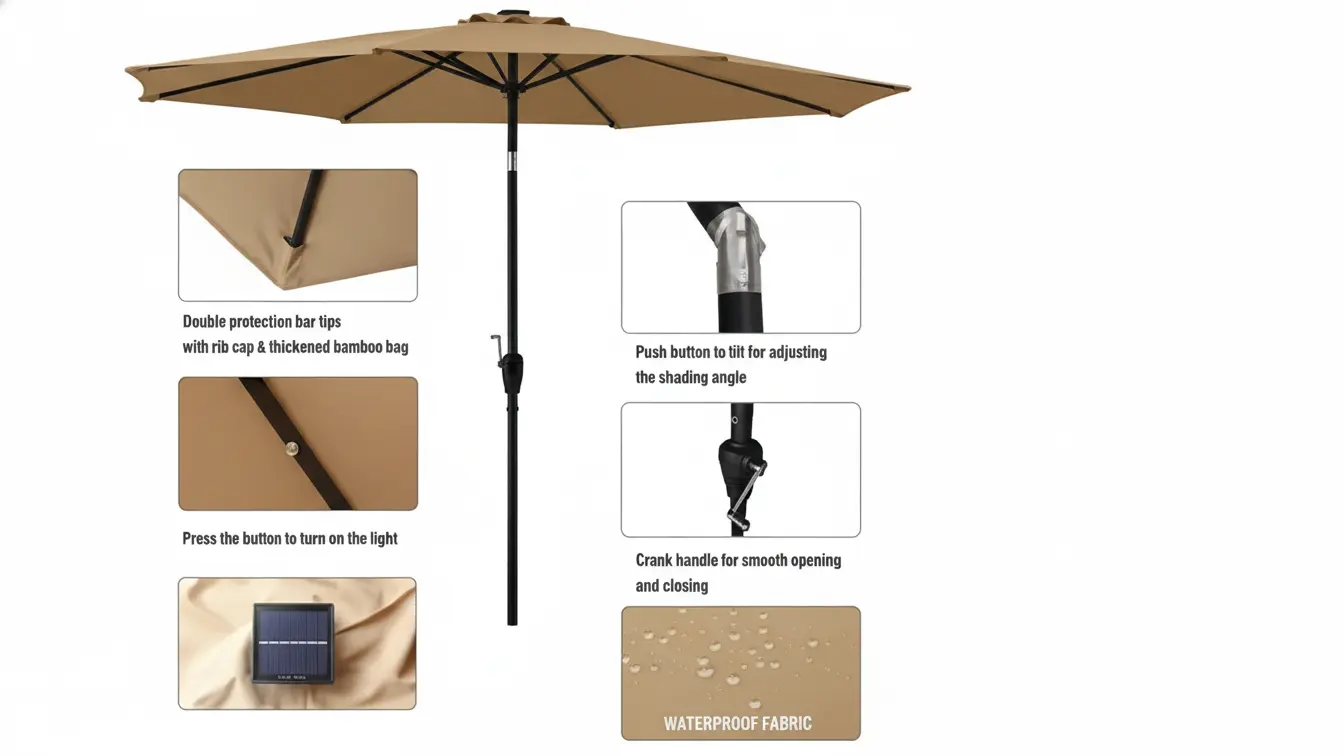
We apply a similar principle to our steel umbrella frames through a process called Phosphating. This is an acid wash pre-treatment that cleans the raw steel and improves its corrosion resistance. It provides the foundational rust protection needed for typical outdoor use and creates a better surface for the final powder coating to grip, ensuring a more durable finish.
Which Cleaning Products Are Best: Citrisurf or Scotch-Brite?
CitriSurf and Scotch-Brite are not competitors; they work together. CitriSurf chemically passivates steel, while Scotch-Brite pads mechanically scrub heavy rust during the treatment.
CitriSurf: The Chemical Cleaner and Passivator
CitriSurf is a citric acid-based solution that does the chemical heavy lifting. Its job is to remove the free iron contaminants from a steel surface that cause rust to form in the first place. By clearing out this contamination, it allows the steel’s natural protective chromium oxide layer to rebuild. Different formulations exist for different jobs. CitriSurf 77 Plus is a simple ready-to-use spray, while thicker gels like 2310 are designed to cling to vertical surfaces without running.
Scotch-Brite: The Mechanical Abrasive Aid
A Scotch-Brite pad is just a tool in this process, not a standalone cleaner. It functions as a non-metallic abrasive used to physically break up and remove heavy corrosion. You don’t use it instead of CitriSurf; you use it *with* CitriSurf. The correct procedure is to apply the chemical solution, let it work, and then use the pad to scrub any stubborn, built-up rust before rinsing everything clean. Many cleaning kits bundle them together for exactly this reason.
Why Is the Term “Maintenance Free” a Myth in Marine Zones?
In marine zones, “maintenance-free” doesn’t exist. The corrosive saltwater environment constantly attacks materials, so regular cleaning is essential to prevent premature failure and maintain appearance.
The Impact of Saltwater and Atmospheric Corrosion
The air in coastal areas is filled with high levels of salt and moisture. This salty mist settles on every surface and aggressively accelerates corrosion on metal components. It’s not a one-time exposure; it’s a continuous chemical attack.
Even durable materials with protective coatings are under constant assault. The dynamic coastal environment—with its wind, humidity, and direct salt spray—works to break down those protective layers over time, making regular upkeep a simple necessity.
Performance Limits of Standard Protective Coatings
To be clear about our products, our steel components are treated with a Phosphating wash and then powder coated. This process provides solid, basic rust resistance that performs well in standard outdoor settings away from the coast.
But this finish is not designed for direct marine exposure. If you place these products in a coastal or poolside area, they will need frequent rinsing with fresh water. Removing the salt deposits is the only way to prevent the coating from breaking down and stop premature corrosion from starting.
Protecting Aluminum: Should You Use Car Wax or Ceramic Coating?
Ceramic coatings offer durable 2-5 year protection against chemicals and UV rays. Wax is a cheaper, temporary fix lasting only 1-3 months, requiring frequent reapplication.
Comparing Durability and Protection Levels
The main difference comes down to chemistry and lifespan. Ceramic coatings create a hard, semi-permanent bond with the surface, while wax is just a soft layer sitting on top. This fundamental distinction drives every other performance gap between them.
- Ceramic Coating: Provides 2-5 years of solid protection. It forms a durable shield that blocks up to 95% of UV rays and offers robust resistance to chemical contaminants like bird droppings or acid rain.
- Car Wax: Lasts only 1-3 months before it degrades and needs to be reapplied. It acts as a simple sacrificial layer, providing good water beading that fades quickly and offers almost no real chemical defense.
How Factory Powder Coating Influences the Decision
It’s important to remember what you’re working with. Our aluminum components already ship with a powder coating finish. This is the primary layer providing rust and corrosion resistance, and it’s engineered specifically for the product’s intended use.
We design these products for seasonal, promotional-grade applications. The factory finish aligns with that market position. For these surfaces, applying a simple car wax can temporarily boost the shine for a customer. But investing in a high-cost, long-life ceramic coating is usually not necessary or cost-effective for this product tier.
How Do You Lubricate Locks to Prevent Salt Seizure?
Flush the lock with deionized water and dry it completely. Apply a corrosion inhibitor, then a dry lubricant like graphite or PTFE. Never use WD-40 or heavy grease.
The Correct Preparation and Cleaning Protocol
The first step isn’t lubrication, it’s decontamination. Salt crystals are the enemy, and they must be removed completely. Flush the lock’s internal mechanism and crevices using deionized water. Regular tap water contains minerals that can contribute to corrosion, so stick with deionized. Once flushed, the lock must be dried thoroughly. Trapped moisture is the catalyst for rust, so let it sit in a warm, dry area for at least four hours.
Before adding any lubricant, you need to protect the bare metal. Apply a dedicated corrosion inhibitor like Boeshield T-9 or CRC 2-26. These products create a protective film that shields the metal components from oxidation caused by any lingering salt or moisture.

Selecting a Lubricant and What to Avoid
For locks in salty environments, a dry lubricant is the only reliable choice. These products don’t leave a wet, sticky film that attracts dirt, dust, and moisture. Your best options are a graphite powder or a PTFE-based spray. The spray versions are often better because the solvent carrier helps the lubricant penetrate deep into the lock mechanism before evaporating, leaving only the dry protective particles behind.
Avoid common products that actually make the problem worse. Penetrating oils like WD-40 are not true lubricants; they leave a hygroscopic residue that attracts moisture and gums up the works over time. And never use heavy automotive grease. It’s far too thick for the delicate tumblers and pins inside a lock and will eventually cause them to jam completely by trapping debris.
Staff Training SOP: How Should Resorts Train Their Teams on Maintenance?
Train teams with a structured program covering onboarding, hands-on skills, and regular refreshers. Focus on specific product care, like closing umbrellas in wind and proper cleaning methods.
Core Training Structure: Onboarding and Skill Development
A consistent training program is the only way to protect your furniture investment and ensure guest safety. It prevents guesswork and standardizes how your team handles equipment. The structure doesn’t need to be complicated, but it must be consistent for every new hire and reinforced for the existing team.
The training should be broken down into three key phases:
- Initial Orientation: Every new technician gets a full tour of the property. They need to know the layout, the location of critical infrastructure, and all safety protocols before they touch any equipment.
- Supervised, Hands-On Training: Classroom theory is not enough. New staff must work alongside a supervisor, using the actual equipment they will be maintaining. This bridges the gap between reading a manual and doing the job correctly.
- Ongoing Refresher Sessions: Schedule mandatory refreshers every six months. Use this time to cover any updated procedures, review chemical handling safety, and address common issues the team has been facing.
Product-Specific Protocols: Umbrellas and Frames
General maintenance skills are useful, but they won’t prevent damage to budget-friendly, high-volume outdoor furniture. Your training SOP must include precise instructions tailored to the products you actually use. For most promotional-grade patio furniture, this comes down to wind, fabric, and frames.
Your team must be trained on these non-negotiable rules:
- Wind Safety Protocol: Staff must close all umbrellas when not actively in use or during any gentle breeze (≤ Grade 3 wind). This is the single most common cause of breakage and is entirely preventable with proper training.
- Fabric Care: The standard 160g/m² polyester fabric has a limited color fastness (US Standard Grade 2.0-2.5). This means it’s designed for seasonal use. Train the team on routine cleaning with mild soap and water to remove dirt and salt, which can accelerate fading.
- Frame Maintenance: The steel components are treated with phosphating and a powder coating for basic rust resistance. Staff should know to clean frames regularly to remove corrosive elements like salt air and to check for any chips in the coating that might need a touch-up.
Frequently Asked Questions
What is tea staining and is it the same as rust?
Tea staining is a cosmetic, brown discoloration on the surface of stainless steel caused by environmental factors like sea salt. It does not affect the structural integrity or longevity of the material, unlike more aggressive forms of rust.
How do I remove brown spots from stainless steel components?
Brown spots, often from hard water or mineral deposits, can be removed with a paste made from baking soda and water. Apply it with a soft cloth, then rinse and dry the surface thoroughly to prevent new spots from forming.
Does 316 stainless steel need regular maintenance?
Yes. While highly corrosion-resistant, 316 stainless steel requires cleaning to maintain its protective layer, especially in coastal areas. A simple wash with mild soap and water every 3 to 6 months is recommended to remove salt deposits and prevent staining.
What’s the best way to protect outdoor furniture from salt air?
Regular cleaning is the most effective method. A weekly rinse with fresh water and mild soap removes corrosive salt deposits. For added protection, applying a layer of automotive wax or a marine-grade sealant can extend the life and appearance of the furniture.
Final Thoughts
Ignoring maintenance standards leads directly to customer complaints and margin-destroying refunds. Our phosphated and powder-coated frames provide the reliable baseline needed for promotional-grade products. This specification protects your inventory and, more importantly, your reputation.
The technical data is clear, but seeing the finish is what closes the deal. Request a sample to validate our phosphating and powder coating process yourself. Let’s schedule a call to review your OEM requirements and build a program that lasts.




 English
  Spanish
  French
  German
  Portuguese