


Many pergola owners discover that open slats barely block midday sun, leaving spaces hot and uncomfortable. The right shade system can turn that underused area into a pleasant, sun-safe retreat that works year-round.
This guide reviews the main shade types, offers practical installation and material advice, and covers maintenance insights. It helps homeowners and businesses find the best shades for pergolas that balance comfort, durability, and long-term value.
Types of Shades for Pergolas: Retractable Canopies vs Sails
Retractable pergola canopies provide flexible, on-demand shade and weather protection but involve higher upfront costs and maintenance, while fixed shade sails are more affordable, simpler, and cover large areas but offer only partial, non-adjustable shade and need to be taken down in strong winds.
Choosing the best shades for pergolas often comes down to how much control and durability you need versus how much you want to spend. Both retractable canopies and shade sails add function and comfort to outdoor spaces, but their performance varies across several key aspects.
Key Comparison of Retractable Canopies and Shade Sails
| Feature | Retractable Canopies | Shade Sails |
| Adjustability | ✅ Open/close on demand | ❌ Fixed once installed |
| Shade Coverage & UV Protection | ✅ Nearly 100% overhead coverage; high UV block | ⚠️ Blocks 80–98% UV; gaps allow stray sun |
| Weather Resistance | ✅ Handles wind force 6 (38–48 km/h) and light rain | ⚠️ Must be removed in storms |
| Size/Span Capability | 🚀 Up to 13 m wide, 6.5–10 m projection | ✅ Covers 3–6 m sides; can be combined |
| Cost Range | 💰 Starts around $13,000 (engineered systems) | 💰 $50–$300 per sail (off-the-shelf) |
| Installation Complexity | ⚙️ Requires professional fitting, power for motorized types | ✅ Needs high-tension anchor points |
| Operation | ✅ Manual crank or motorized control | ❌ No moving parts; seasonal removal |
| Durability & Maintenance | ⚙️ Needs periodic part servicing and fabric cleaning | ✅ Low upkeep; tension checks required |
| Aesthetics & Design | 🎨 Roman-style folds, multi-color, lighting options | 🎨 Bold geometric shapes, layering options |
Benefits and Ideal Use Cases
Retractable canopies work best for high-traffic commercial spaces where flexibility matters. They are common in restaurants, resorts, and patios that operate all day and require reliable shade even during short rain showers.
- ✅ Retractable canopies deliver adjustable shade, extending outdoor seating hours and improving comfort.
- 💼 Ideal for hospitality projects that value precise light control and guest experience.
- 💡 The higher investment often pays off through extended furniture life and customer satisfaction.
Shade sails, on the other hand, suit smaller businesses and homes aiming for quick, cost-effective coverage.
- ✅ Shade sails are simple to install and great for pop-up areas or tight budgets.
- ⚠️ Provide limited rain and wind protection compared to retractable systems.
- 🎨 Offer eye-catching geometric appeal when layered or combined.
Critical Perspectives and Considerations
Many pergola owners upgrade from fixed sails to retractable options after realizing that single shade angles rarely block midday sun. A retractable canopy covers wider angles continuously, offering stronger protection during peak hours.
- 💡 The higher initial cost of retractable systems can offset future replacements by shielding furniture from UV and rain.
- ⚙️ Maintenance varies: retractable systems need part servicing, while sails demand seasonal removal and re-tensioning.
- 🌬️ Wind tolerance is a decisive factor — retractable canopies handle stronger gusts, while shade sails must be detached during storms.
In our experience at Patiofurnituresco, combining smart shade choices with durable outdoor furniture ensures both comfort and long-term investment value for commercial projects worldwide.

How to Choose the Best Shade Upgrade for Your Pergola
Choosing the best shade upgrade for your pergola depends on your budget, desired control level, and protection needs. Below is a curated overview of key shade solutions, starting with Patiofurnituresco’s tailored B2B offerings for commercial and retail projects.
1. Patiofurnituresco (Taizhou, China)
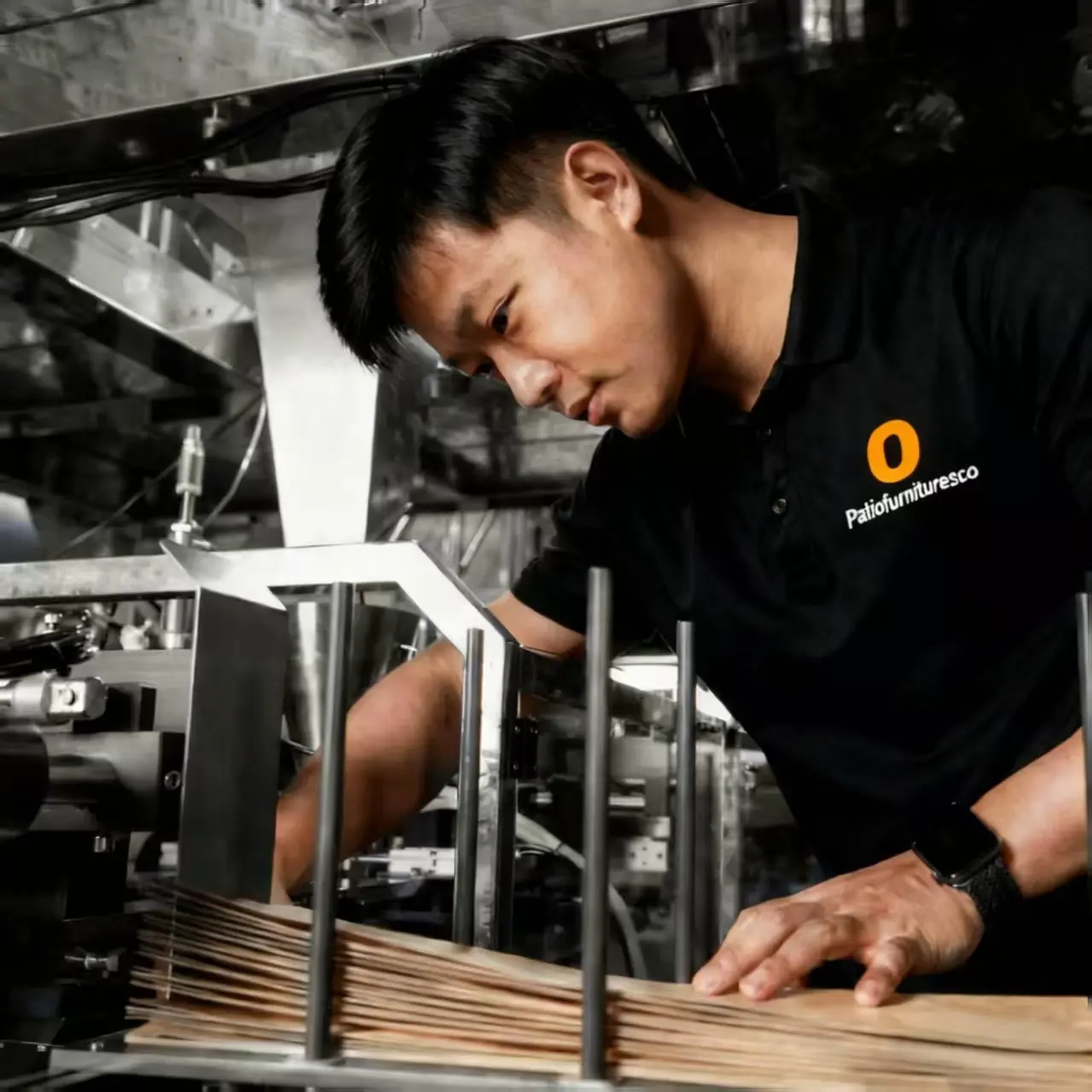
Patiofurnituresco is a direct manufacturer with 16 years of expertise in commercial outdoor furniture. Based in Taizhou, China, the company delivers true factory-direct pricing by eliminating intermediaries, helping B2B clients improve margins and scale efficiently.
Their portfolio includes products certified to global standards such as UL4041 and EN581, engineered for high-traffic environments like hotels, resorts, and retail spaces. Full OEM/ODM customization covers materials, colors, dimensions, and branding options for unique projects.
With flexible MOQs, Patiofurnituresco supports both pilot runs and large-scale hospitality orders. Businesses benefit from its streamlined supply chain and dependable logistics network, ensuring fast sampling and timely delivery.
| ✅ What We Love | ⚠️ Things to Consider |
|---|---|
|
|
2. Retractable Canopy Providers (Various Global Suppliers)
Retractable canopies combine flexibility and convenience. These systems operate manually or via motorization, allowing users to control shade on-demand with extendable rails and UV-resistant fabric.
They’re a great choice for pergola owners looking for adjustable sun protection without the cost of a full roof structure. Often available as DIY kits, these canopies suit mixed weather conditions and varied daylight schedules.
| ✅ What We Love | ⚠️ Things to Consider |
|---|---|
|
|
3. Shade Cloth / Shade Sails Manufacturers (Global)
Shade sails and cloths provide a simple, cost-effective solution for sun protection. They’re available in various densities for UV blocking and allow airflow while maintaining a clean, modern look.
These are popular among budget-conscious homeowners and small businesses that value flexibility and aesthetic variety. Multi-sail layouts add design interest while staying affordable.
| ✅ What We Love | ⚠️ Things to Consider |
|---|---|
|
|
4. Louvered Roof System Providers (International)
Louvered roof systems elevate pergolas to all-weather outdoor living spaces. Adjustable aluminum slats manage sunlight, airflow, and rain protection seamlessly.
Smart motorized systems often include sensors that detect rain or wind, tilting automatically for comfort. While they require a higher initial investment, they add long-term value and modern elegance to high-end properties.
| ✅ What We Love | ⚠️ Things to Consider |
|---|---|
|
|
5. Fixed Roof Panels Suppliers (Worldwide)
Fixed roof panels deliver complete, maintenance-free coverage against sun, rain, and snow. They’re ideal for users who prioritize reliable weather protection over adjustable shading.
Polycarbonate and metal panels are common, balancing durability with partial transparency to maintain light. Once installed, they need little upkeep and provide long-term peace of mind.
| ✅ What We Love | ⚠️ Things to Consider |
|---|---|
|
|
6. Outdoor Curtains Suppliers (Global)
Outdoor curtains enhance privacy and comfort while introducing a soft, decorative touch to pergolas. They block mild sunlight and wind and can be tied back or drawn as needed.
Though they aren’t meant for full rain protection, they’re effective for side shading and creative styling. Ideal for creating cozy leisure corners or intimate seating zones.
| ✅ What We Love | ⚠️ Things to Consider |
|---|---|
|
|
Each shade option offers its own balance of aesthetics, cost, and performance. In our experience, businesses and homeowners who understand their daily use patterns—sun exposure, seasonal weather, and maintenance comfort—find it easier to choose the best shades for pergolas that truly fit their environment.
Installation Tips for Retractable Shades
For retractable pergola shades, accurate measuring, solid structural anchoring, correct bracket spacing, and maintaining at least a 15° pitch for rain runoff are essential to ensure smooth operation and long-term durability.
Installing retractable pergola shades the right way ensures durability, reliable function, and smooth operation. In our experience, proper preparation, accurate measurement, and following structural mounting guidelines make the difference between years of use and premature wear.
Essential Tools and Helpers
Even a well-designed retractable shade requires the proper preparation and equipment for a safe, efficient install. A typical DIY installation takes about 2 hours when handled by two people.
- 👷♂️ At least two people are recommended due to the weight and size of the units.
- 🔧 Essential tools include a drill, impact driver, and tape measure (25–30 ft).
- 📏 Levels (6″ and larger), rubber mallet, and chalk line ensure accuracy.
- 🪜 Two ladders (8 ft minimum), safety glasses, and anchor fasteners like screws or lag bolts are also required.
Preparing all materials in advance saves time and prevents alignment issues during lifting and positioning. Always test power tools and batteries before starting to avoid installation interruptions.
Bracket Spacing and Mounting Guidelines
Correct bracket placement is critical to keep the frame stable and prevent sagging under load. The required number of brackets depends on the unit width:
| 📐 Unit Width | 🔩 Bracket Count |
| 6’0″ – 7’11” | 2 brackets |
| 8’1″ – 15’11” | 4 brackets |
| 16’0″ – 19’11” | 6 brackets |
| 20’0″ – 40’0″ | 8 brackets |
- 📏 Hood bracket spacing should not exceed 5’0″ between brackets, with end brackets within 2’0″ of each side.
- 🪛 Each bracket must use at least 2 corrosion-resistant fasteners anchored into solid elements like joists or beams (never fascia or thin cladding).
- 📍 Mount positions vary by shade type: inside mounts about 1″ from top corners, outside mounts 2–3″ above window frames or at least 2.5″ below the top edge.
Measuring, Leveling, and Pitch for Water Management
Measurement errors can quickly lead to fabric misalignment or mechanical stress. Always measure multiple points and rely on the smallest values to ensure a snug fit—particularly important for older pergolas where frames may not be perfectly square.
- 📏 Level tolerance should not exceed 1/8″ deviation per 8 ft.
- 💧 A minimum pitch of 15° supports proper rain runoff and prevents pooling, which can stretch fabric and damage arms.
- ⚙️ Make pitch adjustments slowly—do not lower the front bar more than 10 mm per adjustment cycle.
By confirming level and pitch before tightening bolts, you preserve fabric tension and allow smooth retraction in all weather conditions.

Common Installation Mistakes and Critical Perspectives
Installers often overlook critical structural and environmental details that affect long-term performance. Being aware of these pitfalls reduces rework and secures the system safely for years of use.
- ⚠️ Do not anchor brackets into non-structural areas such as fascia or cladding—they can fail under dynamic loads.
- ⚙️ Underestimating bracket count on wide spans causes sagging and early system failure.
- 💧 Ignoring pitch or drainage leads to water pooling that stretches canopy fabric.
- 🧱 Avoid installing shades before surfaces like paint or plaster have fully cured, especially in high humidity, to prevent warping and misalignment.
- 🔌 For motorized units, plan access for wiring, leave clearance for tools, and keep fasteners visible for future maintenance.
Checklist for Professional Installation Workflow
A consistent workflow helps installers keep projects efficient and error-free. The following checklist aligns with professional standards drawn from years of field practice.
- ✅ Verify tools, helpers, and materials before starting.
- ✅ Check substrate strength and plan bracket placement according to load and span width.
- ✅ Measure multiple points for accuracy and confirm level before mounting.
- ✅ Set pitch angle carefully and test rain runoff flow.
- ✅ Route all electrical lines or cables before final assembly for motorized setups.
- ✅ Perform full operational and maintenance checks when finished.
Taking this step-by-step approach reduces callbacks, improves visual alignment, and extends the lifespan of retractable pergola shade systems—helping you get the best shades for pergolas that truly perform under all conditions.
Launch Your Custom Outdoor Shade Solution with Confidence
Partner directly with a trusted manufacturer delivering durable, innovative patio umbrellas designed for commercial success. Enjoy low MOQs, full OEM/ODM customization, and global logistics that keep your business ahead.

Benefits of Adding Shades to Pergolas
Adding shades to pergolas transforms them from partial-sun features into fully usable, UV-protective, cooler, and more private outdoor rooms that increase comfort, extend daily and seasonal use, and boost property value and outdoor ROI.
Adding the best shades for pergolas can significantly improve outdoor usability, helping homeowners and property managers create spaces that are comfortable, safe, and energy-efficient. Below are the main benefits supported by data and professional design considerations.
Sun Protection and Health Benefits
- ✅ Modern pergola shade fabrics block up to 98% of harmful UV rays, reducing the risk of skin cancer and eye damage.
- 💡 Shade cuts glare and eye strain, letting people use outdoor areas safely for longer hours.
- ⚠️ Protecting children through shaded play areas forms a vital part of long-term sun-safety strategies.
By integrating high-quality shade fabrics, pergolas go from decorative features to active health protectors, creating secure environments for both residential and commercial users.
Temperature Control and Comfort Enhancement
| Factor | Without Shade | With Pergola Shade |
|---|---|---|
| Ambient Temperature | Feels hotter | Up to 5–10°F cooler ✅ |
| Indoor Heat Gain | High during summer | 30% less heat gain ✅ |
| Airflow | Limited ventilation | Breathable fabrics maintain flow 💨 |
These cooling effects not only improve comfort but also lower energy consumption, especially when pergolas are positioned near patio doors or windows.
Increasing Usage and Space Activation
- 🚀 Optimized shading can boost outdoor usage by up to 35%, improving dwell time and comfort.
- ✅ Adjustable systems—like retractable canopies or motorized louvers—support all-weather use.
- 💡 Shaded pergolas draw people outdoors more often, increasing social interaction and activity levels.
For hospitality and retail spaces, this means enhanced revenue-generating potential from outdoor zones that were previously underused.

Enhancing Property Value and ROI
| Benefit | Impact |
|---|---|
| Resale ROI | 50–60% average return 🚀 |
| Living Space Expansion | Transforms patios into functional outdoor rooms ✅ |
| Asset Protection | Extends lifespan of furniture and finishes 💡 |
Shaded pergolas serve as both a lifestyle upgrade and an investment multiplier, adding appeal and lasting value to residential or commercial properties.
Privacy, Weather, and Insect Protection
- ✅ Screens, wood slats, or climbing greenery boost privacy and create a sense of enclosure.
- 💡 Retractable mesh panels protect from insects, making evening use more comfortable.
- ⚠️ Side shades act as shields from light rain and wind, extending usability beyond summer months.
These features allow outdoor areas to be enjoyed more fully, regardless of location or weather changes.
Addressing Common Misconceptions
- ❌ Standard pergolas with open slats only offer partial shade at certain times of the day.
- ✅ Adding fabric canopies, retractable shades, or louvered roofs ensures reliable UV protection year-round.
- 💡 Shaded structures prevent asset damage and reduce indoor heat, giving them a major advantage over unsheltered ones.
Many property owners expect adequate shade from open pergolas and end up disappointed. Installing proper shade systems solves this gap completely.
Design and Specification Considerations
- ✅ Choose fabrics rated to block 90–98% UV, matching regional sunlight intensity.
- 💡 Integrate adjustable mechanisms—motorized, retractable, or manual—to manage light and airflow.
- 🚀 Design based on the sun’s path and typical occupancy patterns to maximize return on space use.
- ⚙️ Use certified, durable materials to reduce upkeep and extend structure lifespan.
In our experience, careful planning during the specification stage ensures pergola shades deliver lasting performance and style aligned with each project’s needs.
Common Pergola Shade Problems and How to Fix Them
Most pergola shade problems come from poor orientation, overly wide or fixed slats, and lack of secondary shade (fabric, canopies, plants). Fixes include tightening slat spacing, adding shade cloth or retractable canopies, and retrofitting louvers or covers.
Even the best pergolas can struggle to deliver full shade during peak sunlight hours. In our experience, orientation, slat spacing, and weatherproofing design all play a major role in how effective your pergola shade will be.
Common Causes of Pergola Shade Issues
Several factors can reduce shade efficiency and make outdoor areas uncomfortably hot. The most frequent problems include:
- ⚠️ Pergolas facing east or west provide minimal midday shade, offering little protection from overhead sunlight.
- ⚠️ Slats spaced too far apart allow direct sun to pass through, especially around noon when the sun is at its highest.
- ❌ Fixed slats limit control of shade throughout the day and reduce adaptability to seasonal sun angles.
- ❌ Lack of secondary elements like shade cloth, climbing plants, or retractable canopies leaves the structure largely exposed.
Effective Fixes for Shade and Weather Protection
There are multiple ways to enhance both shade coverage and protection from wind or rain. Combining two or more methods often brings the best results.
- ✅ Add outdoor fabric or heavy-duty shade cloth over the top. This simple upgrade can increase coverage by up to 50%.
- ✅ Install retractable canopies to control exposure at different times of day.
- 🌿 Encourage climbing plants such as ivy or wisteria for a natural shade buildup that improves over 12–18 months.
- 🚀 Retrofit adjustable louvered roofs to switch between open sun and full shade while improving ventilation.
- 💧 Use plexiglass, polycarbonate sheets, or sliding glass covers for waterproof functionality and UV protection.
- 🛠️ Maintain proper drainage, repaint worn areas, and check seals regularly to keep materials resistant to corrosion and fading.
For commercial settings like hotels and cafés, combining adjustable louvers with waterproof polycarbonate covers ensures year-round usability and minimal maintenance downtime.

Improving Pergola Comfort and Usability
Once shade efficiency is optimized, comfort upgrades can make the pergola functional beyond summer hours.
- 💡 Add curtains, side panels, or privacy screens to block wind and create secluded seating zones.
- 🔥 Incorporate low-voltage lights or infrared heaters to extend evening use during cooler seasons.
- ✅ Adjustable louvers fine-tune both shade and airflow for all-weather flexibility.
- 🧰 Conduct routine maintenance on joints, bolts, and coatings to ensure safety and extend structure lifespan beyond 10 years.
Deeper Insights and Considerations
Many owners believe open-slat pergolas automatically provide constant shade, but actual protection depends on slat angle, spacing, and structure orientation.
- 💡 Aligning slats north-south maximizes midday coverage, while tighter spacing improves protection by up to 30% without extra fabric.
- 💡 Fabric, shade sails, and climbing plants are cost-effective short-term fixes with lifespans between 3–5 years.
- ⚙️ Polycarbonate panels, aluminum louvers, and glass tops provide long-term durability and all-weather versatility, though they come with higher initial cost and installation effort.
- 🧼 Regular cleaning, sealing, and drainage inspection work as a low-cost insurance plan to preserve shade efficiency and structural stability.
Choosing the best shades for pergolas depends on balancing aesthetics, budget, and functionality. A mix of mechanical louvers and smart materials often brings the best long-term comfort and ROI for both residential and commercial outdoor spaces.
Materials and Durability Considerations
For pergola shades, solution-dyed acrylic, PVC-coated polyester mesh, and HDPE shade cloth provide the best outdoor durability, lasting 10–15 years with excellent UV and mildew resistance, and low maintenance when installed correctly.
Choosing the right fabric is essential for anyone looking for the best shades for pergolas. Different materials offer varied durability, breathability, and protection levels depending on climate and usage.
Overview of Key Shade Materials
In our experience, three main synthetic fabrics dominate pergola shade applications due to their proven outdoor performance and long service life. Each is engineered to balance UV resistance, weather protection, and maintenance ease.
- ✅ Solution-dyed acrylic fabric provides impressive fade resistance because its dye is embedded within the fiber, ensuring color retention for about 10 years. It also resists mildew and repels water effectively.
- ✅ PVC-coated polyester mesh offers strong dimensional stability and tensile strength, blocking between 80–97% of solar heat and UV rays. Its non-porous coating keeps moisture and mildew away.
- ✅ HDPE knitted shade cloth is breathable, rot-proof, and supports outdoor comfort with 95–98% UV blockage under warranties lasting up to 15 years.
Durability and Performance Comparison
Outdoor shading materials vary not only in lifespan but also in how they handle sunlight, moisture, and color retention. The following table shows typical durability and performance values based on common commercial-grade fabric types.
| Material Type | Expected Lifespan | UV/Heat Block | Maintenance | Key Notes |
|---|---|---|---|---|
| HDPE Shade Cloth | 10–15 years | 95–98% UV block ✅ | Low – rinse occasionally | Rot-proof and breathable |
| Solution-dyed Acrylic | ~10 years | Up to 98% UV protection ✅ | Moderate – periodic cleaning | Excellent colorfastness |
| PVC-coated Polyester Mesh | 10+ years | 80–97% UV/heat block ✅ | Very low – easy washing | Excellent tensile stability |
| Vinyl/PVC Fabric | 8–10 years | 90–95% UV block ⚠️ | Low | Can yellow or become brittle unless marine-grade |
| Natural Fabrics (Cotton/Canvas) | 1–3 years | 60–70% UV block ❌ | High – frequent cleaning | Prone to fading and mildew |
Benefits and Practical Considerations for Pergola Shades
High-grade synthetic shade fabrics help optimize both comfort and longevity under pergolas. They manage airflow, regulate temperature, and reduce upkeep compared to natural fibers.
- 💡 Knitted and mesh fabrics like HDPE and PVC-coated polyester allow better airflow, lowering heat buildup under full-sun pergolas.
- ✅ Synthetic materials engineered for exterior use resist rot and mildew, reducing maintenance demands and extending service time.
- 🚀 Choosing fabrics with strong UV warranties (up to 15 years) improves return on investment by minimizing replacement cycles.
- ⚠️ Natural fiber options, such as cotton or bamboo, offer a more organic look but weather poorly outdoors and perform better in semi-covered installations.
For commercial or hospitality projects, performance-tested fabrics like HDPE and PVC meshes deliver reliable shade performance and cost efficiency, which aligns with Patiofurnituresco’s approach to long-lasting outdoor structures.
Maintaining Your Pergola Shade System
Maintaining a pergola shade system involves light cleaning and inspections every 1–3 months, plus deeper seasonal checks and occasional care of fabric, finish, or hardware to ensure long-lasting shade effectiveness. Aluminum and vinyl systems generally require low effort, while wood and fabric pergolas demand more frequent cleaning, sealing, or replacing.
Routine maintenance keeps your pergola safe, clean, and visually appealing throughout the year. Regular cleaning, quick inspections, and light servicing help extend the life of shade materials and hardware, ensuring consistent performance under different weather conditions.
Maintenance Frequency and Tasks by Material
Each pergola material has its own care pattern. Following the correct schedule reduces long-term wear and keeps every part functioning properly.
- 💡 Aluminum pergolas: Rinse monthly to remove dust and pollen, wash gently every three months with mild soap, and inspect fasteners and louvers once a year. Increase washing frequency in coastal zones to prevent corrosion.
- 💡 Wood pergolas: Clean quarterly to remove debris and leaves. Carry out deep cleaning twice a year with wood-safe cleaners and gentle power washing below 1500 psi as per manufacturer guidance. Add seasonal cleaning for changing climates.
- 💡 Vinyl pergolas: Use soapy water for basic cleaning to prevent mildew and check occasionally for UV wear or surface cracking.
- 💡 Fabric or retractable pergolas: Limit maintenance to debris removal and quick inspections. Adjust frequency depending on exposure to dirt, dust, and saline air.
Lifespan Expectations and Protective Treatments
Durability depends on build quality, environmental exposure, and maintenance habits. Regular treatment expands the usable life and return on investment.
| Material | Typical Lifespan | Protective Measures |
|---|---|---|
| Wood | 5–15 years | Re-stain or seal every 1–2 years; sand and coat periodically to block UV and moisture. |
| Vinyl | 10–25 years | Clean regularly to prevent UV degradation; inspect joints for hairline cracks. |
| Aluminum | 20–30+ years | Maintain powder coating with yearly washdown; proper care extends finish by 15–20 years. |
| Fabric Shade | 3–7 years | Clean gently, store during heavy winter, and check motors in retractable units to retain tension. |
Seasonal Maintenance Checklist
Keeping your pergola in good shape year-round depends on seasonal habits. This checklist helps target key actions during each phase.
- 🌸 Spring: Wash all surfaces, clear nearby gutters, sand, and re-stain wood when necessary.
- ☀️ Summer: Remove bird droppings and sap fast, apply UV sealant on wood, rinse aluminum sections to remove pollen.
- 🍂 Autumn: Sweep leaves and debris, clean gutters and louvers to keep drainage efficient.
- ❄️ Winter: Clear heavy snow from beams and fabric canopies. Check automatic louvers for tilt and drainage before freezing conditions.
Common Maintenance Mistakes to Avoid
Even small mistakes can shorten your pergola’s lifespan. Paying attention to these hazards saves you repairs later.
- ⚠️ Avoid steel wool or abrasive materials on painted aluminum to prevent finish damage.
- ⚠️ Skip bleach and acid-based cleaners; they weaken fabric and powder coatings.
- ⚠️ Keep standing water away from wood post bases to avoid rot and anchoring issues.
- ⚠️ Don’t over-tighten screws on hot days. Thermal expansion can restrict louver movement until temperatures cool.
Critical Perspective on Pergola Shade System Maintenance
Some owners assume pergolas are maintenance-free, but even low-care models benefit from routine cleaning. In our experience, light monthly upkeep makes a visible difference in structure longevity.
Aluminum and vinyl pergolas can perform reliably for up to 30 years with consistent rinsing and inspections. Wood demands regular sealing to preserve its natural finish and stability. Fabric components remain the most replaceable parts, so plan periodic replacements based on UV exposure.
For business applications, embedding these routines into standard site maintenance helps manage costs and ensures every system meets performance expectations over time.
Cost and ROI Considerations for B2B Users
Commercial buyers often balance maintenance workload against purchase price and lifespan. This table outlines common cost ranges and highlights where savings emerge.
| Material | Initial Cost (10×12 Size) | Annual Maintenance | Commercial ROI Insight |
|---|---|---|---|
| Wood | $2,800–$5,200 | $300–$600 for sealing and minor repairs | Natural look but higher upkeep; suitable for boutique venues with aesthetic focus. |
| Aluminum | $3,800–$8,900 | Less than $75 for periodic washing and inspection | Low maintenance and long lifespan create strong ROI for hotels, restaurants, and multi-site installations. |
Reduced upkeep costs and longevity make aluminum pergolas particularly attractive for commercial buyers who prioritize long-term efficiency in outdoor shading investments.
Frequently Asked Questions About Pergola Shades
How do I get more shade from my pergola?
To get more shade, you can add an overhead cover such as fabric panels, retractable canopies, or adjustable louvers. These materials block harsh sunlight while maintaining airflow.
In our experience, combining side curtains with UV-resistant top covers gives up to 85% protection from direct sun. Some commercial clients also integrate sliding canopies that allow flexible coverage throughout the day.
Can I add a roof to my pergola?
Yes, a roof can be added to most pergola structures if the frame supports the extra weight. Options include metal sheets, polycarbonate panels, and fabric tension systems.
Patiofurnituresco’s OEM/ODM team often designs integrated roof panels tailored for existing pergolas. This upgrade can convert an open structure into a semi-enclosed space suitable for hotels or outdoor dining areas.
Are retractable pergola canopies waterproof?
Retractable pergola canopies are usually water-resistant but not fully waterproof. Fabric materials such as acrylic, polyester, or PVC-coated textiles can shed light rain but should be retracted during heavy downpours.
Commercial-grade waterproof systems use sealed seams and slope designs that channel water away. In our production line, we use fabrics rated for up to 500 mm of hydrostatic head, suitable for hospitality installations.
How much does a pergola shade cost?
The cost depends on material type, size, and design complexity. A standard manual retractable canopy may start around $200 to $500 for residential use, while commercial systems can range from $800 to over $2,000 per unit.
Direct-from-factory pricing through Patiofurnituresco can reduce bulk-order costs by up to 20%. OEM customization lets our partners achieve premium designs with optimized project budgets.
DIY pergola shade ideas?
DIY solutions work well for home setups or pilot projects. Common options include hanging outdoor curtains, using shade sails, or weaving bamboo slats across the beams.
To get the best performance, choose UV-resistant fabric with a density above 180 GSM. For a more durable and professional look, businesses can source pre-finished aluminum shade kits or OEM panels directly from Patiofurnituresco factories.
Final Thoughts
Choosing the best shade for a pergola means balancing flexibility, weather resistance, and aesthetic fit. Retractable canopies give precision control and all-weather reliability, while sails, louvered roofs, and fixed panels serve different budgets and climates. Material quality—such as HDPE, PVC-coated mesh, or solution-dyed acrylic—defines lifespan and comfort, supported by smart installation and consistent maintenance.
For property owners and commercial buyers, the right shade strategy turns underused pergola space into a lasting investment that drives comfort, usability, and ROI. Partnering with a specialized manufacturer like Patiofurnituresco ensures access to tested materials, tailored solutions, and sustained performance—helping outdoor areas stay functional and inviting year after year.


 English
  Spanish
  French
  German
  Portuguese