


Inadequate metal pre-treatment is the root cause of nearly 70% of all coating failures. A finish that peels or bubbles after one season is a commercial liability, leading directly to product returns and eroding profit margins from warranty claims.
This analysis explains the 7-stage chemical process, from acid pickling to phosphating, required for our Anthracite Powder Coating to achieve a 5B rating on the ASTM D3359 adhesion test. Verifying this step is critical for securing a durable product.
Why Does Paint Peel? (Understanding the Risk of Poor Adhesion)
Paint peels when it fails to bond with the surface. This is usually caused by contamination from dirt or oil, or by moisture getting trapped underneath and pushing the coating off.
The Role of Surface Contamination and Moisture
Paint can only stick to the material it’s intended to protect. If you apply it over a layer of dirt, oil, or rust, it bonds to the contaminant, not the substrate. That weak connection is the primary cause of peeling. Any stress on the paint film will cause it to lift right off, taking the grime with it.
Moisture is another major factor. High humidity or water seeping under the paint film can cause the underlying surface to swell. This movement pushes the paint away from the material, breaking the adhesive bond from the inside out. Likewise, a smooth, glossy surface doesn’t offer anything for the paint to grab onto. These surfaces must be lightly sanded to create a textured profile that allows a new coating to grip mechanically.
Achieving Strong Adhesion with Powder Coating
The factory finishing process is designed specifically to prevent these adhesion failures. Powder coating uses an electrostatic charge to attract powder particles to the metal frame. This method ensures complete and uniform coverage, even in hard-to-reach areas where liquid paint might miss or run.
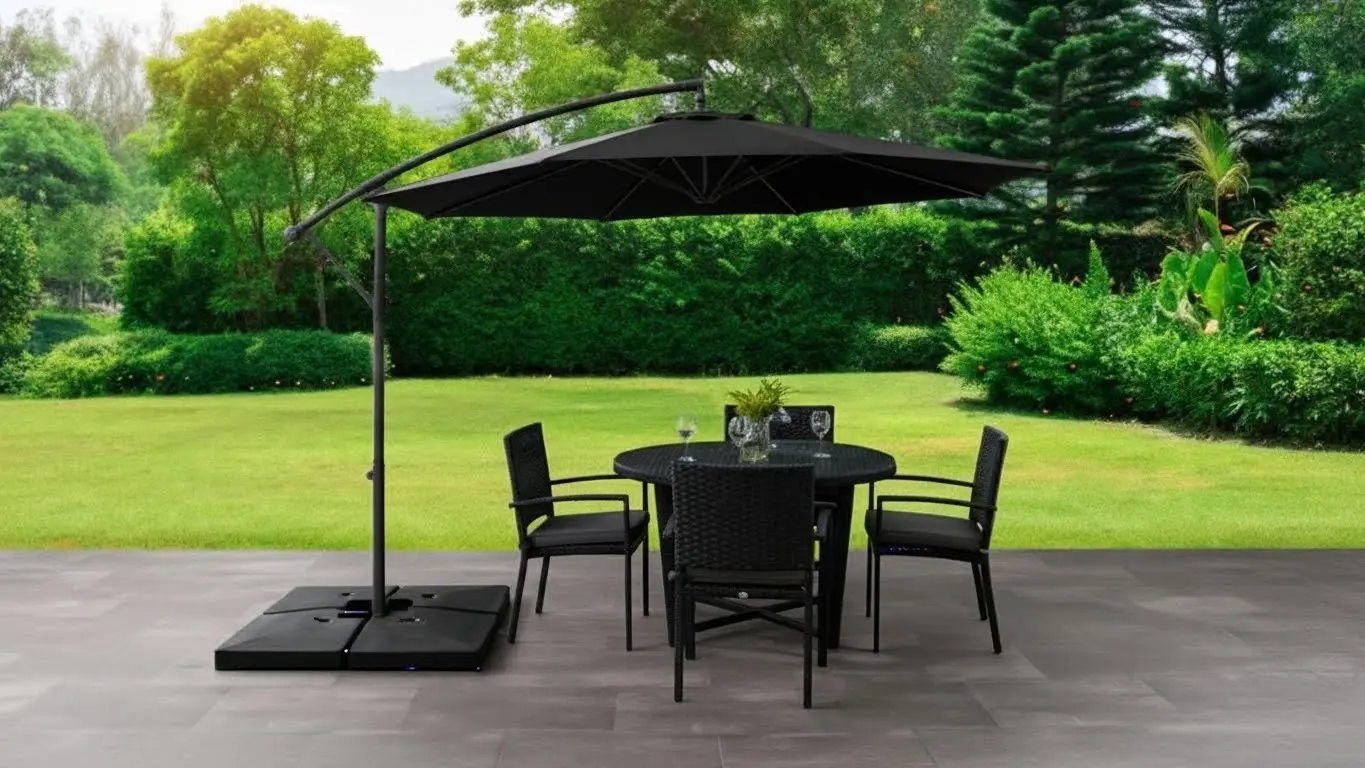
After application, the entire frame is cured in an oven. The heat melts and fuses the powder into a single, hard shell that is molecularly bonded to the metal. This creates a durable finish highly resistant to peeling, chipping, and rust. Our standard frames feature an Anthracite Powder Coating, providing a superior protective layer built for long-term outdoor use.

What Is the 7-Stage Pre-Treatment Line and Why Is It Critical?
The 7-stage pre-treatment line is a chemical cleaning system for metal parts before powder coating. It strips all contaminants to guarantee strong paint adhesion and prevent future corrosion.
When dealing with steel-framed outdoor furniture, the quality of the finish is everything. Paint that peels or bubbles after one season is a commercial liability. The difference between a durable product and a warranty claim often comes down to one non-negotiable process: the chemical pre-treatment that happens long before any paint is applied.
The 7 Steps of Metal Surface Preparation
The full process involves a sequence of chemical dips in seven different tanks. Each stage has a specific job, systematically stripping away every type of impurity. While all seven stages are performed, these four are the most critical for achieving a flawless foundation for powder coating.
| Key Stage | Primary Function |
|---|---|
| Step 1: Degreasing | Removes all factory oils, protective grease, and accumulated dirt from the raw metal frames. |
| Step 3: Acid Pickling | Uses an acid bath to chemically strip away any rust and mill scale, exposing the clean raw steel. |
| Step 5: Phosphating | Applies a micro-crystalline phosphate layer that acts as a conversion coating, creating a textured surface for paint to grip. |
| Step 7: Passivation | A final rinse with deionized water neutralizes the surface and prevents flash rust from forming before the parts enter the drying oven. |
Ensuring Adhesion for Powder-Coated Steel Frames
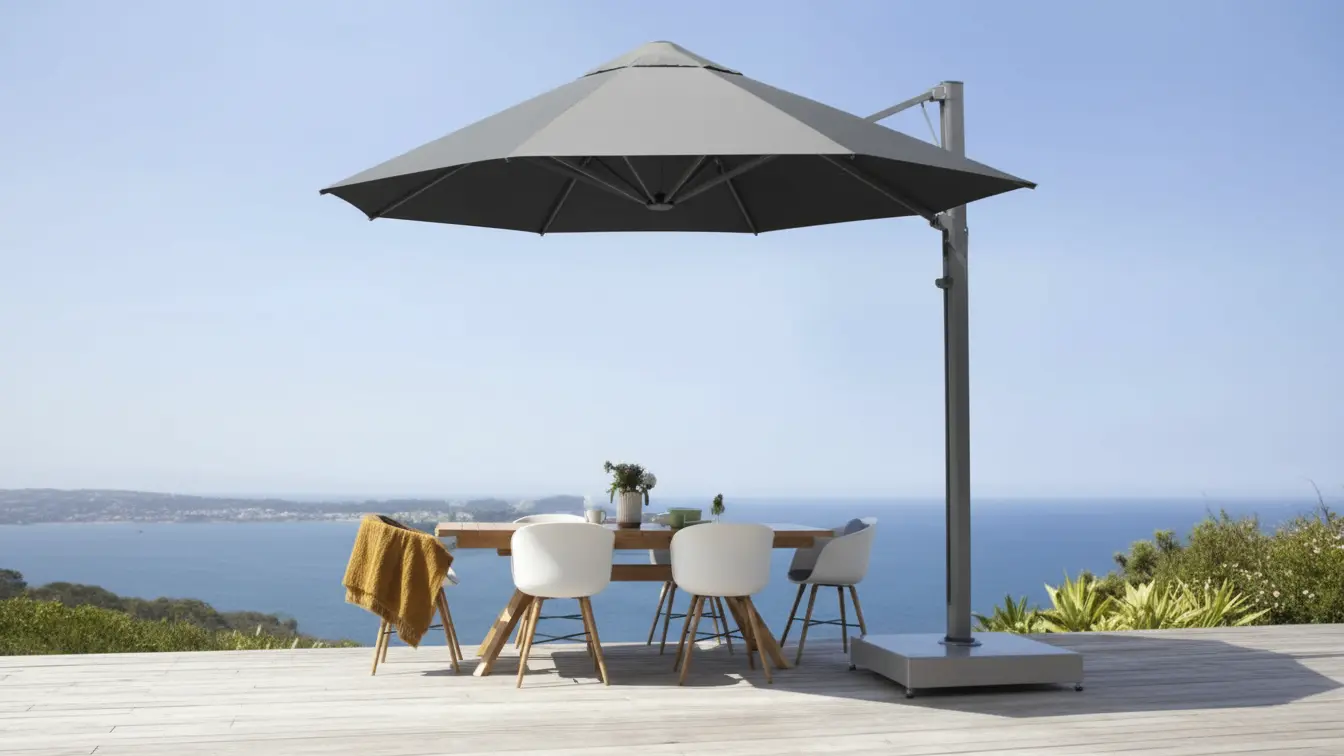
This entire procedure creates the perfect canvas for our Anthracite Powder Coating to chemically and mechanically bond to the steel. Without it, even the best powder coating will fail. This is our primary defense against rust and is non-negotiable for any steel components we produce, from market umbrella poles to cantilever bases.
- It stops the paint from bubbling or peeling away from the frame, especially in humid or wet conditions.
- The phosphate layer provides a crucial backup barrier. If the final paint coat gets scratched, this underlying layer continues to inhibit rust.
- A clean, prepared surface ensures a smooth, consistent finish without the imperfections caused by underlying contaminants.
Source Durable Commercial Umbrellas, Factory-Direct

Acid Pickling vs. Sandblasting: Which Surface Preparation Method Is Better?
The best method depends on the desired finish. Acid pickling creates a smooth surface for complex shapes. Sandblasting creates a rough texture for superior coating adhesion.
Core Differences in Process and Surface Finish
Acid pickling is a chemical immersion process. Metal parts are dipped into an acid bath that dissolves surface impurities like rust and mill scale. This leaves a uniformly smooth and clean metal surface, making it ideal for treating components with intricate geometries that mechanical methods might miss.
Sandblasting is a mechanical process. It propels abrasive media at a surface using high-speed compressed air. This action strips away contaminants and creates a distinct surface roughness. This texture provides an excellent mechanical grip that significantly improves the adhesion of subsequent coatings.
Choosing the Right Method for Powder-Coated Frames
For our steel and aluminum umbrella frames, proper surface preparation is critical for the durability of the final Anthracite Powder Coating. The choice of method isn’t about speed; it’s about what works best for the material and the intended outdoor use.
We choose the method that ensures maximum coating adhesion to prevent peeling and rust. A strong bond between the metal and the powder coat is essential for any product designed to withstand outdoor conditions and extend product life.
What Is Chromate Conversion Coating? (The Secret “Bonding Layer”)
This chemical pre-treatment creates a protective layer on metal. It stops corrosion and ensures powder coating permanently bonds, preventing the peeling, bubbling, and rust that kill product lifespan.
How a Molecular Reaction Creates a Protective Shield
This isn’t just a simple wash; it’s a chemical transformation. When a cleaned metal part is immersed in a chromate solution, a reaction happens at the molecular level. This reaction converts the raw metal surface into a new, stable layer of chromium oxide. This new layer has two jobs. First, it physically blocks moisture and oxygen from reaching the base metal, stopping corrosion before it can start. Second, it creates a micro-textured surface profile, giving the subsequent paint or powder coat a perfect surface to grip onto for maximum adhesion.
The Foundation for Our Durable Powder-Coated Finish
This pre-treatment is the critical first step for achieving the superior adhesion of our signature Anthracite powder coating. By ensuring the powder coat bonds tightly to the frame, it prevents moisture from creeping underneath the paint—the primary cause of bubbling, peeling, and eventual rust on steel frames. For our rust-proof aluminum frames, it guarantees the finish remains clean and consistent, ready to withstand years of outdoor exposure without failing.
How the wash tanks work?
Our factory tour video shows the multi-stage wash tank line where umbrella frames are meticulously cleaned. This process removes all oils, creating a perfect surface for powder coating. If you’d like a factory wash-tank video for your project team, note it in your RFQ and we’ll send sample footage when available.
A Look Inside the Multi-Stage Immersion Tanks
Before any frame gets its final powder-coated finish, it goes through a critical chemical pre-treatment process. The metal parts are submerged in a series of large tanks, each with a specific job to prepare the surface for a flawless, long-lasting bond. This isn’t just a quick rinse; it’s a systematic chemical cleaning that sets the foundation for the entire product’s durability.
- Degreasing: The first tanks use an alkaline solution to strip away all manufacturing oils, grease, and residues from the metal. Without this step, the powder coat has nothing clean to grip onto.
- Rinsing: After degreasing, the frames move through rinse tanks. This removes any leftover detergent and neutralizes the surface, preparing it for the next chemical application.
- Conversion Coating: The final key stage involves applying a phosphate conversion coating. This microscopically etches the metal surface, creating an ideal profile for paint adhesion and adding an extra layer of corrosion resistance.
How Clean Surfaces Guarantee a Durable Powder-Coated Finish
The entire wash tank process is non-negotiable for achieving a premium finish. A perfectly clean, prepared surface is the single biggest factor in paint performance. When we apply our signature anthracite powder coating, it needs a contaminant-free substrate to create a strong molecular bond.
This meticulous cleaning directly prevents future peeling, chipping, and blistering. It’s the core of the rust resistance for both our steel and premium aluminum umbrella frames. Skipping or rushing this pre-treatment is how low-cost factories cut corners, but it almost always leads to product failure and warranty claims down the line.
Environmental Compliance: How Do We Treat Industrial Waste Water?
We treat wastewater from our metal pre-treatment line using a multi-stage process. This neutralizes chemicals and separates solids, ensuring all discharged water meets strict environmental standards.
The Three Core Methods of Industrial Water Treatment
To manage industrial effluent responsibly, the industry relies on a combination of established treatment methods. Each one targets different types of contaminants to ensure the water is safe before it leaves the facility.
- Physical Methods: These are the first line of defense. Processes like screening and sedimentation are used to remove solid particles from the water, separating them based on simple properties like size and density.
- Chemical Methods: This stage uses targeted chemical reactions to deal with dissolved pollutants. Common techniques include pH neutralization to balance acidity and coagulation, which clumps smaller particles together for easier removal.
- Biological Methods: This approach leverages natural processes. We use microorganisms to consume organic waste in the water, breaking it down into stable, harmless substances. It’s a safe and effective way to clean the effluent.
Managing Effluent from Our Powder-Coating Pre-Treatment Line
The main source of our industrial wastewater is the 7-stage pre-treatment line. This is where we prepare all our steel and aluminum umbrella frames, cleaning and chemically treating them before they enter the powder-coating booth.
We channel this water into large equalization tanks. Their job is to neutralize the pH and regulate the flow, creating a stable and controlled stream. This step is critical because a consistent flow allows the subsequent treatment stages to work far more effectively.
This complete system guarantees that chemical agents from the cleaning and phosphating stages are removed from the water. It allows us to manage our discharge safely and operate in full compliance, protecting the local environment.
What Is the “Cross-Cut” Adhesion Test (ASTM D3359)?
The Cross-Cut Adhesion Test is a simple, effective quality control check to see how well a coating sticks to a surface by scoring it and pulling tape off.
The ASTM D3359 test is a standardized method used across many industries to get a reliable rating on coating adhesion. It’s a pass/fail system that quickly identifies bonding problems between a coating and the substrate, like metal. For any product meant to be used outdoors, a strong bond is essential to prevent peeling and corrosion.
How the Test Method Works
The procedure is straightforward and designed to be repeatable for consistent quality control. It follows a few key steps to get a rating.
- A specialized cutting tool creates a lattice pattern through the finished coating, penetrating all the way down to the bare metal.
- A specified pressure-sensitive tape is applied firmly over the entire grid.
- The tape is then pulled off sharply at a set angle. The grid is visually inspected to see how much, if any, of the coating was removed.
- The result is rated on a scale from 0B (over 65% of the coating is gone) to 5B (the cut edges are completely smooth, with zero peeling).

Verifying Our Anthracite Powder Coating Durability
This test isn’t just theoretical for us; it’s a critical quality check for the anthracite powder coating we apply to both our steel and aluminum umbrella frames. A high rating gives us—and our customers—confidence in the product’s longevity.
- Achieving a high rating like 4B or 5B provides objective proof that our pre-treatment process was effective and the coating is strongly bonded to the metal.
- This process ensures our umbrella frames have a durable finish that resists the chipping and peeling expected from constant exposure to outdoor environments.
Why Do Cheap Factories Often Skip the Pre-Treatment Step?
Cheap factories skip pre-treatment to cut upfront operational costs. This shortcut is the root cause of nearly 70% of coating failures, leading to much higher long-term expenses.
The Short-Term Math: Sacrificing Quality for Upfront Savings
The decision to skip surface pre-treatment comes down to simple, short-sighted math. Factories focused on the lowest possible FOB price eliminate immediate operational costs like chemical washing agents, automated cleaning systems, and the labor required to run them. It’s a direct cut to their expenses on paper.
This approach completely ignores the inevitable downstream costs. When coatings fail because of poor surface preparation, the expenses from product rejections, rework, and warranty claims pile up quickly. But for factories competing solely on price, those long-term liabilities are often a risk they are willing to push onto their customers.
How Powder Coating Ensures Long-Term Frame Integrity
Our steel and aluminum umbrella frames get an Anthracite Powder Coating for a durable, rust-resistant finish. This process is not just a simple layer of paint; it requires a strong molecular bond with the metal. That bond is only possible if the surface is meticulously clean and properly prepared.
Without proper pre-treatment to remove oils and residues, the powder coating can’t adhere correctly, leading to the peeling and flaking common on low-cost alternatives. By investing in the correct surface preparation, we ensure our coating performs as intended, preventing the high failure rate that plagues poorly made products and protecting the frame for years.
Frequently Asked Questions
Why does paint or powder coating peel off aluminum frames?
Peeling is almost always caused by poor surface preparation. If dirt, grease, or microscopic oils are left on the aluminum, the coating cannot form a strong chemical bond and will eventually flake off. Other factors include moisture getting trapped under the paint film or using a coating that isn’t formulated for aluminum.
What is acid pickling and why is it important for aluminum?
Acid pickling is a chemical surface treatment where aluminum parts are immersed in an acidic solution. This process removes impurities, oxides, and contaminants from the metal’s surface, creating a perfectly clean and uniform foundation. This step is critical for ensuring the subsequent powder coat or paint adheres correctly for a long-lasting, durable finish.
How do you prevent powder coating from peeling?
The best prevention is a systematic, multi-stage pre-treatment process before any coating is applied. This involves cleaning, rinsing, and applying a conversion coating that acts like a primer to bond the metal and the powder. Following this with a proper curing cycle—baking the parts at the correct temperature for the right amount of time—is also essential.
What is the best pre-treatment for aluminum used in coastal environments?
For high-salt environments like coastal or marine areas, a more robust chemical treatment is needed. After cleaning, a conversion coating like zinc phosphate offers superior corrosion resistance. It creates a powerful protective barrier that stops saltwater from attacking the aluminum underneath the final topcoat, significantly extending the product’s life.
Final Thoughts
While skipping pre-treatment lowers the initial FOB price, our mandatory 7-stage process is the only defense against peeling paint and rust claims. A durable Anthracite Powder Coating protects your brand’s reputation and prevents costly returns. This is the difference between a one-season product and a long-term asset.
Verify our finish quality for yourself. Request a sample umbrella frame to see the coating and weld integrity up close. Contact our team to get a quote or discuss your OEM specifications.




 English
  Spanish
  French
  German
  Portuguese