


Replacing corroded outdoor furniture is a costly, recurring problem for coastal resorts and poolside venues. Salt, chlorine, and constant sun exposure can quickly degrade standard commercial-grade products, leading to rust stains, faded fabrics, and structural failures that impact guest safety and your budget.
This article breaks down the specific manufacturing standards that separate long-lasting poolside and marine-grade equipment from the rest. We’ll explain why using 316 stainless steel is non-negotiable for hardware, how AkzoNobel coatings are validated to withstand over 1,000 hours in salt spray tests, and what pre-treatment processes are required to ensure a durable finish that won’t chip or peel.
The Process: Acid Pickling Pre-Treatment Before Powder Coating
What Is Acid Pickling and Why Is It Necessary?
Acid pickling is a chemical pre-treatment that removes surface impurities like rust, mill scale, and laser scale from steel components before powder coating. This process creates a perfectly clean and profiled surface, which is essential for ensuring strong adhesion of the final powder coat. For poolside and marine-grade furniture, this step is critical for preventing corrosion and paint chipping, especially in salty air environments.
The Pre-Treatment Sequence: From Cleaning to Coating
Our typical pre-treatment line starts with cleaning, followed by the acid pickling stage using acids such as sulfuric or phosphoric. After pickling, parts move to a neutralizing rinse with a pH of 8-9 to stop the acid reaction and prevent flash rust. The process concludes with a conversion coating, like zinc phosphate, which provides a final layer of corrosion resistance before the powder coating is applied.
Coating Brand: Why We Use AkzoNobel or Tiger Drylac
We choose AkzoNobel and Tiger Drylac for their proven corrosion resistance and durability in harsh saltwater environments. Both brands offer coatings that comply with rigorous industry standards like IMO PSPC, MIL-PRF, and ISO 12944, ensuring reliable protection for poolside and marine applications.
AkzoNobel for Marine-Grade Liquid Coatings
AkzoNobel specializes in liquid epoxy systems like Intershield 300, designed for direct exposure to saltwater and harsh chemicals found in marine and poolside settings.
Its coatings comply with rigorous industry standards, including IMO PSPC and MIL-PRF specifications, ensuring certified corrosion resistance.
The application achieves a minimum dry film thickness (DFT) of 320 microns, creating a robust physical barrier against rust and abrasion.

Tiger Drylac for Durable Powder Coat Finishes
Tiger Drylac provides UV-stable polyester powder coatings that protect furniture frames from fading and degradation in sunny outdoor environments.
The finish meets ISO 12944 standards for long-term durability, making it ideal for high-use commercial applications.
This powder coating is particularly effective on aluminum frames that have undergone proper pre-treatment like acid pickling, ensuring a seamless and resilient bond.

Hardware Specs: 316 Marine Grade vs. 304 Stainless Steel Screws
For hardware in coastal or poolside settings, 316 marine grade stainless steel is the standard choice. It contains molybdenum, which provides superior resistance to corrosion from salt and chlorides. In contrast, 304 stainless steel lacks molybdenum, making it susceptible to rust in marine environments and better suited for general, indoor, or freshwater applications.
| Feature | 316 Marine Grade Stainless Steel | 304 Stainless Steel |
|---|---|---|
| Molybdenum Content | Contains 2-3% for enhanced corrosion resistance. | Lacks molybdenum, making it more vulnerable. |
| Corrosion Resistance | Superior resistance to chlorides and saltwater. | Prone to pitting corrosion in marine environments. |
| Recommended Use | Coastal, marine, and poolside environments. | Indoor, freshwater, and general applications. |
316 Marine Grade: The Coastal Standard
316 marine grade stainless steel is the top choice for harsh environments because it contains 2-3% molybdenum. This key element gives it superior resistance to corrosion from chlorides and saltwater, making it the established standard for screws and fasteners in coastal or poolside settings. Using 316 grade offers higher toughness and durability, which reduces rust and minimizes the need for frequent replacements when exposed to saltwater.

304 Stainless Steel: For General Applications
304 stainless steel does not contain molybdenum, making it much more vulnerable to pitting corrosion when exposed to chloride-rich air, like that found in coastal areas. While it is an economical choice, its use is best limited to freshwater, indoor, or other less demanding outdoor applications. It is not recommended for projects near oceans or pools because it has a higher risk of rusting and lower long-term durability in marine settings.
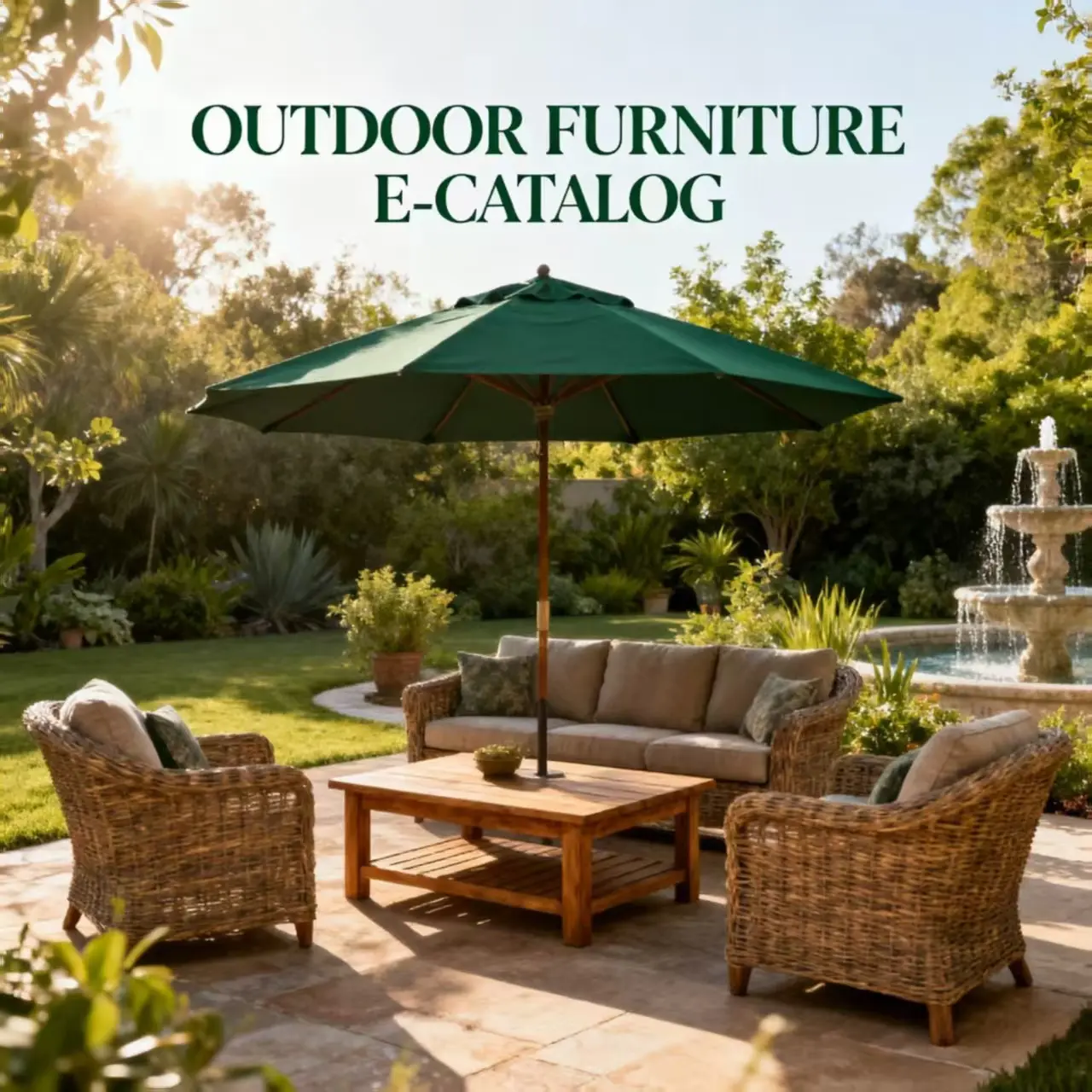
Get Your Factory-Direct Sourcing Catalog

Fabric Science: Olefin’s Resistance to Chlorine Bleaching
The Role of Polypropylene in Chemical Stability
Olefin’s resistance to chemicals comes from its synthetic polypropylene fibers. These fibers are chemically inert and non-absorbent. Unlike natural fibers, polypropylene does not soak up liquids like chlorinated water, which stops bleach from degrading the material or its color. This moisture-repellent property also prevents mildew growth, making the fabric well-suited for constant use in wet environments like pool decks.
Performance Metrics in High-Exposure Environments
Testing confirms Olefin’s strong performance in harsh conditions. Its color fastness reaches Level 6 EU / 800 hours US, maintaining its appearance in both chlorinated and saltwater environments. The fabric dries quickly, giving it an advantage over materials that retain moisture. Direct comparisons show Olefin has superior durability against chlorine and saltwater when measured against certain acrylics, making it a reliable choice for marine applications.
Baja Shelf Anchors: Designing Factory Pre-Embed Parts
Designing factory pre-embedded anchors for Baja shelves requires using 316L marine-grade stainless steel to resist corrosion in saltwater environments. Key specifications include casting the anchors directly into 4-6 inch thick concrete shelves, incorporating UV-stabilized PVC sleeves to prevent cracking, and using 316 stainless steel hardware rated for loads up to 300 lbs. Pre-treatment processes like acid pickling are essential to remove contaminants and enhance the steel’s natural corrosion resistance before installation.
Material Selection: 316L Stainless Steel for Marine Environments
Factory pre-embed parts must use 316L marine-grade stainless steel for superior resistance to salt, chlorides, and pitting corrosion in ocean-proximate environments. This grade contains molybdenum, which significantly enhances its corrosion resistance compared to 304 pool-grade steel. These designs specifically avoid galvanized steel because it is prone to rust in submerged pool applications.
Embed Design and Manufacturing Specifications
Anchors are designed to be cast directly into concrete Baja shelves, typically 4-6 inches thick, during factory production. The design incorporates UV-stabilized PVC sleeves around each anchor to prevent concrete cracking and allow for future adjustments. All hardware, including bolts and nuts, is specified as 316 stainless steel to handle loads up to 300 lbs without failing due to corrosion. Before embedding, pre-treatment processes like acid pickling remove surface contaminants from the steel, improving its long-term corrosion resistance.
Salt Spray Testing: How We Validate Corrosion Resistance
The ASTM B117 Standard: Simulating an Accelerated Coastal Environment
We expose coated metal parts to a continuous, dense fog of 5% sodium chloride solution inside a controlled chamber. The test maintains a constant temperature of 35°C to accelerate corrosion, following globally recognized ASTM B117 and ISO 9227 protocols. This method simulates years of harsh coastal exposure in a compressed timeframe, providing a reliable quality check for our finishes.
Performance Benchmarks: Hours to Red Rust and Scribe Creep Ratings
Our marine-grade systems are engineered to pass a minimum of 1,000 hours of exposure without showing red rust on the base metal. We also measure underfilm corrosion by evaluating scribe creep, ensuring the coating does not blister or peel away from the metal. This data provides quantified proof that our products are built for demanding poolside and oceanfront installations.
Maintenance for Resorts: Rinsing and Care Protocols
To maintain hardware in coastal and poolside resorts, regularly rinse surfaces with fresh water to remove salt and chlorine. For tougher buildup, use a mild, water-based acidic detergent followed by another fresh water rinse. These protocols protect 316 marine-grade stainless steel and prevent corrosion.
Daily Rinsing vs. Periodic Deep Cleaning
In high-traffic poolside and coastal areas, regularly rinse surfaces with fresh, clean water. This simple step removes salt spray, chlorinated moisture, and other corrosive deposits. When heavier buildup occurs, clean the material with a mild, water-based acidic detergent and follow up with a thorough cold-water rinse to prevent scale. The right cleaning schedule depends on the environment. High-use resorts may require daily rinsing, while marine settings typically need a deep clean every three to six months.
Best Practices for Material Integrity
Follow these care protocols specifically for 316 marine-grade stainless steel to maintain its protective chromium oxide layer. Never use carbon steel brushes, steel wool, or cleaners containing hydrochloric acid, as they can embed iron particles that cause rust. You should also implement biannual inspections for safety-critical components to monitor for issues like stress corrosion cracking and ensure long-term structural health.
Frequently Asked Questions
Will your umbrellas rust on a beachfront property?
No, our umbrellas are designed specifically for coastal environments. We use rust-proof materials like fiberglass for poles and ribs, and 316 marine-grade stainless steel for hardware. The aluminum components are also pre-treated and powder-coated to resist corrosion from salt air and moisture.
Why is acid pickling pre-treatment so important for metal parts?
Acid pickling is a critical pre-treatment that chemically removes all rust, scale, and surface contaminants from metal before powder coating. This ensures the coating adheres perfectly, preventing future blistering or corrosion under the surface. It’s a key step for long-term durability in salty or chlorinated environments.
Do you use 304 or 316 stainless steel hardware?
For all our marine-grade and poolside collections, we exclusively use 316 stainless steel hardware. This grade contains molybdenum, which gives it superior resistance to corrosion from saltwater and chlorides compared to 304 stainless steel, ensuring your furniture remains structurally sound.
Which brands of powder coating do you use?
We partner with top-tier suppliers like AkzoNobel and Tiger Drylac for our powder coatings. Their products are specifically formulated for architectural and marine applications, providing a durable, weather-resistant finish that stands up to intense sun, salt spray, and daily use in commercial resort settings.
Final Thoughts
Building furniture that lasts in coastal or poolside settings depends on a system of carefully chosen materials and processes. It starts with a clean foundation, where acid pickling prepares steel for a durable coating from brands like AkzoNobel or Tiger Drylac. Every piece of hardware matters, which is why 316 marine-grade stainless steel is used for its superior corrosion resistance over standard 304 steel. This attention to detail extends to fabrics like Olefin, which resist chlorine and salt, ensuring every component works together to withstand harsh environments.
For resort and hospitality managers, understanding these specifications is key to making a smart long-term investment. Furniture built with these marine-grade standards reduces the risk of rust, fading, and structural failure. This translates to lower maintenance costs, fewer replacements, and a safer, more reliable guest experience. Looking beyond the initial price tag to these technical details ensures you get equipment truly built for the demands of a coastal environment.



 English
  Spanish
  French
  German
  Portuguese