Paying an unseen margin to a trading company erodes profits, while a CIF shipment can add non-negotiable charges like a $300 China Import Service Fee. Factory-direct sourcing eliminates these financial risks and communication gaps from the start.
This guide shows how to verify a factory using its ISO 9001 scope, contrast the Linhai cluster with Guangdong, and choose FOB Ningbo over CIF. We’ll also cover AQL 2.5/4.0 inspections and weigh 30/70 T/T payments against an L/C.
The “Real Factory” Test: Verification & Production Lines vs. Trading Companies
A “real factory” test verifies a supplier has its own production lines, engineering staff, and quality control systems. This is the key difference from a trading company, which operates as a middleman.
Verification involves checking business licenses, conducting on-site inspections, and reviewing quality certifications like ISO 9001 to confirm their operational status.
| Feature | Direct Factory | Trading Company |
|---|---|---|
| Operations | Owns and runs production lines; employs engineers and workers. | Functions from an office; coordinates with external factories. |
| Cost Structure | Direct pricing without added margins. | Adds a margin to the factory’s price, increasing your cost. |
| Quality Control | Direct oversight and in-house QC systems (e.g., ISO 9001). | Limited control; quality can be inconsistent across suppliers. |
| Communication | Clear, direct access to technical teams for OEM/ODM. | Communication is relayed, which can cause delays and errors. |
Defining the Difference: Direct Factories vs. Trading Companies
When sourcing products like commercial patio umbrellas, knowing your supplier’s business model is essential. A direct factory owns its production equipment, manages its own workforce, and controls every step from raw material to finished product.
In contrast, a trading company is a sourcing agent. It operates as an intermediary, taking your order and then placing it with one or more factories. While they can offer a wide catalog, this often leads to higher costs and less control over quality and timelines.
Working directly with a manufacturer like Patiofurnituresco gives you better cost control and direct communication for customizations. It removes the extra layer, ensuring your technical specifications for OEM/ODM projects are understood by the engineers actually building the product.
How to Verify a Supplier: A Practical Checklist
Performing due diligence protects your investment and ensures supply chain reliability. A few straightforward checks can help you confirm whether you’re dealing with a manufacturer or a middleman.
- Review the Business License: A manufacturer’s license will list “Production” or “Manufacturing” in its official scope. A trading company’s license will typically state “Trading,” “Wholesale,” or “Export.”
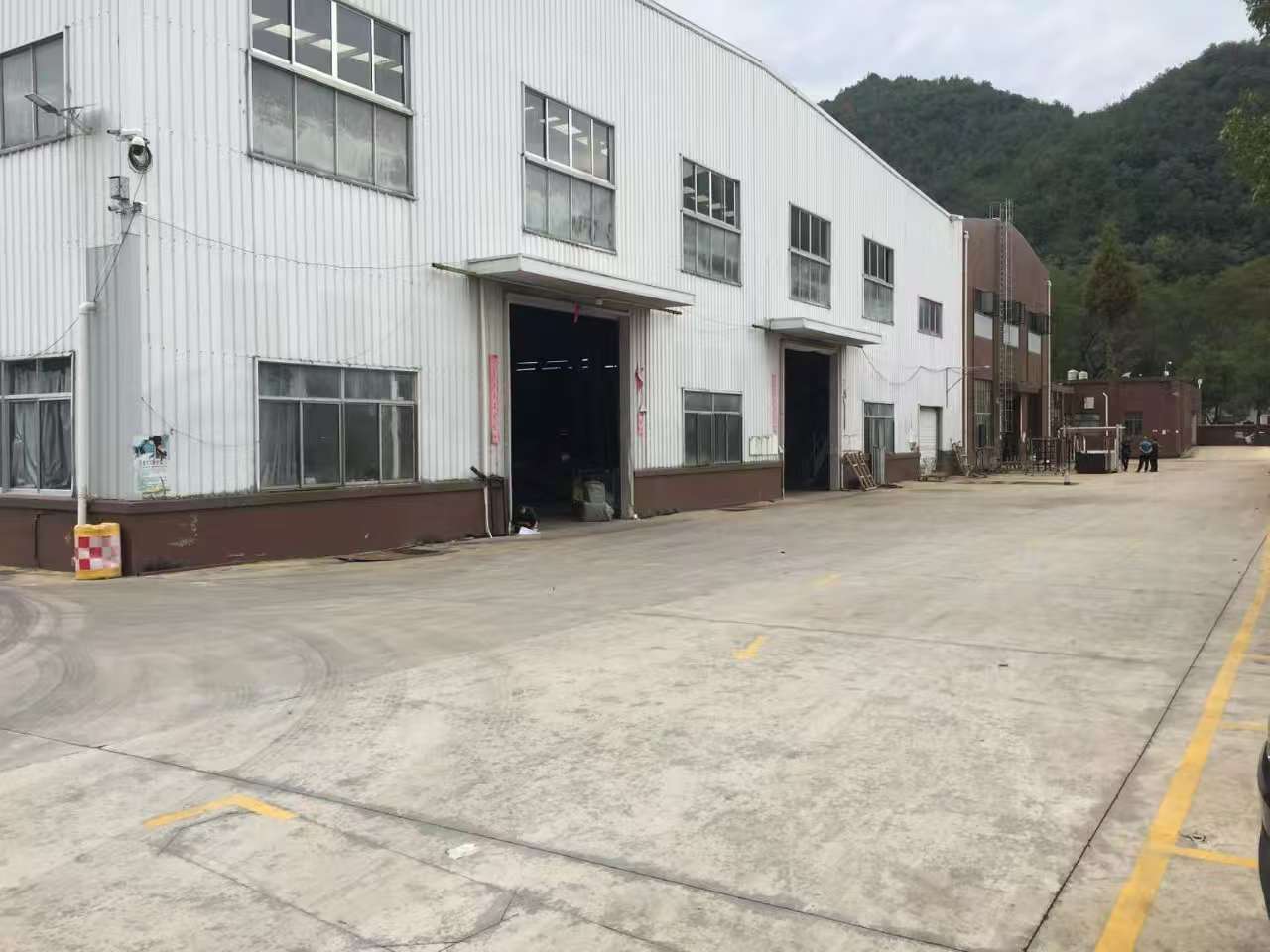
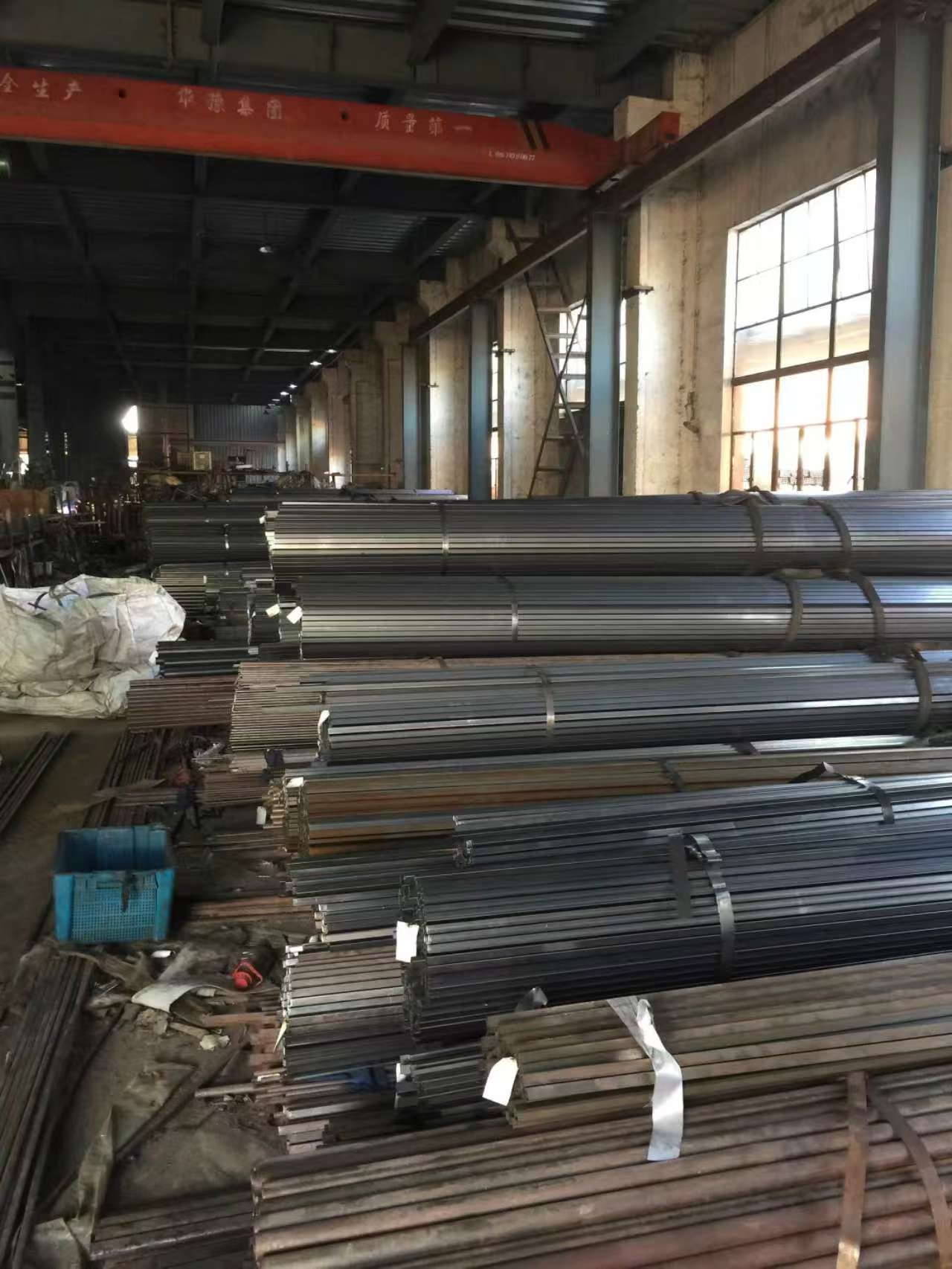
- Conduct a Factory Tour: Ask for a detailed virtual or physical tour. Look for active machinery, raw material inventory, and an on-site quality control lab, not just a polished showroom.
- Request Technical Documents: A real factory can provide material certificates, internal testing reports, and certifications like ASTM E2500 that are specific to their production process.
- Talk to Their Engineers: Engage the supplier’s technical team with specific questions about materials or design changes. A factory will provide detailed answers, while a trader’s responses might be slow or unclear as they wait for information from their supplier.
Industrial Clusters for Commercial Patio Umbrella Manufacturers: Why Location Matters
Your factory’s location in China impacts cost, logistics, and product specialization. Guangdong offers immense scale and a diverse high-tech supply chain. The Linhai/Ningbo area in the Yangtze River Delta provides specialized manufacturing hubs for goods like outdoor furniture, paired with world-class logistics through the Port of Ningbo.
When sourcing products like patio umbrellas, understanding China’s industrial geography is key. Not all manufacturing regions are the same. A factory’s location determines its access to specific raw materials, skilled labor, and shipping ports.
Two dominant mega-regions lead the way: Guangdong Province in the south and the Yangtze River Delta (YRD) near the eastern coast. Choosing between them depends entirely on your product needs and business goals.
| Feature | Linhai (Taizhou) | Ningbo | Guangdong |
|---|---|---|---|
| Primary Role | Specialized Manufacturing | Global Logistics Hub | Mega-Scale Production |
| Production Focus | Niche Products (e.g., Outdoor Furniture) | Port Services & Trade | Electronics & Consumer Goods |
| Key Advantage | Deep industry expertise and concentrated supply chain. | Lowers shipping costs and transit times for nearby factories. | Unmatched scale and access to a vast component ecosystem. |
Defining the Key Production Hubs
Guangdong Province is an economic powerhouse in southern China. It’s famous for its enormous manufacturing scale, especially in electronics and high-tech products. With over 77,000 high-tech enterprises, it’s a hub for complex supply chains and mass production.
The Yangtze River Delta (YRD) is a different kind of giant. This region, which includes Zhejiang and Jiangsu provinces, is a network of specialized industrial cities. It has critical port infrastructure like Ningbo and hosts focused clusters, such as the Taizhou area for outdoor furniture and recreation products.
Sourcing Analysis: Specialization vs. Scale
Linhai, a city within Taizhou, is a perfect example of a specialized industrial cluster. This area is the heart of China’s outdoor furniture industry. The concentration creates deep expertise and a local supply chain dedicated to everything from aluminum frames to all-weather fabrics.
Operating our factory in Linhai gives us a distinct advantage. We have direct access to specialized materials and a skilled workforce, allowing us to build contract-grade outdoor furniture with greater efficiency and control.
Ningbo’s main role is logistics. Its world-class port is a gateway for exports from Linhai and other nearby manufacturing zones. This proximity significantly reduces inland transportation costs and shortens lead times, making the entire sourcing process smoother.
Guangdong offers incredible scale for general manufacturing. You can find almost any component there. Yet, for a niche category like commercial-grade patio umbrellas, it may not have the focused expertise or specialized supply chain found in a dedicated cluster like Linhai.
Incoterms Decoded: Managing Risk Transfer from FOB to CIF in 2026
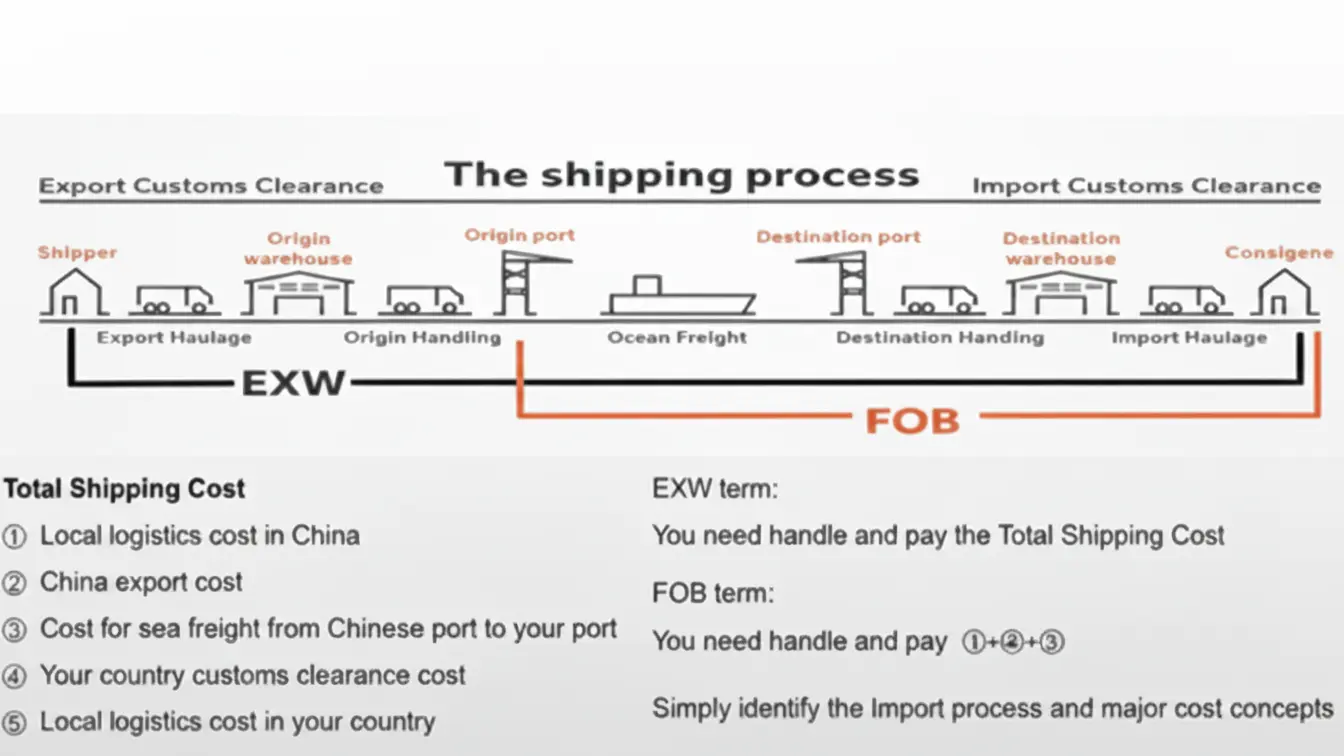
While both FOB and CIF transfer physical risk at the same point—once goods are on the ship—they differ greatly in cost control.
FOB gives the buyer authority over shipping costs and helps avoid hidden fees. CIF, arranged by the seller, can lead to expensive, non-negotiable charges at the destination port.
FOB vs. CIF: The Same Risk Transfer Point
Under the Incoterms 2020 rules applicable in 2026, both FOB (Free On Board) and CIF (Cost, Insurance, and Freight) define the risk transfer point identically.
Risk transfers from the seller to the buyer at the moment goods are loaded ‘on board the vessel’ at the port of origin.
This means the buyer is responsible for any loss or damage during the main ocean voyage, no matter if the term is FOB or CIF. The seller’s liability ends at the ship’s rail.
Cost Control and Hidden Fees: The Real Difference
The primary difference is financial control. FOB gives you, the buyer, the power to select your own freight forwarder.
This allows for negotiation of all-in shipping rates and ensures transparent charges at the destination, preventing costly surprises.
CIF shipments from China can introduce unexpected costs. Small LCL shipments often face non-negotiable fees like a China Import Service Fee (CISF), which can exceed $300.
Insurance is another factor. With CIF, the seller is only obligated to provide minimum ‘Clause C’ insurance. FOB allows you to choose more comprehensive ‘Clause A’ (all-risks) coverage for greater protection.
Working with a direct manufacturer like Patiofurnituresco provides the expertise to navigate these terms, helping you make the best choice for your budget and risk tolerance.
Your Factory-Direct Partner for Custom Commercial Umbrellas

The “Golden Week” Factor: How to Plan Orders Around CNY Closures
China’s major holidays, like Chinese New Year and National Day, cause a system-wide disruption lasting about three weeks, not just the official seven days. To prevent delays, you must confirm production 4-6 weeks prior and schedule shipments at least 10 days before the holiday begins.
The Two Major Production Blackouts: CNY and National Day
China’s entire supply chain effectively pauses twice a year for major national holidays. These are the Spring Festival (Chinese New Year) in late January or February and the National Day Golden Week, which starts on October 1st.
While the official holiday lasts about a week, the real disruption spans two to three weeks. This includes a frantic pre-holiday rush to ship goods out and a slow post-holiday period as factories and logistics networks clear backlogs and return to normal.
Spring Festival is the most significant disruption. It involves the largest annual human migration on earth, as workers travel home. This can cause labor shortages and require retraining when factories reopen, extending the ramp-up time.
A Strategic Calendar for Placing Orders and Securing Shipments
Navigating these periods requires planning ahead. A clear timeline helps you avoid getting your products stuck in the pre-holiday chaos or the post-holiday recovery.
- Secure Production Early: Confirm your production slots with the factory at least 4-6 weeks before a Golden Week begins. This locks in your capacity before the last-minute surge consumes all available resources.
- Set an Early Shipping Date: Aim to have your cargo ready to ship 7-10 days *before* the holiday starts. This gives you a safe window to get your goods out of the factory and past the port before everything closes.
- Add a Post-Holiday Buffer: Build at least one extra week into your schedule *after* the holiday ends. It takes time for the cargo backlog to clear and for production lines to reach full efficiency again.
QC Standards: Implementing AQL 2.5/4.0 Inspections & Third-Party Audits
AQL 2.5/4.0 is a statistical inspection method based on ISO 2859-1 where a random sample of products is checked. It allows a maximum of 2.5% major defects and 4.0% minor defects in the sample, ensuring consistent quality without inspecting every single unit. Third-party auditors are often hired to perform these checks impartially before shipment.
When ordering thousands of patio umbrellas, inspecting every single unit is not practical. Instead, importers and manufacturers use a statistical standard called the Acceptance Quality Limit (AQL) to verify quality efficiently.
This method provides a reliable snapshot of the entire production run’s quality without causing major delays or costs. It is the international standard for managing quality control in large-scale manufacturing.
What AQL 2.5/4.0 Means for Product Quality
AQL is an agreement defined by the ISO 2859-1 standard. It sets a clear boundary for the maximum number of defective items allowed in a randomly selected sample. If the sample passes, the entire order is accepted.
Defects are categorized by severity to determine if an order meets the client’s tolerance levels.
- Critical Defects (AQL 0.0%): Zero tolerance is allowed for any defect that could harm a user. For a patio umbrella, this might include sharp metal edges or a base that risks structural failure.
- Major Defects (AQL 2.5%): The sample can have a maximum of 2.5% of these flaws. These are issues that affect the product’s function or appearance, like a broken tilt mechanism or a large tear in the canopy fabric.
- Minor Defects (AQL 4.0%): Up to 4.0% of the sample can have minor cosmetic issues. These defects don’t impact usability but are not ideal, such as small paint scratches or minor stitching errors.
The Inspection Process: Sample Sizes and Third-Party Audits
The inspection starts with determining the right sample size. Inspectors use official AQL tables, typically applying “General Inspection Level II” for consumer products like outdoor furniture.
For example, in a 4,000-unit patio umbrella order, an inspector would check a random sample of 200 units. The entire shipment is approved if the inspector finds zero critical defects and no more than 10 major defects within that sample.
If the number of defects exceeds the AQL limits, the batch fails. The factory is then responsible for reworking or replacing the faulty goods before a new inspection can occur.
To ensure the results are unbiased, many B2B buyers hire independent audit firms like QIMA or HQTS. A qualified direct manufacturer fully cooperates with these third-party audits, providing complete documentation and factory access so you can verify that every order meets the agreed quality standards before it leaves the production line.
Payment Safety: Negotiating T/T Deposits vs. L/C for Large Orders
For large orders, a 30/70 T/T (Telegraphic Transfer) is fast and common with trusted suppliers, but it carries risk. A Letter of Credit (L/C) is slower and costs more (0.1% to 1% of the invoice value) but offers a bank guarantee, making it the safer choice for new partners or high-value shipments.
T/T Payments: The Balance of Speed and Risk
The standard industry payment structure is a 30% T/T deposit to start production and a 70% balance paid before shipment or against a copy of the Bill of Lading (B/L).
This 30/70 split provides the factory with essential working capital to procure materials but leaves them exposed on the final 70% balance until payment is complete.
T/T payments are fast. Funds typically clear in just 1–3 business days through a SWIFT wire transfer, making it an efficient method for repeat business with established partners.
The main drawback is that T/T offers no bank guarantee. It places all payment and performance risk directly on the buyer and seller, which is why it works best in long-term, trusted relationships.
L/C: Bank-Guaranteed Security for High-Value Orders
An L/C, or Letter of Credit, is a bank’s formal commitment to pay the supplier once specific, compliant shipping documents are presented. This process nearly eliminates non-payment risk for the exporter.
This method is the safest and most preferred option for high-value orders or when working with new suppliers. It provides a strong layer of security for both parties involved.
Common L/C structures include a ‘Sight L/C’ for immediate payment upon document presentation, or a ‘Usance L/C,’ which provides deferred payment terms such as 60 or 90 days after the Bill of Lading date.
This security involves higher costs, with bank fees ranging from 0.1% to 1% of the total invoice value. The document verification cycle is also longer, typically taking 5 to 15 business days to complete.
Sample Protocol: The Costs and Logistics of Pre-Production Samples
In 2026, a pre-production sample is a paid engineering milestone, not a free item. Expect to pay US$100–$500+ for the unit, shipped via express courier. Factories typically take 5-7 business days for production before shipping it for your approval, which locks in specifications before a bulk order.
Understanding the process for getting a pre-production patio umbrella sample is key when sourcing from China. This is not a free giveaway; it is a critical step that defines your final product and locks in your quality standards.
This guide breaks down the typical costs, payment terms, and timelines you can expect. It helps you plan your project budget and schedule effectively before committing to a large order.
Calculating Sample Costs and Payment Terms
Factories charge for samples, with prices often ranging from US$100 to over $500 for a single patio umbrella. This cost reflects the item’s complexity and is usually close to a small-order FOB rate.
Unlike bulk orders that use a 30% deposit structure, sample payments are almost always required 100% upfront. This payment is typically made through a T/T (telegraphic transfer) before any work begins.
The sample fee covers more than just the physical product. It functions as a paid engineering milestone to confirm material quality, colorfastness, and print accuracy before mass production.
The price can also reflect underlying compliance costs if the factory adheres to international standards. For example, a manufacturer like Patiofurnituresco that meets safety norms (EN 581) or sustainability certifications (GRS) factors this value into the cost.
Production and Shipping Timelines
Once you confirm the technical specifications and artwork, an efficient OEM factory can produce your sample in about 5 to 7 business days.
To ensure a speedy delivery, samples are sent via express couriers such as DHL, UPS, or FedEx. You can expect a transit time of roughly one to two weeks, depending on your location.
Be prepared for shipping costs. Patio umbrellas are long (often over 2 meters), so couriers charge based on dimensional weight, which can be a significant part of the total landed cost.
The entire sample approval cycle, including any revisions, can add 2 to 4 weeks to your project timeline. This happens before the main 30-70 day bulk production schedule even starts, so planning for it is essential.
Final Thoughts
Sourcing directly from China is about managing risk, not just finding the lowest price. A single misstep in factory verification, Incoterms, or quality control can erase your margins and derail timelines. Success requires proactive control over every logistical and financial detail before your goods leave the port.
A transparent manufacturing partner turns this complexity into a competitive advantage. They ensure your orders meet AQL standards and ship on schedule, protecting your investment and building a resilient, cost-effective supply chain for years to come.
Frequently Asked Questions
How can I verify if you are a real factory or a trading company?
We are a direct-from-factory manufacturer located in Linhai, Taizhou. You can verify our status by checking our business license, which clearly lists manufacturing scopes like production.
We also encourage you to request photos or videos of our production lines and confirm that our ISO 9001 certification is scoped for manufacturing, not just trading.
What is your standard lead time for a 40HQ container order?
Our standard production lead time for a full 40HQ container is approximately 25–35 days. This schedule begins after we receive your deposit and you approve the final artwork or pre-production sample.
This timeframe covers factory production only and does not include the additional time for ocean transit.
Why do you quote FOB Ningbo and how does location affect the price?
We quote FOB Ningbo because our factory is located very close to Ningbo Port. This price covers the product cost plus all local charges to get the goods loaded onto the ship at that specific port.
If you need to ship from another port, like Shanghai, we would have to add inland trucking costs, which typically range from $100–$300 per container and would increase the final unit price.
What are your payment terms for new bulk B2B orders?
For new clients, our standard payment term is a T/T (Telegraphic Transfer) of a 30% deposit to begin production. The remaining 70% balance is due before we ship the goods.
For established partners with a consistent history of orders, we can discuss more flexible terms, such as Net 30.