

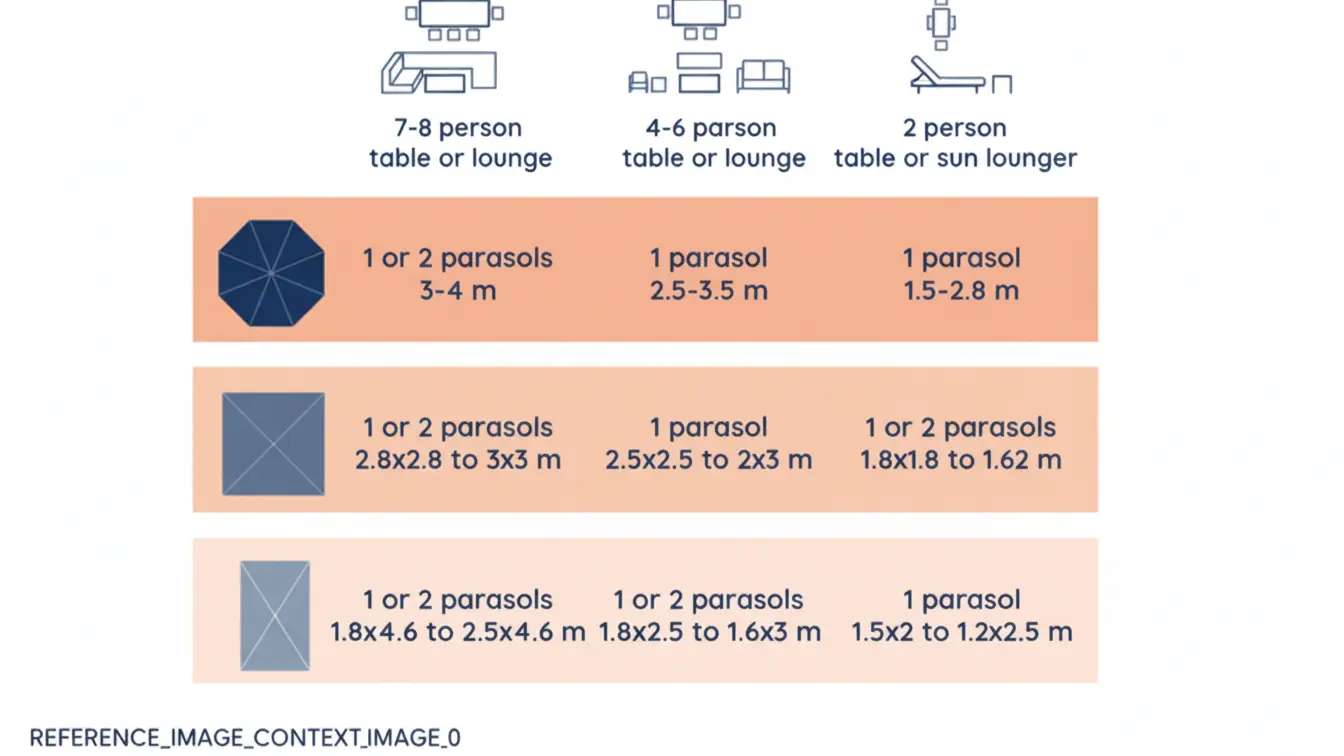
Choosing the right patio umbrella can be confusing when you’re unsure how size affects shade coverage and balance. Shoppers often hesitate because the wrong fit can leave guests exposed to sunlight or make the setup unstable on windy days.
This patio umbrella size guide breaks down how to measure your table, choose the correct canopy size, and match shape and proportions to your space. It helps buyers find the ideal size for comfort, safety, and a polished outdoor look.
How to Measure Your Table for a Patio Umbrella
Measure your table’s diameter if round, or its length and width if rectangular or square. Then add 4 feet total (2 feet on each side) to determine the minimum umbrella canopy size needed. This ensures the umbrella extends beyond the table edges for proper shade.
Many buyers struggle to find the right umbrella size because they only measure their tabletop surface. The best way is to factor in both table dimensions and chair clearance to ensure complete shade coverage for your seating area.
Measuring Your Table: Step-by-Step
The first step in selecting the right umbrella is taking accurate measurements of your table. The right sizing ensures the canopy provides shade that extends beyond all edges for optimal comfort.
- 💡 For round tables, measure straight across the center from one edge to the opposite to get the diameter.
- 💡 For rectangular or square tables, measure both length and width, using the longer dimension as the reference.
- 💡 For square tables, measuring diagonally from corner to corner helps confirm full corner coverage.
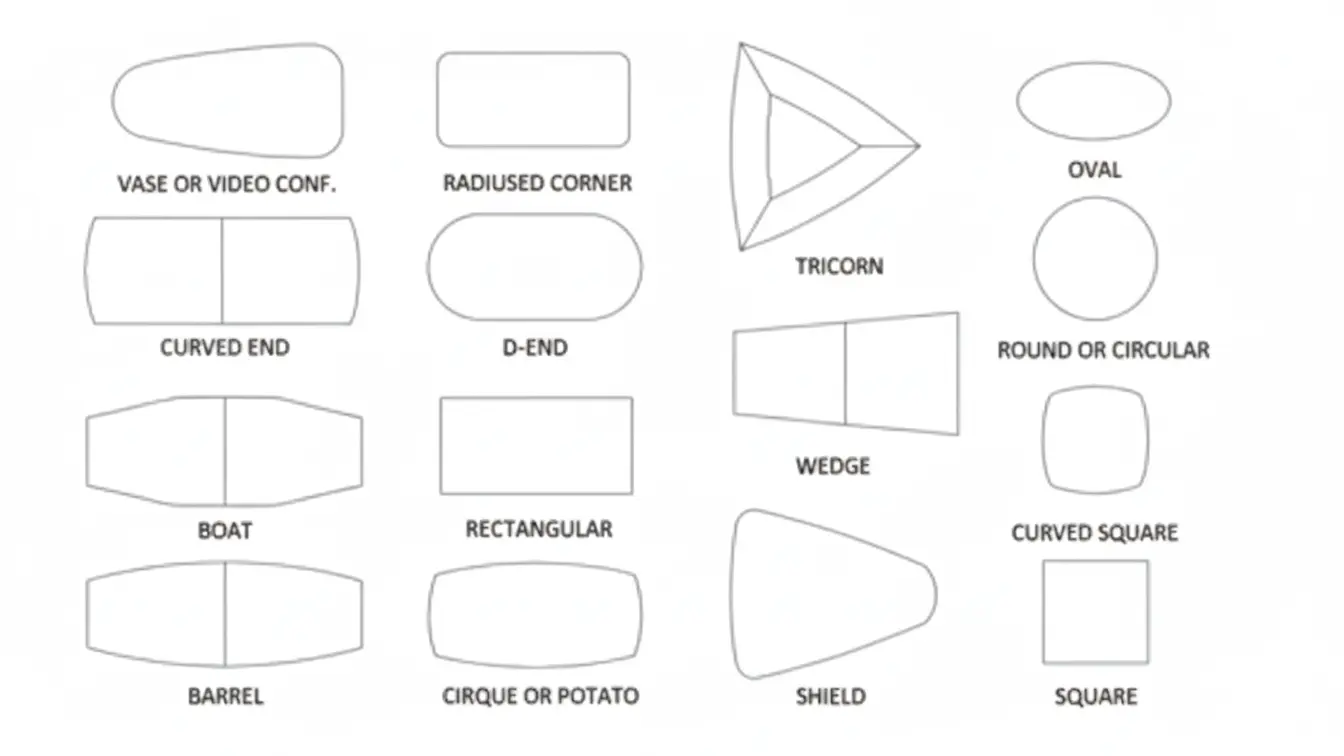
- 💡 For irregular shapes, break the surface into smaller sections or use the longest dimension as a guide.
- ✅ Always add 4 feet total (2 feet per side) to allow adequate shade beyond the edges.
Key Measurements and Size Recommendations
Below is a quick reference guide that matches table dimensions with corresponding umbrella sizes. These guidelines are based on common pairing standards used in hospitality and commercial outdoor settings.
| Table Type & Size | Recommended Umbrella Size | Seating Capacity | Notes |
| Round tables 30–36 in | ✅ 6–8 ft | 2–4 seats | Compact for cafes or small patios |
| Round tables 40–48 in | ✅ 9 ft | 4–6 seats | Most popular residential size |
| Round tables 54–60 in | ✅ 11 ft | 6–8 seats | Ideal for mid-size commercial dining |
| Rectangular tables up to 64 in | ✅ 9 ft | 4–6 seats | Good for compact terraces |
| Rectangular tables up to 84 in | ✅ 11 ft | 6–8 seats | Common in restaurant patios |
| Rectangular tables up to 96 in | ✅ 13 ft | 8–10 seats | Suited for large gatherings or commercial use |
Standard pole heights range from 7–10 ft, and bases should weigh at least 35 lbs for smaller umbrellas, with heavier bases for larger canopies. In our experience, 8–9 ft poles maintain the right balance between coverage and head clearance for most patio tables.
Common Mistakes to Avoid When Measuring
Accurate measurements prevent wasted effort and ensure your umbrella functions as intended. Here are some common missteps to look out for:
- ⚠️ Ignoring the space chairs occupy when pulled out, which can extend 18–24 in beyond the table edge.
- ⚠️ Overlooking table overhangs or unusual shapes that may affect umbrella pole alignment.
- ⚠️ Measuring only the tabletop surface and not the entire shaded seating area.
- ⚠️ Forgetting to account for the tilt function, which requires extra vertical room.
Pole Height and Clearance Considerations
The height of the umbrella significantly affects comfort and usability. Proper clearance prevents the canopy from obstructing views or interfering with guests.
- 💡 Standard pole heights are between 7–10 ft; 8–9 ft works well for most patio tables.
- ✅ Maintain at least 7 ft of clearance under the canopy to comfortably fit seated guests.
- ⚠️ In spaces under pergolas or awnings, measure vertical space carefully before finalizing the purchase.
- 💡 Allow a bit more height if your umbrella includes a tilt feature to avoid collisions when adjusting the angle.
By following these guidelines, you’ll find it easier to select an umbrella that balances aesthetics, function, and comfort — a key detail for both residential buyers and commercial operators seeking lasting outdoor shade solutions.
Choosing the Right Patio Umbrella Size for Your Needs
Selecting the right patio umbrella size means choosing a canopy diameter that extends at least 2 feet beyond your table or seating area on all sides. Also consider pole height (typically 7–10 feet), a base weight suited to the umbrella size, and enough space for tilt and movement.
Choosing the best umbrella size comes down to proportion and function. In our experience, proper measurement ensures consistent shade coverage, stability, and day-to-day usability. The right size prevents awkward overhangs or tip risks during windy conditions.
Measuring and Matching Canopy Size
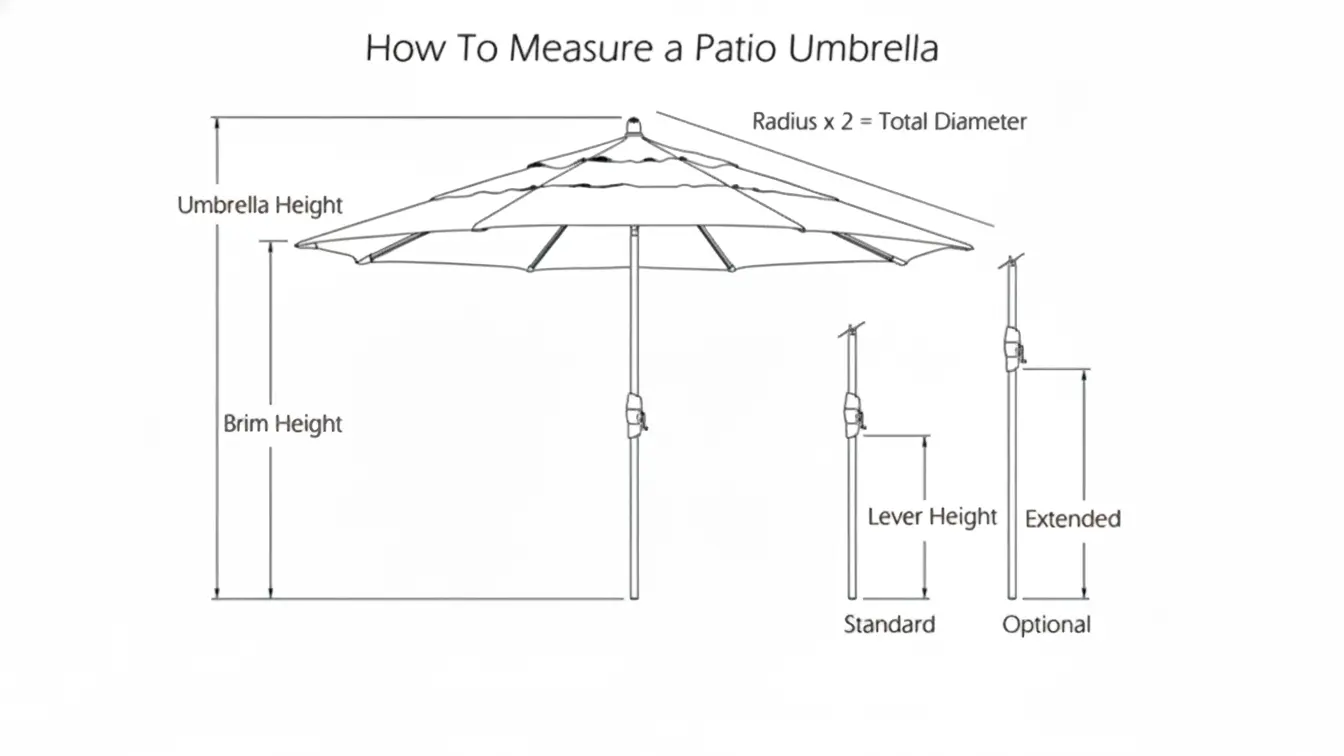
Start by fully extending the canopy and measuring from the tip of one rib to the tip of the opposite rib — that’s your umbrella’s diameter. For square or rectangular canopies, measure across the longest side instead of the diagonal to get an accurate reading.
- 💡 The canopy should extend 2–3 feet beyond the edge of your table or seating area on each side to provide full coverage and convenience.
- ✅ Typical canopy diameters range from 6 to 13+ feet, depending on the size of your outdoor table or lounge set.
- ⚠️ A smaller canopy may leave some areas exposed during afternoon sun shifts, especially for rectangular tables.
This measurement helps you match umbrella size to common setups like 9 ft for a 4–6 person table or 11–13 ft for larger group settings.
Pole Height and Base Weight Considerations
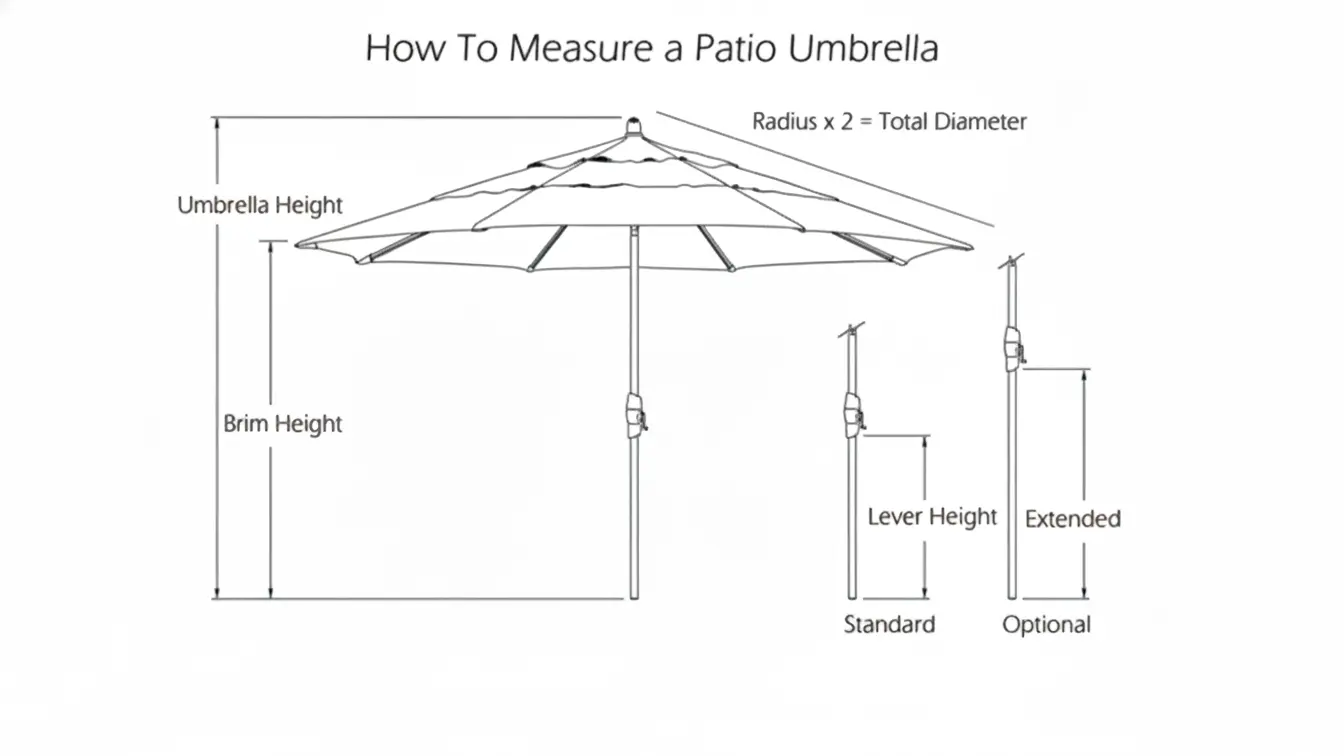
The pole height determines overhead comfort and clearance. Standard umbrella poles range between 7–10 feet, with 8 feet being ideal for dining setups where people sit beneath the canopy. Pole diameters usually vary between 1.5–2.5 inches to fit typical table holes or base slots.
| Umbrella Size | Recommended Base Weight | Notes |
|---|---|---|
| 6–8 ft | 20–40 lbs | ✅ Suitable for small cafes or bistro tables |
| 9–11 ft | 50–75 lbs | 💡 Works well for medium 6-person dining sets |
| 12+ ft | 100+ lbs | ⚠️ Offset and cantilever umbrellas need extra anchoring |
Offset umbrellas, in particular, require much heavier bases or additional anchors for safety during unpredictable wind conditions.
Assessing Space and Clearance Needs
Before setup, measure both vertical and horizontal clearances. Make sure the total pole height comfortably fits under patio coverings or pergolas — especially if the umbrella includes a tilt feature. Standard models between 8–9 feet usually fit under most decks or canopies.
- ✅ Maintain at least a few feet of open space around the perimeter for smooth rotation and tilt movement.
- 💡 Check that the pole diameter matches your table hole or base mount to ensure secure fitting.
- ⚠️ Avoid placing umbrellas too close to walls, fences, or furniture edges, which can limit adjustment angles.
A quick layout sketch or measurement before purchase helps you identify the right proportions for your patio’s footprint.
Common Sizing Mistakes and How to Avoid Them
Some of the most common issues happen when an umbrella is undersized or the base weight is underestimated. Here are key mistakes and how to prevent them:
- ❌ Picking an umbrella too small results in uneven shade and exposed seating edges. Always ensure 2–3 feet of canopy overhang on all sides.
- ⚠️ Not accounting for tilt clearance can cause obstruction with railings or walls.
- ❌ Using an underweighted base invites tipping hazards in wind gusts.
- ✅ Match size, base, and space properly to extend umbrella durability and daily usability.
By following this patio umbrella size guide, you can create a safe, comfortable, and stylish outdoor space that balances form and function — whether for home patios or large hospitality venues.
Patio Umbrella Shapes and Their Size Considerations
Different patio umbrella shapes provide unique shade coverage and design benefits: round umbrellas offer 360° symmetrical shade and are the most affordable, square umbrellas deliver about 30% more shade than round of the same diameter, rectangular umbrellas maximize elongated coverage, and octagonal umbrellas combine durability with balanced shade, making shape choice key to fitting furniture and outdoor space.
Choosing the right umbrella shape affects both shade comfort and how well your outdoor setup looks balanced. In our experience manufacturing contract-grade shade systems, clients often choose by furniture shape and coverage preferences rather than cost alone.
Overview of Common Patio Umbrella Shapes
- ✅ Round umbrellas: Range from 6–11 ft diameter, ideal for round tables up to 54 inches. They provide roughly 44–78 sq ft of shade and are the most economical choice.
- ✅ Square umbrellas: Typically 7–10 ft per side, offering about 30% more shade than a round umbrella of similar diameter—great for square furniture or corner settings.
- ✅ Rectangular umbrellas: Common size 6.5’×10′, perfect for long dining areas or poolside lounges; often feature cantilever support to free up center space.
- ✅ Octagonal umbrellas: Span 9–13 ft, combining durability and balanced shade. Their wind-resistant construction suits premium commercial patios.
- ✅ Hexagonal umbrellas: Offer an eye-catching style with more shade than round versions. They suit medium to large tables but are less common.
Shade Coverage and Size Guidelines
- 💡 Measuring tips: Round and octagonal umbrellas are measured across the diameter, while square and rectangular styles are measured by side lengths—this changes how large they appear.
- ✅ Coverage examples: A 6 ft umbrella shades about 33 sq ft, while a 10 ft version shades up to 78 sq ft.
- 💡 Pro portioning: Extend the canopy at least 2 ft beyond the tabletop edge for full coverage and balance.
- ⚠️ Height check: Ensure pole height of at least 7 ft to maintain head clearance around dining areas.
- ✅ Shape matching: Round tables do best with round umbrellas about 1.5× the table diameter, while rectangular tables need umbrellas spanning about ⅔ of the table’s length.
Key Differences and Benefits by Shape
| Shape | Advantages | Typical Use |
| ⚪ Round | Most available and budget-friendly; symmetrical shade. | Casual patios, café seating |
| ⬛ Square | Provides about 30% more shade; fits contemporary or angular layouts. | Bars, corner placements, modern decks |
| ▬ Rectangular | Covers long seating; often cantilever-mounted to clear space below. | Restaurants, resort pools |
| 🟠 Octagonal | Durable, wind-resistant, sophisticated look; higher cost tier. | Luxury hotels, upscale lounges |
| 🔷 Hexagonal | Stylish shape, balanced shade, moderate coverage. | Custom venues, designer terraces |
Common Misconceptions About Patio Umbrella Sizes and Shapes
- ⚠️ A 10 ft square umbrella shades far more area than a 10 ft round umbrella due to perimeter shape differences.
- 💡 Premium round designs with high-grade fabric or cantilever bases can exceed the price of basic square models.
- ✅ Octagonal and hexagonal umbrellas add structural ribs that enhance wind resistance—preferred in commercial environments.
- ⚠️ Selecting size without matching to furniture shape and sunlight angle lowers shade efficiency.
- ✅ Use bases sized for stability: about 35 lb for 6 ft umbrellas up to 75 lb for 11 ft units.
Elevate Your Outdoor Spaces with Custom Commercial Umbrellas
Partner directly with Patiofurnituresco for premium, durable umbrellas engineered to thrive in any climate—complete with tailored OEM/ODM solutions and low MOQ for seamless market entry. Experience factory-direct quality backed by 16 years of manufacturing expertise and global certification.

Common Mistakes When Selecting Patio Umbrella Sizes
Common mistakes include underestimating coverage needs by choosing umbrellas that match table size instead of exceeding it by 2 feet, ignoring proper base weight requirements for stability, measuring tables incorrectly, and overlooking differences in canopy design that affect shade area.
Choosing the right patio umbrella size seems simple, but small errors can lead to poor coverage, instability, or mismatched proportions. In our experience working with commercial buyers and hospitality venues, accurate measurement and proper weighting are the most overlooked factors. The sections below outline the frequent issues and how to avoid them.
Undersizing Umbrellas and Measurement Errors
One of the most common issues is choosing umbrellas that are too small for the table or seating area. Many shoppers select umbrellas equal to the table size instead of allowing for an extra 2 feet of overhang on each side for adequate coverage.
- ⚠️ A table measuring 6–8 feet in diameter or length typically needs at least an 8-foot umbrella to provide comfortable shade.
- ⚠️ For square or rectangular tables, buyers sometimes measure diagonally, which can misrepresent the true size. The correct method is measuring across the longest side only.
- 💡 Accurate measurements prevent partial shading and ensure balanced visual proportions between the umbrella and the furniture layout.
Base Weight and Stability Requirements
Proper base weight is essential for safety and performance. Using lightweight bases for large umbrellas is a common mistake that can result in tipping during wind or movement.
| Umbrella Size | Recommended Base Weight | Notes |
| 9–11 ft | 50–75 lbs | ✅ Standard use for dining setups |
| 12+ ft | 100+ lbs | ⚠️ Required to withstand larger canopies |
| Cantilever 8–9 ft | Up to 220 lbs | ❌ Lightweight bases are unsafe due to offset leverage |
Commercial settings exposed to frequent wind may require even heavier bases or permanent anchoring systems for added safety and compliance.
Pole Height and Canopy Design Considerations
Beyond diameter, umbrella pole height and canopy shape play a major role in comfort and shade performance. Standard pole heights range from 7 to 9 feet, with around 8 feet being optimal for most dining areas.
- 💡 Ensure the pole diameter fits snugly into the table hole or base socket to avoid wobbling or collapse.
- ⚠️ Two umbrellas labeled as 9 ft can deliver different coverage due to canopy shape, tilt angle, or rib structure.
- ✅ Square canopies often deliver more consistent shade coverage than round ones for the same nominal size.
Critical Perspectives on Common Misconceptions
These mistakes persist even among experienced buyers. Following a few verified sizing and safety principles can make a major difference in function and longevity.
- ⚠️ Ignoring the 2-foot overhang guideline leads to partial shading and guest discomfort during peak sun hours.
- ⚠️ Underestimating base weight is a serious safety risk, especially for cantilever umbrellas with side loading.
- 💡 Measuring tables incorrectly can cause mismatched proportions—either too small to cover the area or unnecessarily large and heavy to manage.
- ✅ Recognizing that canopy design varies helps buyers select umbrellas that truly match shade and comfort expectations.
In our experience at Patiofurnituresco, commercial buyers who follow these sizing and safety parameters achieve better long-term satisfaction, fewer replacements, and a more polished look for outdoor spaces.
Tips for Positioning Your Patio Umbrella
Proper patio umbrella positioning depends on three critical factors: sun angle and direction, wind exposure, and functional coverage area. Strategic placement maximizes shade efficiency, extends product lifespan, and enhances both residential comfort and commercial revenue potential.
Finding the ideal spot for your patio umbrella isn’t just about comfort—it’s about extending its life and ensuring your outdoor area remains inviting all day long. In our experience working with hotels, retailers, and developers, the right positioning keeps guests cool, spaces balanced, and umbrellas secure through changing weather conditions.
Optimizing Sun Angle and Direction
Sun position changes throughout the day, so maximizing shade requires thinking about the solar path. In the Northern Hemisphere, place umbrellas on the west or southwest side to block the strong afternoon sun, usually between 10 AM and 4 PM.
Center pole umbrellas, commonly used in residential patios and cafés, perform best when placed in the middle of dining or lounge zones. This ensures even shade coverage, clear sightlines, and a balanced appearance across your seating area.
- 💡 Place umbrellas west or southwest to intercept the afternoon sun.
- ✅ Keep central umbrellas over dining tables for consistent shade.
- ⚠️ Avoid edges where the sun moves quickly past the coverage area.
Accounting for Wind Resistance and Stability
Wind conditions can shorten an umbrella’s lifespan if ignored. Over 65% of buyers look for UV and wind-resistant designs, but even well-built umbrellas benefit from smart positioning that works with the wind—not against it.
Offset or cantilever umbrellas, used by around 55% of hospitality venues, should be positioned at roughly a 45-degree angle to prevailing winds. This reduces stress on joints and bases, keeping your outdoor space both beautiful and functional.
- ✅ Identify the direction of prevailing winds before placement.
- 💡 Use heavier bases or in-ground mounts for added wind stability.
- ⚠️ Avoid open corners where wind pressure is highest.
Selecting Coverage Area and Functional Placement
Consider both umbrella size and layout of seating areas when setting up outdoor zones. Most residential patios prefer 5–10 ft models, representing roughly 70% of user preferences. These should sit about 1.5–2 meters from seating edges to prevent wind tunnels and ensure comfortable coverage.
Larger umbrellas of 10.5 ft or more, common in high-end resorts (around 50% of commercial use), require stable bases and spacing that allow for tilt and rotation without obstruction. This flexibility lets staff or homeowners adjust shade as the sun moves.
| Umbrella Size | Ideal Placement | Environment |
|---|---|---|
| 5–10 ft | 1.5–2 m from seating edges | Residential or small cafés ✅ |
| 10.5+ ft | Open zones with heavy base support | Luxury resorts, restaurants 🏨 |
Positioning for Commercial Revenue Optimization
In commercial environments, umbrella placement directly influences customer behavior and satisfaction. Well-shaded relaxation zones in high-traffic areas such as pool decks, terraces, or restaurant patios increase guest dwell time and spending.
With the global patio umbrella market expanding at a 6.8% CAGR, operators can leverage strategic placement to justify premium room or seat pricing. Comfort-driven design leads to repeat visits and stronger brand impressions.
- 🚀 Boosts customer experience through better comfort and climate control.
- ✅ Encourages guests to stay longer in shaded zones.
- 💡 Supports premium pricing and higher table turnover efficiency.
Balancing Shade Coverage with Aesthetics and Safety
Many users focus heavily on maximum shade but overlook visual and safety factors. The best setups balance sun protection with even spacing and alignment that complements surrounding decor.
In hospitality spaces, positioning must also manage weight distribution and clearance to prevent tipping or collisions. Proper placement minimizes liabilities while maintaining a stylish, inviting atmosphere for guests.
- ✅ Align umbrella colors and lines with architectural elements.
- ⚠️ Ensure adequate distance from pathways for guest safety.
- 💡 Use symmetrical layouts for a polished, professional look.
Frequently Asked Questions About Patio Umbrella Sizes
How big of an umbrella for a 60 inch table?
For a round or square table that’s around 60 inches wide, you’ll usually want a patio umbrella that measures about 10 to 11 feet in diameter. This size gives enough shade for the table and seating area without overwhelming the setup.
In our experience working with resort and restaurant clients, this range provides stable coverage with a clean proportion between canopy and furniture. If your space is more open and exposed to wind, consider a heavy-duty base or a cantilever model from Patiofurnituresco’s commercial-grade series for better stability.
How do I measure a patio umbrella?
To measure a patio umbrella, open it fully and measure from one tip of the canopy to the opposite tip across the center. That total diameter is the umbrella size—so a canopy measuring 108 inches across is considered a 9-foot umbrella.
For commercial use, we also recommend noting the height of the pole and clearance height for guest comfort. Using accurate measurements ensures that the umbrella fits proportionally with tables or lounge setups used in hospitality environments.
Is a 9ft umbrella big enough for 6 people?
A 9-foot umbrella comfortably shades a circular or square table that seats 4 to 6 people. It offers good coverage in most backyard or café setups as long as seats are kept close to the table edge.
For full shade coverage in areas with strong midday sun or if the seating spreads wider, moving up to a 10 or 11-foot umbrella gives better protection. Many of Patiofurnituresco’s commercial clients choose this size range to ensure guests remain shaded throughout the day.
How much overhang should a patio umbrella have?
The general rule is to allow the umbrella canopy to extend about 2 feet beyond each side of the table. For example, if the table is 48 inches wide, aim for a 9-foot umbrella to achieve the right balance of shade and proportion.
This 2-foot overhang ensures enough coverage for seated guests while preventing excessive tipping force on windy days. For larger hospitality environments, offset or cantilever umbrellas can extend coverage further without taking up valuable floor space.
What size umbrella for a bistro table?
A compact bistro table, typically around 30–36 inches in diameter, pairs best with a 6 to 7.5-foot umbrella. That scale maintains visual balance while providing full shade for two people.
Restaurants and cafés often select smaller umbrellas in this range so they can fit multiple tables without crowding walkways. Patiofurnituresco offers lightweight aluminum-frame versions ideal for these high-traffic spaces, ensuring both durability and easy setup.
Final Thoughts
Selecting the right patio umbrella size comes down to precision and planning. Accurate table measurements, added overhang for coverage, and correct base weight all work together to ensure comfort and durability. Factoring in pole height, shape, and positioning helps create balanced shade across any outdoor setting—from compact patios to large commercial venues.
By applying these sizing and placement principles, buyers avoid costly replacements and build outdoor zones that perform well throughout the seasons. For operators and homeowners alike, choosing a reliable supplier simplifies product matching and guarantees that every umbrella fits both design goals and long-term performance needs.




 English
  Spanish
  French
  German
  Portuguese