


Rib Repair capability is the primary defense against the high return rates common with promotional-grade umbrellas. Sourcing units with permanently riveted frames saves pennies on initial cost but generates significant warranty expenses and negative reviews when a single gust of wind creates landfill.
This guide outlines the five-minute fix for our Phosphated Steel frames, which are built to withstand winds up to Grade 3. We detail the fastener specifications and basic tools needed, helping you balance unit cost against post-purchase serviceability for your market.
Troubleshooting: How Do You Distinguish Between a Broken Rib and a Broken Hub?
A broken rib is a localized failure of one arm. A broken hub is a central failure where multiple ribs detach, usually after exceeding wind resistance limits.
Visual Inspection for a Single Broken Rib
A single broken rib is the most common issue and is relatively simple to fix. You can spot it by looking for these clear signs:
- One canopy arm is visibly bent, snapped, or hangs much lower than the others.
- The umbrella’s shape is distorted or asymmetrical, sagging on just one side.
- The problem is isolated. The rest of the umbrella still attempts to open and close normally.
Signs of a Damaged Hub from Exceeding Wind Limits
A damaged hub is a more critical failure of the central mechanism. This usually happens when the umbrella is left open in conditions beyond its design limits.
- Multiple ribs have pulled out or disconnected from the central point on the pole.
- The crank handle might turn freely, but the canopy structure fails to lift or expand at all.
- This failure is the classic result of leaving an umbrella open in winds exceeding the recommended Grade 3 (Gentle Breeze) limit.
Logistics: How Do You Ensure You Order the Correct Rib Size for Your Model?
To get the correct replacement rib, find the specific model number on the product tag or original invoice. This ID is the only way to match factory specifications.
Locate Your Umbrella’s Model Number
Before you can order any replacement parts, you must identify the specific model of your umbrella. Look for a product tag attached to the canopy or pole. If you can’t find a tag, your original purchase invoice will list the model ID.

Reference the Model ID for a Perfect Match
Every umbrella model we produce has different rib lengths and fittings. The parts for a 2.7m PTMU-001 are not interchangeable with those for a 3m PTZHU-003. When you provide our team with the correct model number, we can access the factory specifications and send the precise replacement rib needed for that exact unit.
Get Factory-Direct Pricing on Commercial Umbrellas

What Tools Are Required for Field Repairs? (Usually Just a Screwdriver & Wrench)
Basic maintenance on our seasonal umbrellas requires just a screwdriver and wrench. These are high-volume, promotional-grade products not designed for complex component replacement that would need specialized tools.
Essential Tools for Basic Maintenance
For simple tightening and adjustments, you don’t need a specialized kit. The only tools your customers might need are items they already have.
- A Phillips or flat-head screwdriver to tighten any screws on the crank housing or hub cover.
- A small adjustable wrench to secure any nuts and bolts found at the tilt mechanism or pole connection point.
Understanding Promotional-Grade Repairability
It’s important to set the right expectations with buyers. Our umbrellas are designed as high-volume, cost-effective solutions for seasonal promotions and entry-level retail. The construction method reflects this market position.
We often use permanent rivets instead of screws to connect the ribs to the hub. This manufacturing choice makes the product affordable and fast to produce in large quantities. It also means that replacing individual components isn’t a standard field repair. Maintenance is limited to simple tightening of accessible parts, not rebuilding the frame.
Safety Warning: Why Must You Relieve Canopy Tension Before Unscrewing?
A taut canopy stores significant mechanical energy. Attempting to remove a screw under this load can cause parts to release violently. Always close the umbrella first for safe repairs.
Understanding Stored Energy in a Taut Canopy
When an umbrella is open, the fabric is stretched tight across the ribs, creating high tension just like a loaded spring. This stored energy puts constant force on all connection points—the screws, bolts, and the central hub. Unscrewing a component while it’s under that load removes its support. The energy releases suddenly and uncontrollably, which can easily damage the frame or cause serious injury from flying parts.
The ‘Close First’ Rule: Our Standard Safety Protocol
Our official usage advice mandates that umbrellas must be closed when not in use. This practice is also the primary method for relieving canopy tension before any work is done. Closing the umbrella slackens the fabric and removes the stored energy from the frame, creating a safe state for maintenance. This protocol is essential, given our umbrellas are designed for use only in gentle breezes (≤ Grade 3), reinforcing the need to handle the frame without any additional stress.

Step-by-Step Guide: How Do You Replace a Damaged Umbrella Rib?
To replace a rib, remove the canopy to access the hub, swap the old rib for a new one, and re-secure it. For simple snaps, a metal sleeve is a quick fix.
| Repair Method | Best Use Case |
|---|---|
| Standard Process (Hub Access) | For a complete replacement when a rib is badly bent or has detached from the central hub. |
| Alternative Field Repair (Sleeve) | A temporary, low-cost fix for a rib that has snapped in the middle. Ideal for promotional-grade umbrellas where full replacement isn’t economical. |
The Standard Process: Accessing the Hub and Swapping the Rib
When a rib is seriously damaged or detached, a full replacement is the only reliable option. This involves getting into the central mechanism of the umbrella frame. The process is straightforward if you’re methodical.
- First, unscrew the finial at the very top of the umbrella. This allows you to remove the canopy and expose the bare frame.
- Unscrew the fasteners holding the two halves of the top hub together. This gives you access to where the ribs connect.
- Find the damaged rib and use a small screwdriver or punch to carefully push out the stainless steel pin that holds it in the hub.
- Slide the new rib into the slot, making sure the hinge faces the correct direction. Re-insert the pin to lock it in place.
Alternative Field Repair: Creating a Metal Sleeve for a Snapped Rib
For our market segment—promotional and seasonal-use umbrellas—a quick field repair often makes more sense than ordering spare parts. If a rib has snapped cleanly in the middle, you can create a simple splint to get it functional again. This is a fix for a broken rib, not one that has pulled out of the hub.
- Find a small, thin rectangle of metal. A piece from a tin can or scrap sheet metal works well.
- Use pliers to bend and crimp the metal into a tight-fitting sleeve that covers at least an inch on both sides of the break.
- Secure the sleeve so it can’t slide. You can drill small holes and use tiny bolts, wrap it tightly with strong wire, or use a generous amount of hot glue or epoxy to bond it.
Video Tutorial: Want to Watch Our Technician Swap a Rib in Real-Time?
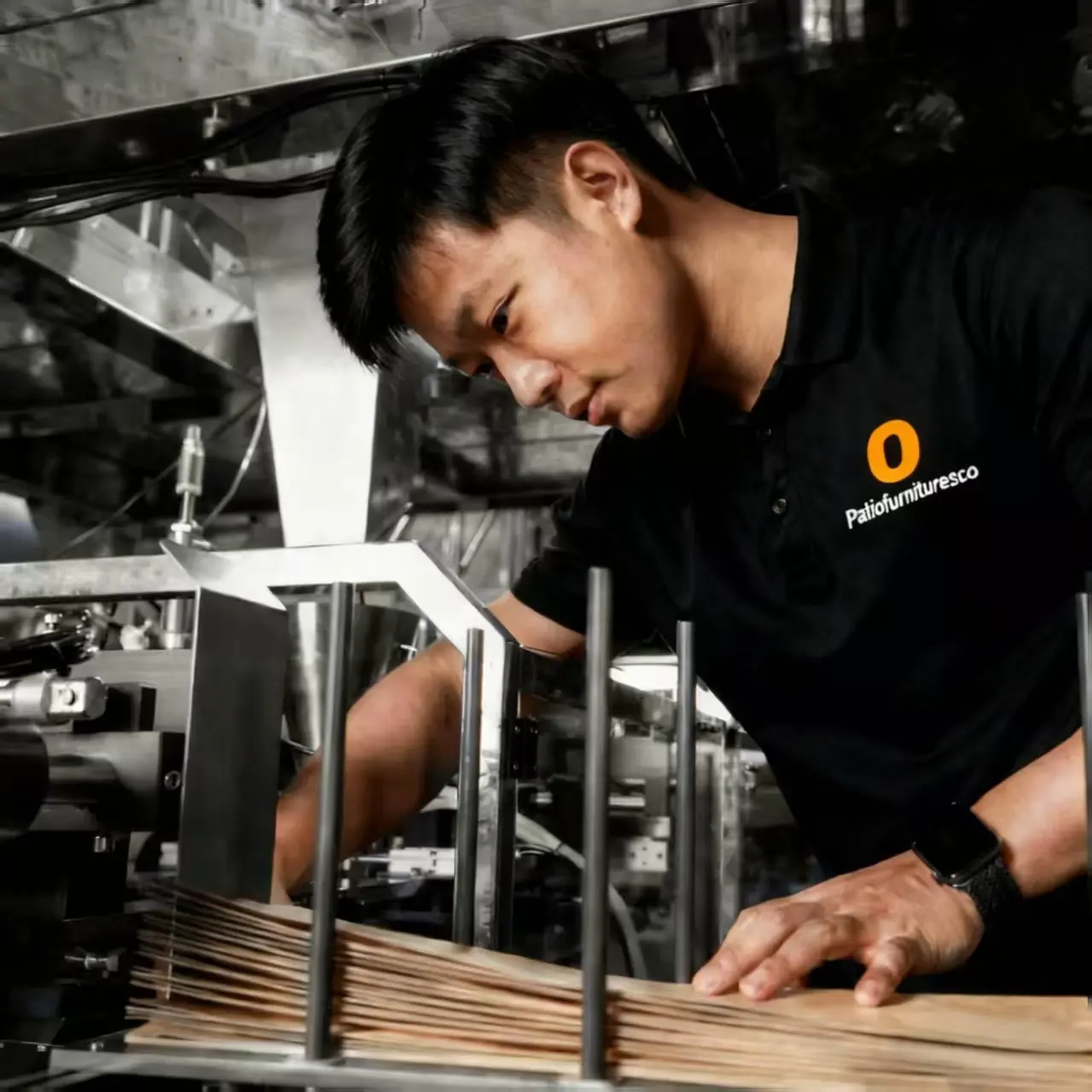
This video shows our technician performing a complete rib replacement. You’ll see how to detach the canopy, remove the old rib, and correctly install the new part.
The Core Steps You’ll See in the Video
The video breaks down the entire process into a few key stages. Paying attention to the order of operations is critical, especially when it comes to releasing the fabric tension before you touch any hardware.
- How to safely relieve canopy tension before removing any hardware.
- The process of unscrewing fasteners from the main hub and runner assembly.
- Proper alignment and installation of the new replacement rib to ensure it opens and closes correctly.
Matching the Repair to Your Frame Material
The technician in the video is working on one of our standard Phosphated Steel frames, the kind used in high-volume models like the PTMU-010. This steel is treated with an acid wash and powder coating to provide basic rust resistance for seasonal use.
If you have an aluminum frame, like on our PTMU-001 model, the steps are nearly identical. The only real difference you’ll feel is the weight—aluminum is lighter and naturally rust-proof, so you don’t have to worry as much about scratching the powder coat finish during the repair.
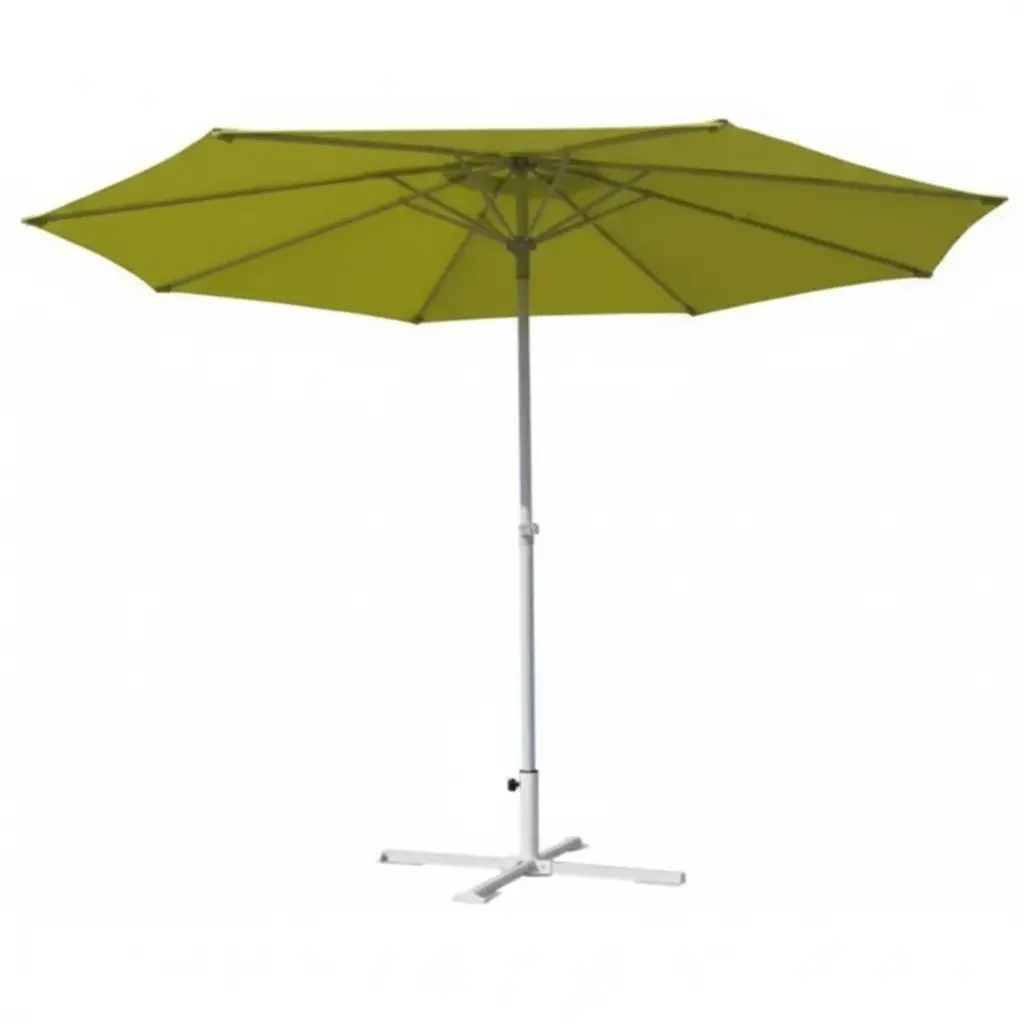
Rivets vs. Bolts: How Does Fastener Choice Impact Repairability?
Bolts allow easy repairs with basic tools. Rivets create a permanent joint that must be drilled out, making field repairs impractical. The choice is a trade-off: easy maintenance versus lower manufacturing cost.
The Core Difference: Removable vs. Permanent Assembly
A bolted joint is straightforward. It uses a nut and screw that you can tighten or loosen with a basic wrench. This design allows anyone to swap out a damaged component, like an umbrella rib, without damaging the frame itself.
A riveted joint is permanent. The rivet is pressed or hammered into place, creating a connection that isn’t meant to come apart. To remove a rivet, you have to drill it out, destroying the fastener in the process. This makes on-site repairs difficult and often impractical.
Fastener Choice in Promotional-Grade Products
For budget-friendly, high-volume umbrellas intended for seasonal use, manufacturing efficiency is the top priority. From a factory perspective, rivets are faster and cheaper to install on an assembly line than bolts.
This choice aligns with the value of promotional-grade products. The goal is to deliver the lowest possible unit cost for a large order, not to build a product for long-term serviceability. The permanent nature of rivets supports this mass-production model, even if it sacrifices repairability for the end user.
Frequently Asked Questions
How do I replace a broken umbrella rib?
To replace a broken rib, start by removing the umbrella’s top cap and canopy to access the frame. Next, unscrew the bottom plastic piece to release the rib’s lower attachment. After removing the damaged part, measure it to ensure you have the correct replacement size. Install the new rib, reattach the components, and then open and close the umbrella a few times to confirm the repair is secure.
What is the difference between riveted and bolted ribs?
The main difference is permanence. Riveted ribs are permanent connections that hold up well against vibration but must be destroyed to be removed for repairs. Bolted ribs are temporary connections that you can easily disassemble for maintenance or replacement, though they might loosen over time.
What tools are required for most umbrella repairs?
For common repairs, you’ll likely need a drill, a hammer, nuts and bolts, and screwdrivers. Replacing a cord usually requires needle-nose pliers. For fixing a wobbly pole, hose clamps can be very effective. Some no-tool solutions, like adhesive repair kits for aluminum ribs, are also available.
Is it possible to fix a bent umbrella pole?
Yes, you can often fix a bent pole, especially if the bend isn’t too severe. Use a wrench or pliers to apply slow, steady pressure to straighten the material. For more difficult bends, a heat gun can make the metal more flexible. Once it’s straight, adding a support sleeve around the repaired area helps prevent it from bending again.
Final Thoughts
Many suppliers over-promise on repairability. Our promotional-grade models use rivets for a reason: to maximize container loading and deliver the lowest unit cost. This transparency protects your margins from the returns that follow when expectations don’t match the price point.
Don’t just read about our construction—verify it. We recommend ordering a sample to evaluate our phosphated steel frame and finish firsthand. Contact our team to discuss custom branding and get a quote based on your container volume needs.



 English
  Spanish
  French
  German
  Portuguese